Mary Wilson, born on March 6, 1944, in Greenville, Mississippi, and raised in the Brewster-Douglass housing projects of Detroit, Michigan, etched her name into music history as a founding member and longest-tenured original member of The Supremes, the most successful female vocal group of the 1960s. Alongside childhood friends Diana Ross and Florence Ballard, Wilson helped transform the trio from a local girl group into a global phenomenon for Motown Records, delivering an unprecedented string of twelve number-one singles on the Billboard Hot 100, including classics like "Where Did Our Love Go," "Baby Love," "Stop! In the Name of Love," and "You Can't Hurry Love." While Ross often commanded the spotlight as lead singer, Wilson's rich harmonies and steady presence provided the foundation that made the group's signature sound so distinctive, and her contributions were essential to the group's crossover appeal that broke racial barriers in mainstream American pop culture.
Wilson's journey with the group that would become The Supremes began in 1959 when she and Ballard recruited a young Ross to form a quartet called the Primettes, which later evolved into a trio. After years of perseverance and rejection, the group finally broke through in 1964, and their success on the charts was matched by their appearances on variety shows like The Ed Sullivan Show, where they became fixtures and helped define the Motown aesthetic. Following Ballard's departure in 1967 and Ross's exit in 1970, Wilson took on lead vocal duties, guiding the group through a new era as they continued to record and perform throughout the 1970s. She remained with the act until 1977, when the group officially disbanded, marking the end of an era but the beginning of Wilson's multifaceted career as a solo artist, author, and advocate.
In her solo career, Wilson released the self-titled album "Mary Wilson" in 1979, which included the disco-flavored single "Red Hot," and she continued to perform internationally, captivating audiences with her powerful voice and glamorous stage presence. Beyond music, Wilson became a respected author, publishing her candid and bestselling memoir "Dreamgirl: My Life as a Supreme" in 1986, which offered an insider's perspective on the group's triumphs and struggles, followed by "Supreme Faith: Someday We'll Be Together" in 1990. She also became a passionate advocate for artists' rights, championing fair compensation and royalties for legacy musicians, and she was a prominent figure in the fight to preserve Motown's history. Her dedication to her craft and her peers earned her induction into the Rock and Roll Hall of Fame in 1988 alongside her fellow Supremes, cementing her legacy as a trailblazing icon.
In her later years, Wilson remained an active performer and public speaker, touring the world and sharing stories of her remarkable life with fans. She competed on the British reality show Dancing on Ice in 2013, demonstrating her enduring vitality and willingness to embrace new challenges. Wilson also devoted considerable energy to philanthropic efforts, particularly those supporting children's charities and arts education. She passed away on February 8, 2021, at her home in Henderson, Nevada, at the age of 76, leaving behind a profound legacy that extended far beyond her chart-topping hits. Mary Wilson's influence as a pioneering Black woman in the music industry, her resilience in the face of personal and professional adversity, and her unwavering commitment to her art have secured her place as an enduring symbol of the Motown sound and a true American music legend.
⭐
Similar Celebrities


📷
Recent Photos
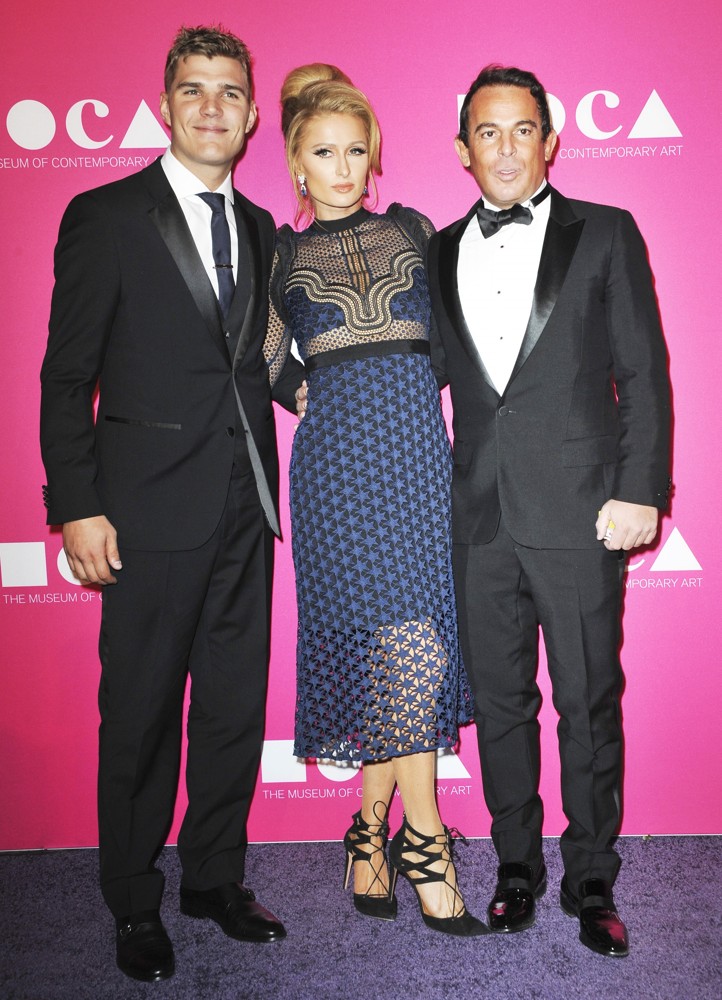
Chris Zylka
MOCA Gala 2017
Apr 29, 2017
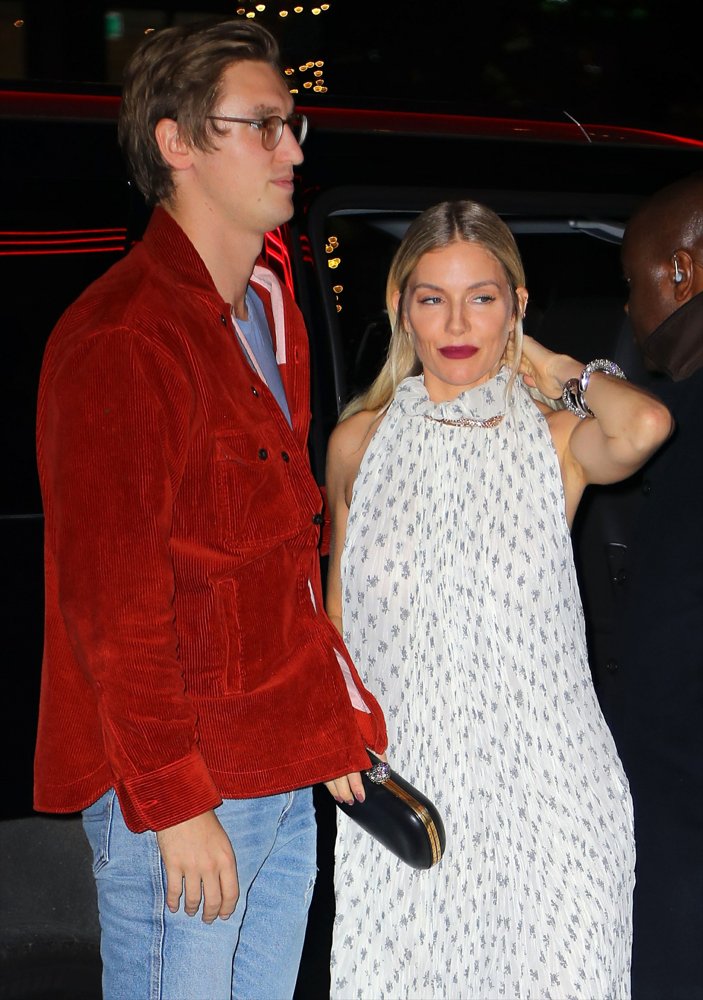
Lucas Zwirner
21 Bridges Screening
Nov 19, 2019
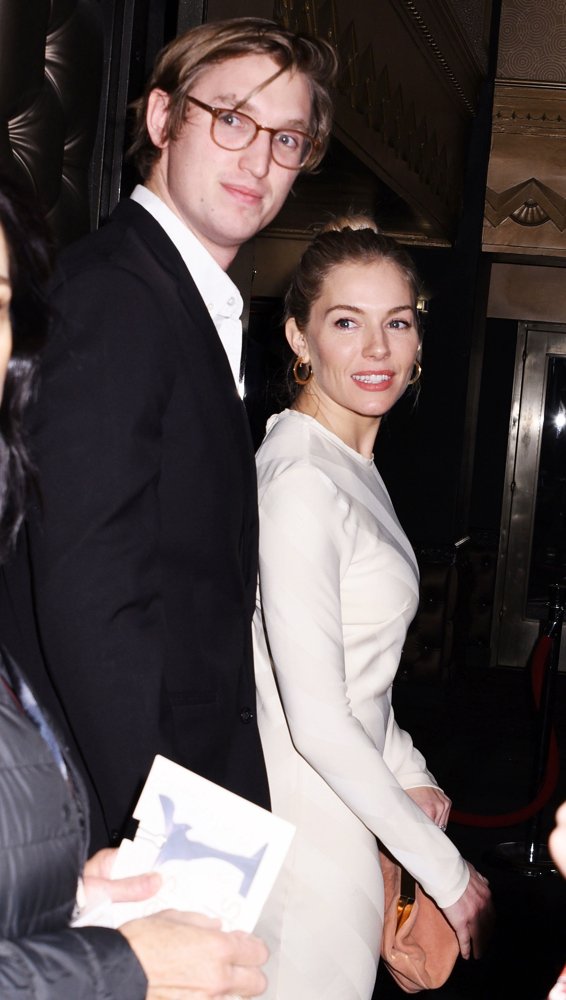
Lucas Zwirner
The 72nd Annual Writers Guild Awards
Feb 1, 2020

Andrey Zvyagintsev
2018 Film Independent Spirit Awards - Arrivals
Mar 3, 2018

Zuri Tibby
Victoria's Secret Fashion Show Viewing Party - Red Carpet Arrivals
Dec 2, 2018
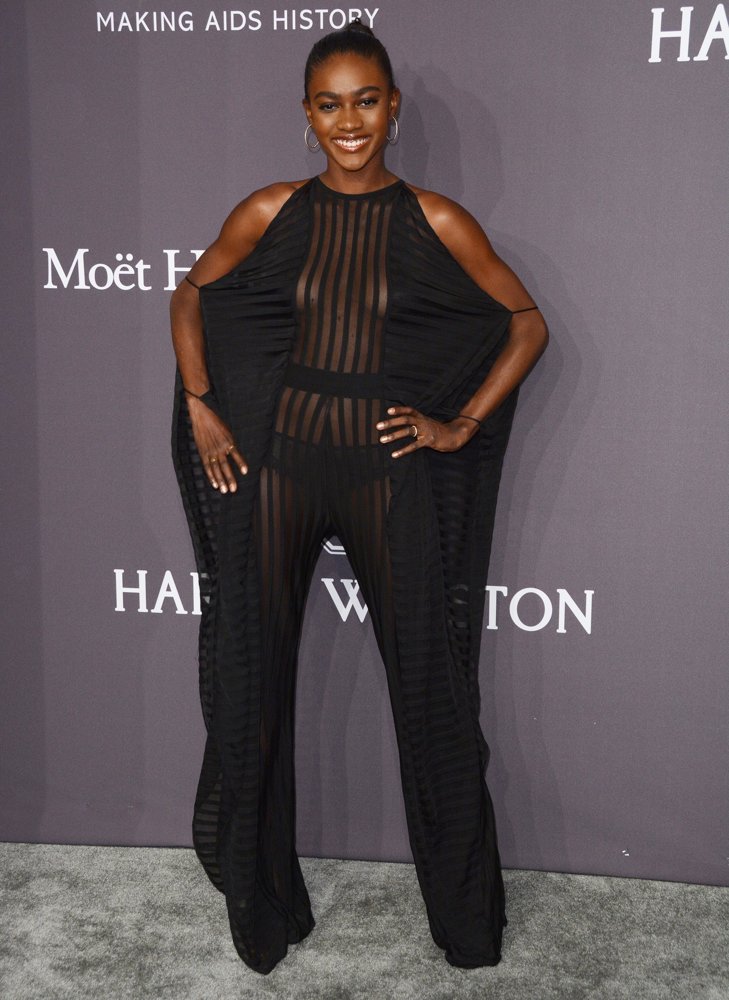
Zuri Tibby
amfAR New York 2017 Gala - Red Carpet Arrivals
Feb 8, 2017





⭐Featured Celebrities