Margaret Hilda Thatcher, Baroness Thatcher, remains one of the most consequential and polarising figures in modern British history. Born on 13 October 1925 in Grantham, Lincolnshire, to a grocer and a dressmaker, she rose from modest provincial beginnings to become the first woman to serve as Prime Minister of the United Kingdom, a position she held from 1979 to 1990. Her tenure, defined by a radical free-market philosophy that came to be known as Thatcherism, fundamentally reshaped the British economy and society, earning her the enduring moniker of the "Iron Lady" from a Soviet journalist, a nickname that captured her uncompromising leadership style and ideological resolve.
Thatcher's journey to the highest office was marked by relentless determination and intellectual ambition. She studied chemistry at Somerville College, Oxford, and worked briefly as a research chemist before retraining as a barrister. Her political career began in earnest when she was elected Member of Parliament for Finchley in 1959. She gained ministerial experience as Secretary of State for Education and Science under Edward Heath in the early 1970s, a role that brought her national attention when she earned the unfortunate nickname "Milk Snatcher" for ending free school milk for older children. In 1975, in a stunning political upset, she defeated Heath to become Leader of the Conservative Party, making her the first woman to lead a major British political party.
Upon winning the 1979 general election, Thatcher inherited a nation beset by high inflation, industrial strife, and the lingering trauma of the Winter of Discontent. Her response was a sweeping programme of economic reform that prioritised individual liberty, privatisation of state-owned industries, and a dramatic curtailment of trade union power. These policies, initially deeply unpopular as unemployment soared, were given a decisive boost by victory in the 1982 Falklands War, which restored her political fortunes and paved the way for a landslide re-election in 1983. She survived an assassination attempt by the Provisional IRA during the 1984 Brighton hotel bombing, and later that same year achieved a defining victory over the National Union of Mineworkers in the bitter 1984-85 miners' strike. Her third term, secured by another landslide in 1987, saw the deregulation of London's financial markets in the "Big Bang," which fueled an economic boom but was increasingly overshadowed by her deeply unpopular Community Charge, or "poll tax," and her growing Euroscepticism, which alienated many within her own cabinet. Facing a leadership challenge, she resigned in November 1990 and was succeeded by John Major.
After leaving Downing Street, Thatcher retired from the House of Commons in 1992 and was granted a life peerage, taking her seat in the House of Lords as Baroness Thatcher of Kesteven. She continued to be a vocal and influential figure on the international stage, particularly through her writings and speeches, until declining health forced her into quieter retirement. She died of a stroke at the Ritz Hotel in London on 8 April 2013 at the age of 87. Her death prompted a deeply divided national reaction, reflecting her enduring status as a transformative and contentious figure. While her legacy remains a subject of intense debate, her role in realigning British politics toward neoliberal policies and her status as a trailblazer for women in leadership ensure her place as a towering, if controversial, figure of the 20th century.
⭐
Similar Celebrities


📷
Recent Photos
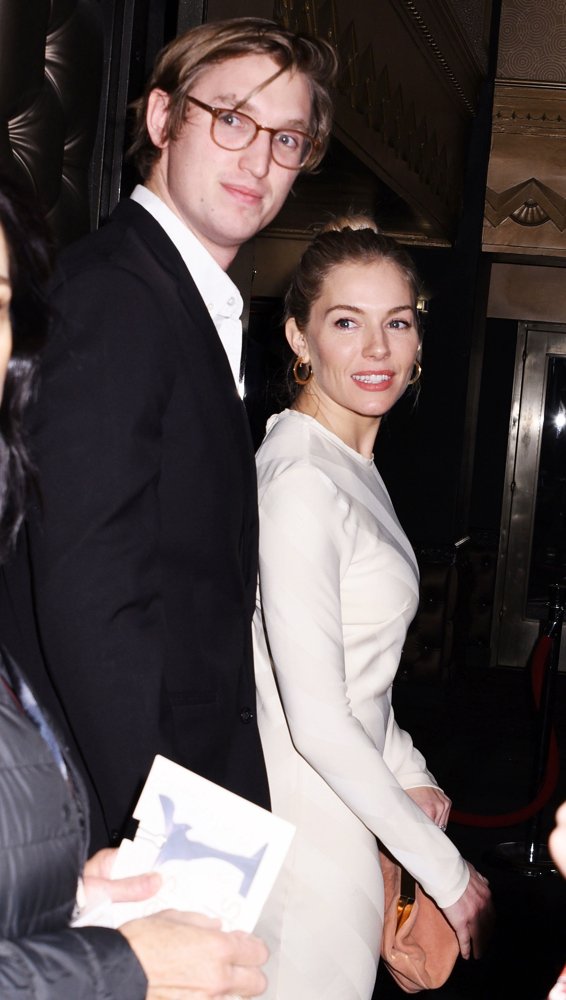
Lucas Zwirner
The 72nd Annual Writers Guild Awards
Feb 1, 2020
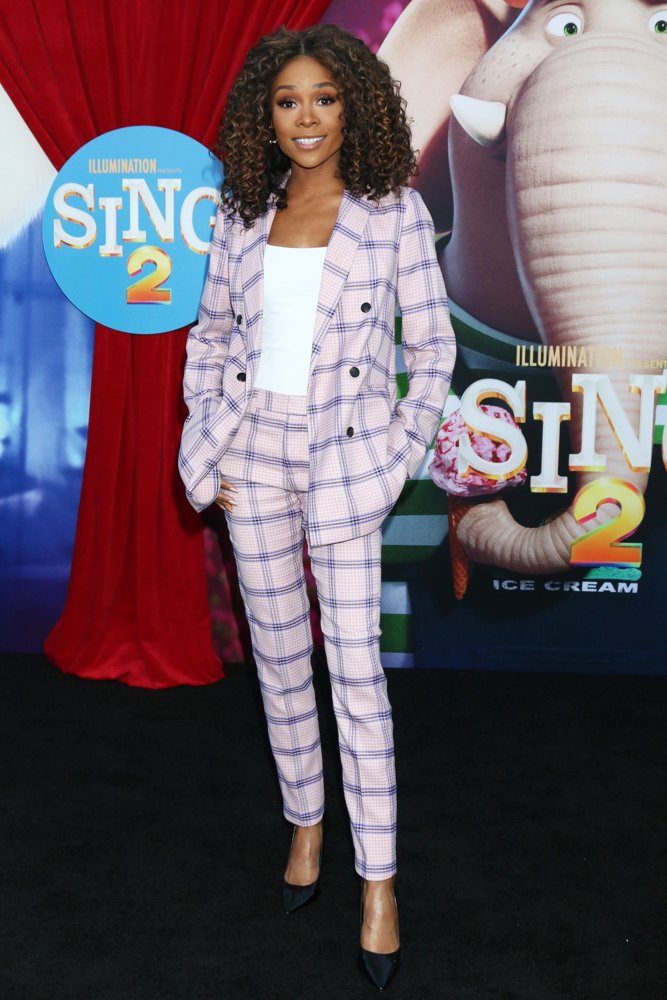
Zuri Hall
Sing 2 Premiere - Arrivals
Dec 12, 2021
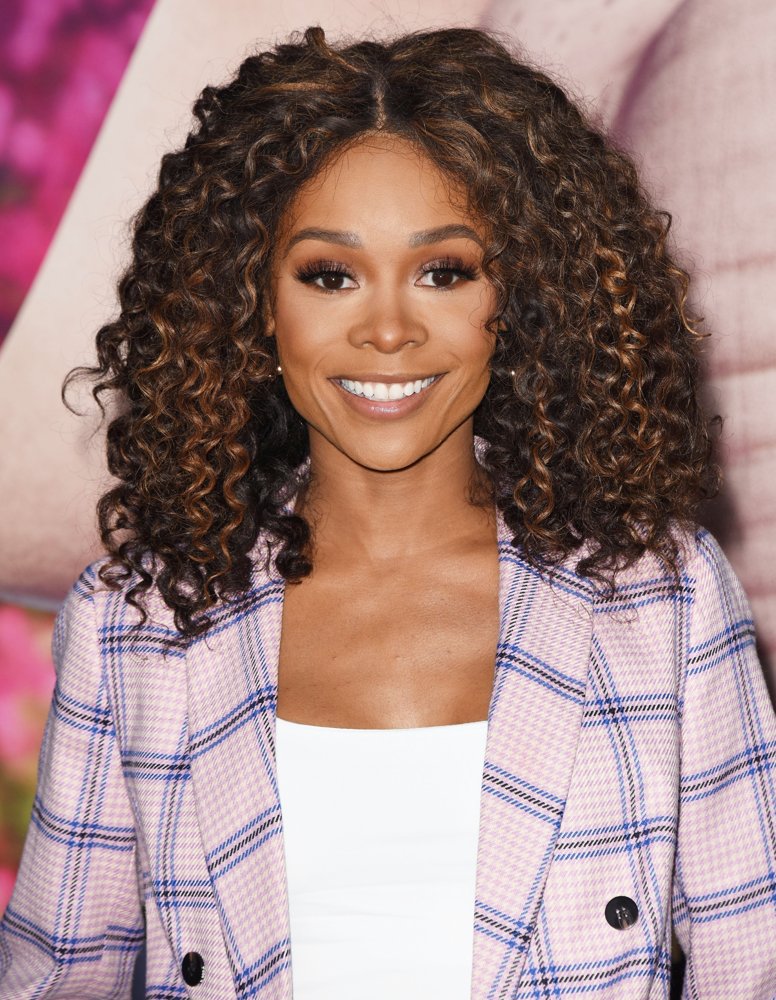
Zuri Hall
Sing 2 Premiere - Arrivals
Dec 12, 2021
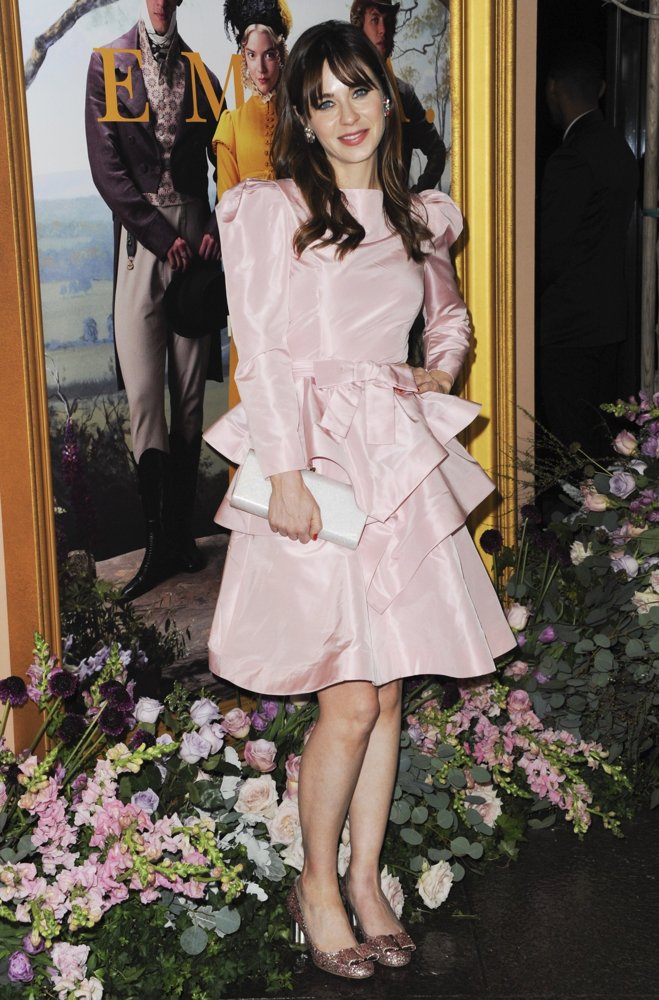
Zooey Deschanel
Emma Premiere
Feb 18, 2020
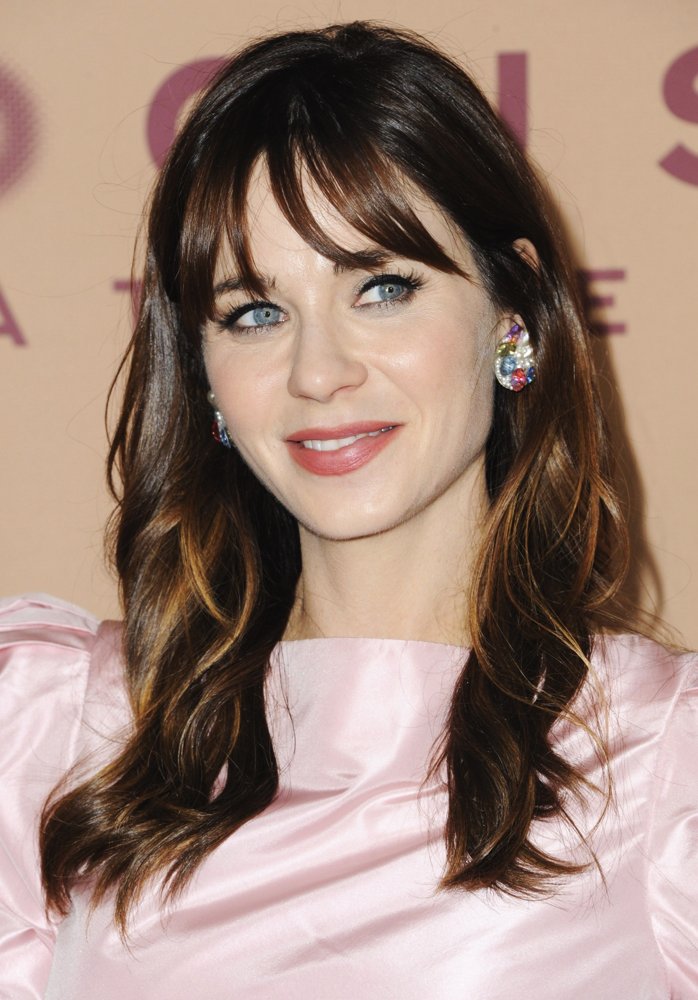
Zooey Deschanel
Emma Premiere
Feb 18, 2020
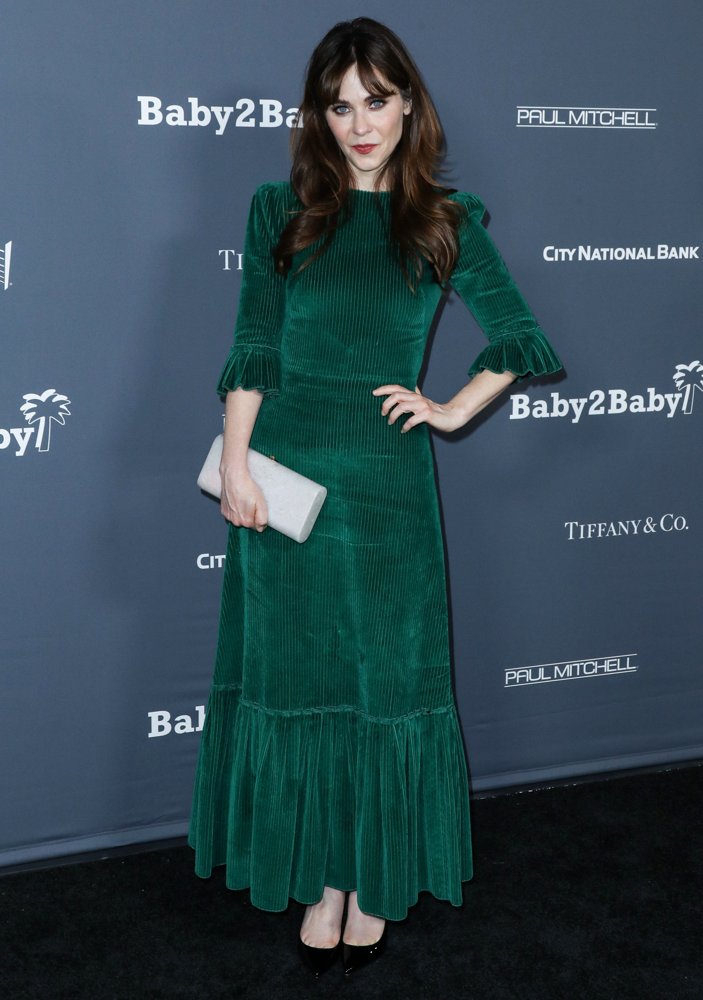
Zooey Deschanel
Baby2Baby 10-Year Gala 2021
Nov 13, 2021



⭐Featured Celebrities