Malcolm X, born Malcolm Little on May 19, 1925, in Omaha, Nebraska, was a revolutionary African American activist, Muslim minister, and one of the most influential and controversial figures of the civil rights movement. His journey from a troubled youth to a powerful orator and leader, and finally to a global symbol of racial justice, remains a profound and complex narrative in American history. He is remembered for his unflinching advocacy for Black empowerment, his sharp critiques of systemic racism, and his ultimate evolution toward a more inclusive human rights philosophy before his assassination in 1965.
Malcolm’s early life was marked by tragedy and instability. After the death of his father and the subsequent hospitalization of his mother, he spent his adolescence in a series of foster homes and with relatives. In 1946, he was sentenced to eight to ten years in prison for larceny and burglary. It was during this incarceration that he discovered the Nation of Islam, a new religious movement that would dramatically alter the course of his life. Upon joining, he adopted the name Malcolm X to symbolize his lost African ancestral surname, discarding what he called "the white slavemaster name of 'Little'." After his parole in 1952, he rose rapidly through the ranks to become the organization's most prominent national spokesperson, a position he held for twelve years.
As the public face of the Nation of Islam, Malcolm X became known for his fiery rhetoric, advocating for Black empowerment, self-defense, and the complete separation of Black and white Americans. He openly criticized Martin Luther King Jr. and the mainstream civil rights movement for their emphasis on non-violence and racial integration, arguing that these approaches were insufficient in the face of systemic oppression. During this period, he also highlighted the Nation's social welfare programs, such as its free drug rehabilitation initiative, while his activities drew constant surveillance from the Federal Bureau of Investigation (FBI). His powerful presence and uncompromising message made him a celebrated figure within the African American community and a feared one among many white Americans.
The early 1960s brought a period of profound change for Malcolm X. He grew disillusioned with the Nation of Islam and its leader, Elijah Muhammad, eventually embracing Sunni Islam. A pivotal moment came with his completion of the Hajj to Mecca in 1964, after which he became known as el-Hajj Malik el-Shabazz. This spiritual journey transformed his worldview, leading him to renounce racial separatism and embrace the possibilities of a global brotherhood. He began to align himself with the mainstream civil rights movement and traveled extensively across Africa, founding the Muslim Mosque, Inc. (MMI) and the Pan-African Organization of Afro-American Unity (OAAU). His evolving philosophy and break from the Nation of Islam intensified his conflict with the organization, and he repeatedly received death threats throughout 1964.
On February 21, 1965, Malcolm X was assassinated while speaking at the Audubon Ballroom in New York City. Three members of the Nation of Islam were convicted of the murder and given indeterminate life sentences, though two of these convictions were vacated in 2021, with speculation about the involvement of other figures or law enforcement agencies persisting for decades. His legacy, however, has only grown. His autobiography, The Autobiography of Malcolm X, co-authored with Alex Haley and published posthumously in 1965, became a seminal work. He is commemorated with Malcolm X Day in several cities, and hundreds of schools and streets across the United States have been renamed in his honor. The Audubon Ballroom was partially redeveloped into the Malcolm X and Dr. Betty Shabazz Memorial and Educational Center, and his thought remains a foundational influence on the Black power movement and contemporary discussions on racial justice.
⭐
Similar Celebrities

📷
Recent Photos
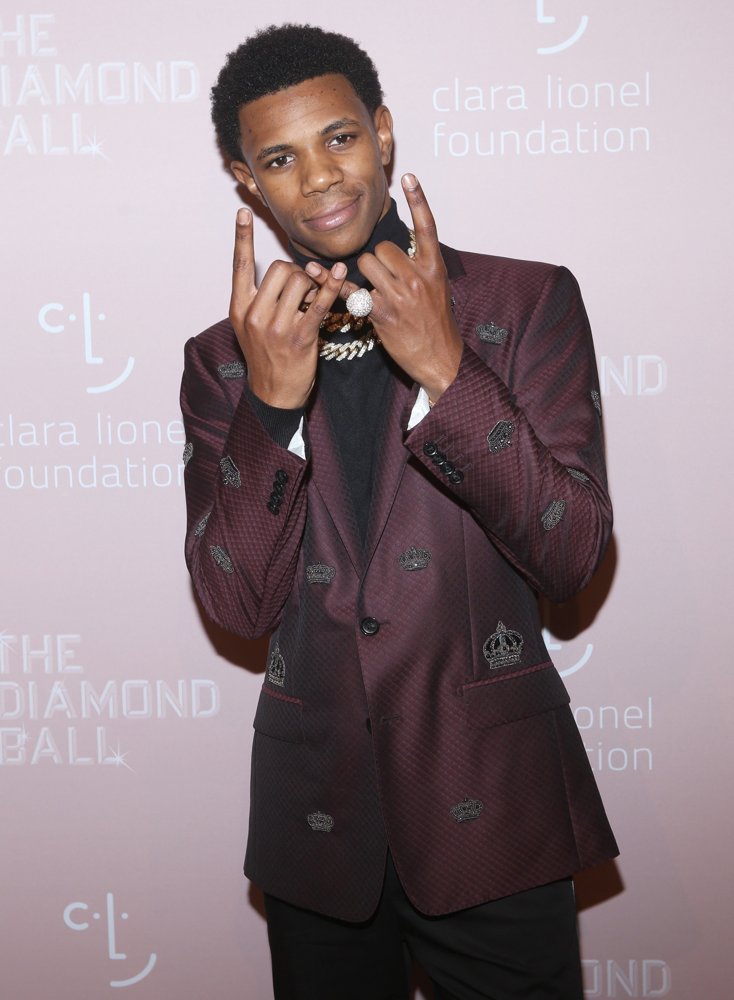
A Boogie Wit Da Hoodie
Rihanna's 4th Annual Diamond Ball
Sep 13, 2018
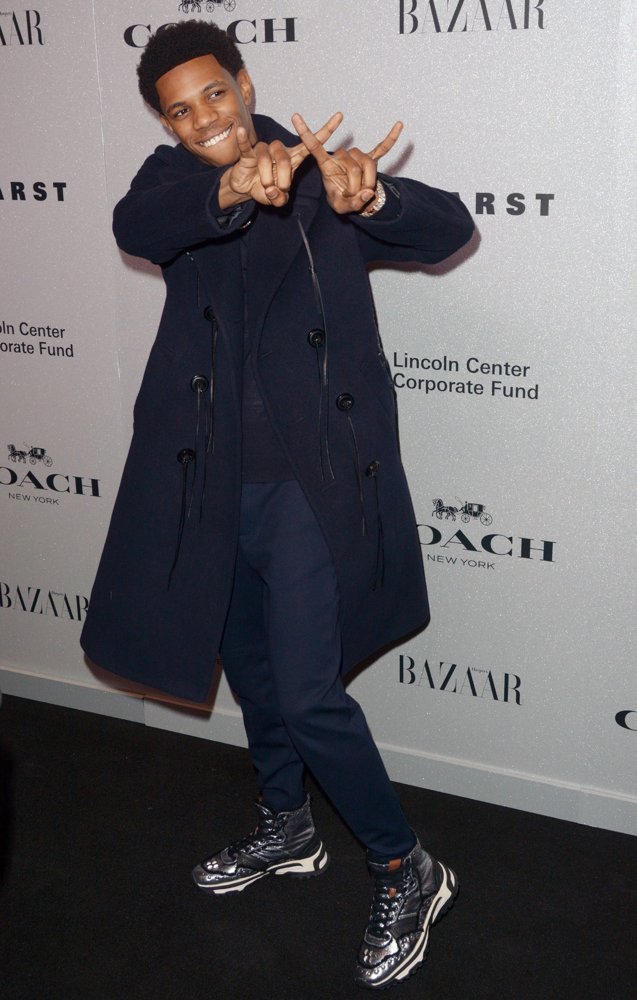
A Boogie Wit Da Hoodie
Lincoln Center Fashion Gala - An Evening Honoring Coach
Nov 29, 2018
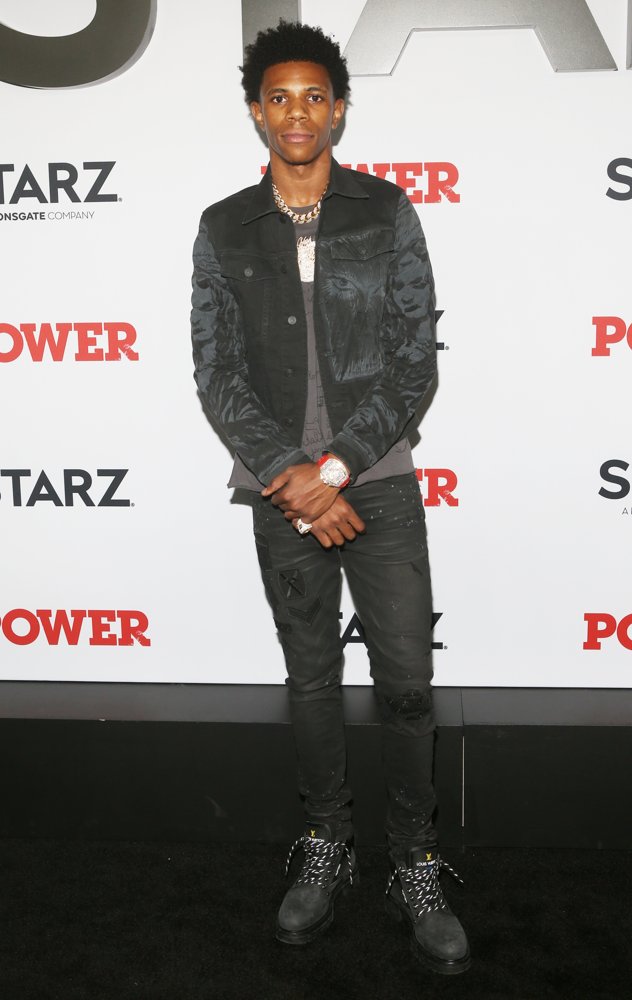
A Boogie Wit Da Hoodie
STARZ Red Carpet Event for Power Final Season World Premiere
Aug 20, 2019

A Fine Frenzy
World Premiere of Fantastic Beasts: The Crimes of Grindelwald - Arrivals
Nov 8, 2018

A Fine Frenzy
The UK Premiere of Fantastic Beasts: The Crimes of Grindelwald - Arrivals
Nov 13, 2018
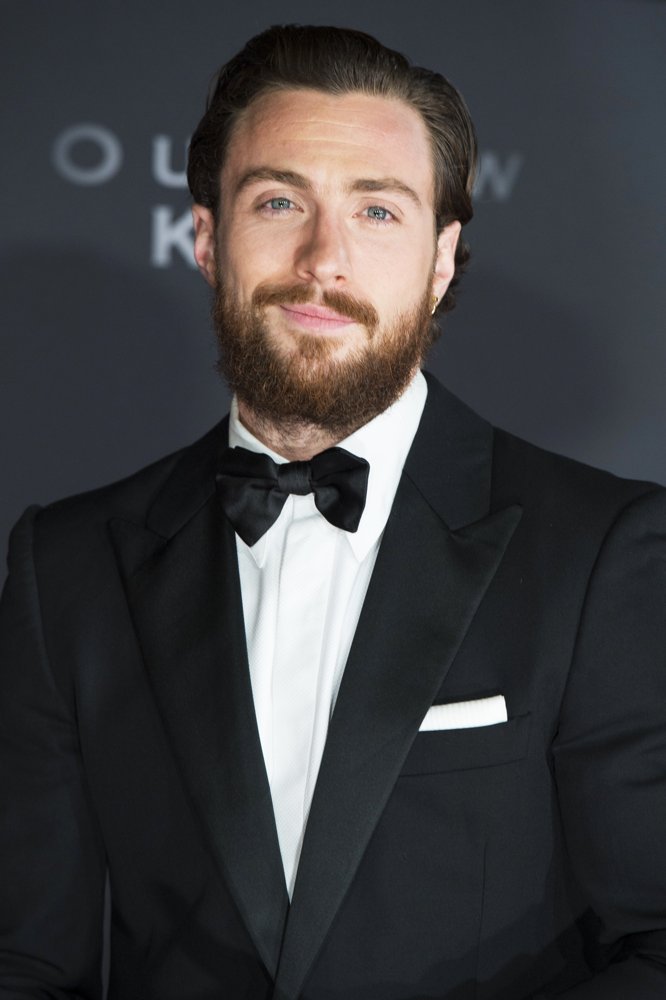
Aaron Johnson
Scottish Outlaw King Premiere
Oct 19, 2018




⭐Featured Celebrities