Luigi Nicholas Mangione, born on May 6, 1998, in Maryland, is a figure whose name became inextricably linked with one of the most shocking crimes in recent American history. A former software engineer from a wealthy and prominent family, Mangione’s life took a dramatic turn in December 2024 when he was arrested and later pleaded guilty to the killing of Brian Thompson, the CEO of UnitedHealthcare. His case sparked a national conversation about class, healthcare, and public rage, transforming him into a polarizing figure whose story continues to resonate deeply across the country.
Raised in an affluent Maryland suburb, Mangione came from a family with deep roots in the region’s business and civic life. He attended the University of Pennsylvania, where he studied computer science and graduated with a degree that positioned him for a promising career in the tech industry. After college, he worked as a software engineer, living a seemingly conventional life while quietly grappling with severe back pain. According to the accounts that emerged during his trial, this chronic pain became a defining force in his life, leading him to develop a profound disillusionment with the American health insurance system, which he believed was fundamentally broken and indifferent to patient suffering.
On December 4, 2024, Mangione allegedly stalked and fatally shot Brian Thompson in Manhattan, New York City, an act that triggered a massive nationwide manhunt. He was captured five days later in Altoona, Pennsylvania, after being recognized by a witness. The subsequent legal proceedings were extraordinary in their scope and intensity. Mangione was indicted on eleven New York state charges and four federal charges, including first-degree murder in furtherance of terrorism, criminal possession of a weapon, and stalking. The case drew intense media scrutiny, with prosecutors initially seeking the death penalty in the federal case, though those capital charges were later dismissed in January 2026, following the dismissal of his two state terror-related murder charges in September 2025. In August 2026, Mangione pleaded guilty to the federal stalking charges and admitted to fatally shooting Thompson, bringing a measure of legal resolution to a case that had captivated the nation.
Beyond the courtroom, Mangione became a lightning rod for public opinion, embodying a wider societal anger at the healthcare industry. According to a YouGov poll conducted shortly after his arrest, Americans on average viewed him unfavorably, yet a notable generational divide emerged, with those under 30 more likely to view him favorably. This sympathy manifested in a wave of international support, including graffiti, social media campaigns, and appearances at local court hearings, where he was transformed into a folk hero for some critics of the U.S. health insurance industry and its claim denial practices. His case has sparked heated debates about vigilantism, the ethics of violence as protest, and the deep-seated frustrations many Americans feel toward a system they perceive as prioritizing profit over people. As of now, Luigi Mangione remains a controversial and divisive figure, his name forever etched into the complex narrative of modern American discontent.
⭐
Similar Celebrities

📷
Recent Photos

Abbie Quinnen
UK Screening of The Hitman's Wife's Bodyguard
Jun 14, 2021

Abby Lee Miller
Abby Lee Miller Seen for Oscar's Night
Apr 25, 2021

Abigail Breslin
2021 Environmental Media Association Awards
Oct 16, 2021

Abigail Breslin
The Academy Museum of Motion Pictures Opening Gala - Arrivals
Sep 25, 2021

Abigail Breslin
The Academy Museum of Motion Pictures Opening Gala - Arrivals
Sep 25, 2021
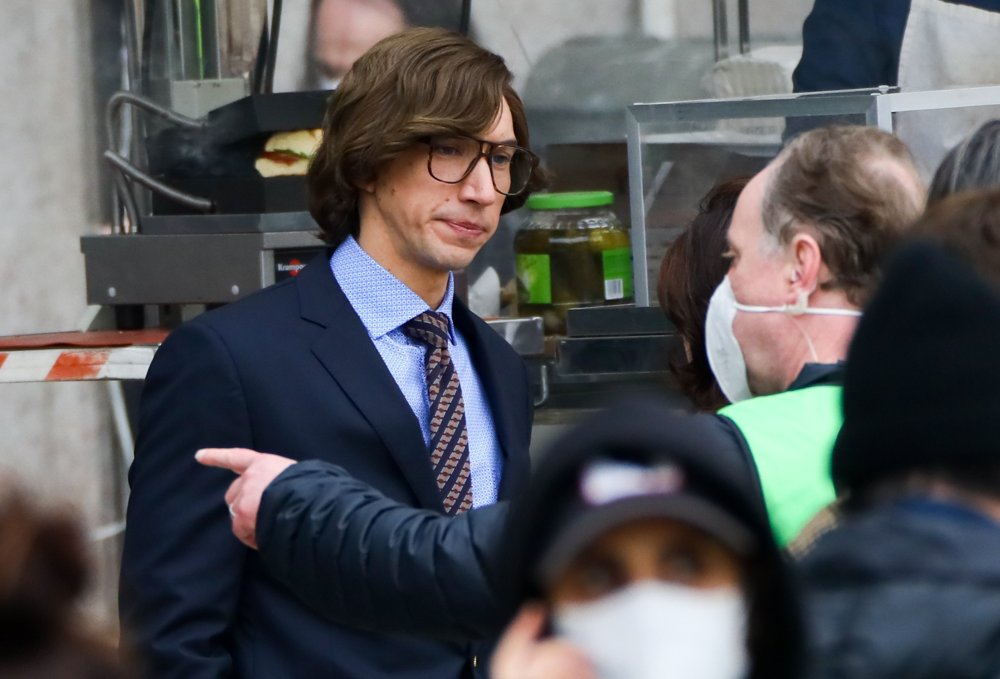
Adam Driver
House of Gucci Shooting in Milan
Mar 11, 2021




⭐Featured Celebrities