Joakim Simon Noah, born on February 25, 1985, in New York City, carved out a distinctive and fiercely competitive legacy in professional basketball, remembered as much for his unbridled passion as for his defensive prowess. The son of French tennis star Yannick Noah and Swedish model Cécilia Rodhe, he was raised in an international and athletic household, spending part of his childhood in Paris before returning to the United States. This multicultural upbringing shaped a worldly perspective that would later define his charismatic, outspoken public persona. Standing as a towering figure on the court, Noah’s journey to NBA stardom was rooted in an unconventional path that began not with basketball, but with soccer and tennis, before he fully committed to the hardwood during his teenage years.
Noah’s collegiate career at the University of Florida transformed him into a national name. As a key member of the Florida Gators, he formed a formidable frontcourt alongside Al Horford and Corey Brewer, anchoring a team that achieved back-to-back NCAA championships in 2006 and 2007. His relentless energy, shot-blocking instincts, and emotional leadership made him the heart of the Gators’ historic run, earning him the NCAA Final Four Most Outstanding Player award in 2006. That success catapulted him into the 2007 NBA draft, where the Chicago Bulls selected him with the ninth overall pick, marking the beginning of a nine-year tenure that would define his professional prime.
In Chicago, Noah evolved from a raw, energetic rookie into one of the league’s premier big men. His breakout seasons came in the early 2010s, when he became the emotional engine of a Bulls squad known for its gritty, defensive identity. During the 2013-14 campaign, he reached the pinnacle of his career, earning the NBA Defensive Player of the Year award, a selection to the All-NBA First Team, and his second consecutive All-Star appearance. That season, he averaged 12.6 points, 11.3 rebounds, and 5.4 assists per game, showcasing a rare versatility that allowed him to orchestrate the offense from the post while anchoring the defense with his relentless rim protection. His connection with the Chicago fanbase was legendary, with his passionate celebrations and vocal leadership making him a beloved figure at the United Center.
After his peak in Chicago, Noah’s career took on a nomadic quality, as injuries began to take their toll. He signed with the New York Knicks in 2016, a homecoming of sorts given his New York roots, but his tenure was marred by a suspension for violating the NBA’s anti-drug policy and a series of physical setbacks. He later had brief stints with the Memphis Grizzlies and the Los Angeles Clippers before officially retiring from professional play in 2021. Despite the decline in his later years, his impact on the game remains significant, particularly his role in popularizing the modern center’s ability to facilitate offense and defend multiple positions. Beyond the NBA, Noah also represented the France national team, honoring his father’s heritage, though he never competed in the Olympics due to injury and scheduling conflicts.
Since retiring, Noah has transitioned into a new chapter as an entrepreneur and philanthropist, channeling his competitive drive into ventures outside the arena. He has been involved in real estate development and has spoken openly about his passion for art and design, reflecting the creative influences of his upbringing. His post-basketball life has also included forays into media and commentary, where his unfiltered, insightful takes on the modern game have kept him in the public eye. Joakim Noah’s legacy is not merely one of statistical achievement but of an unyielding spirit and a rare ability to galvanize teammates and crowds alike, ensuring his place as one of the most memorable and impactful players of his generation.
⭐
Similar Celebrities

📷
Recent Photos
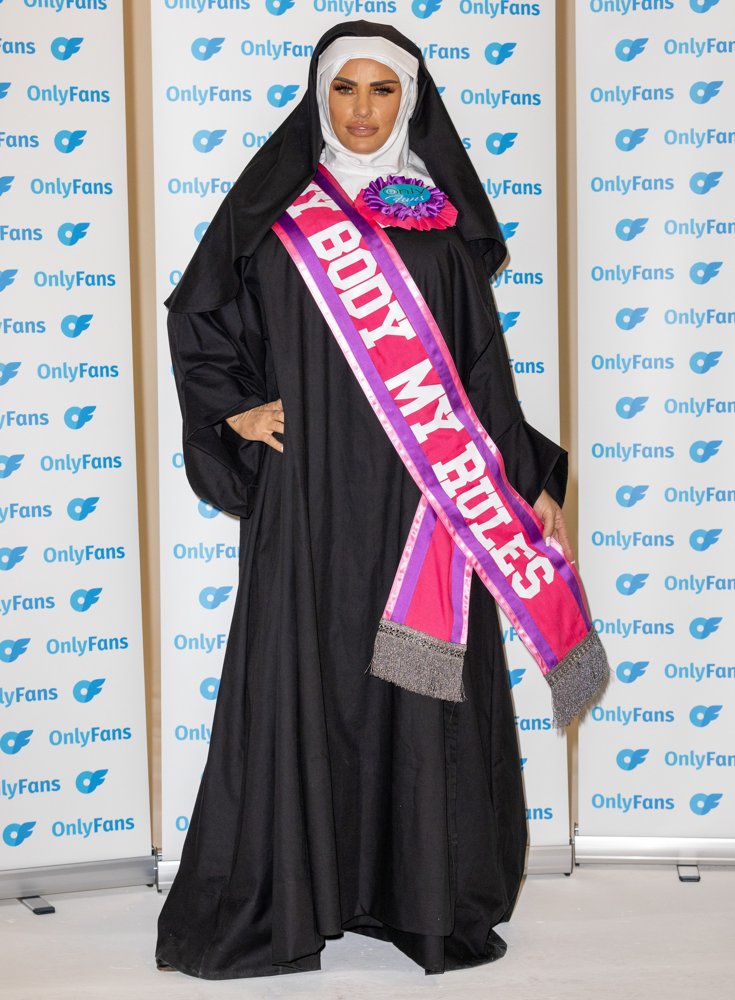
Katie Price
Katie Price Launches Only Fans Channel - Photocall
Jan 26, 2022
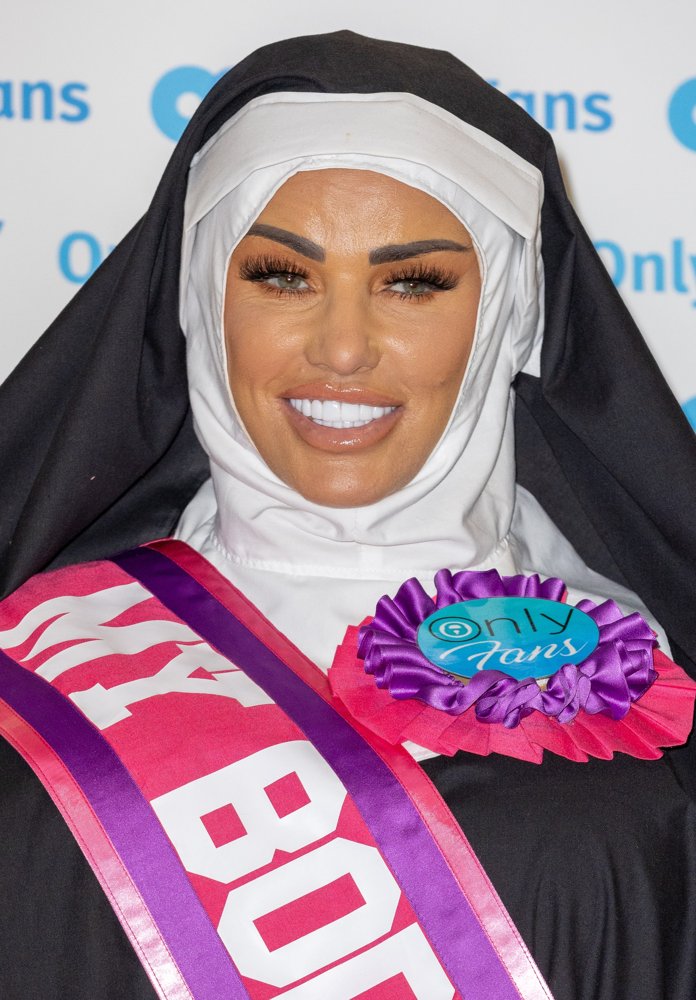
Katie Price
Katie Price Launches Only Fans Channel - Photocall
Jan 26, 2022
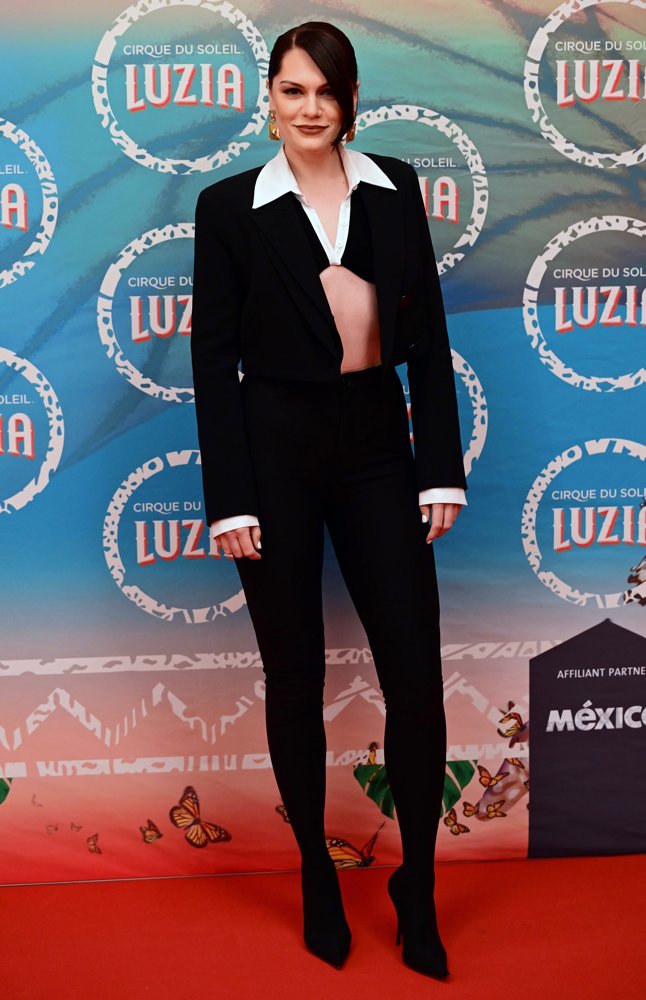
Jessie J
The Premiere of Cirque Du Soleil Luzia
Jan 13, 2022
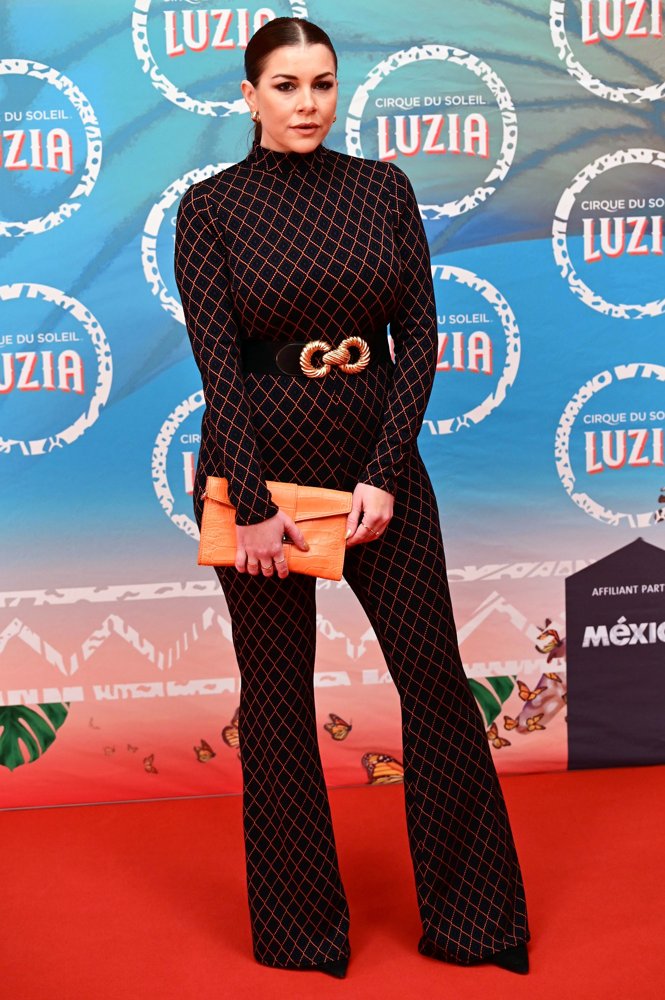
Imogen Thomas
The Premiere of Cirque Du Soleil Luzia
Jan 13, 2022
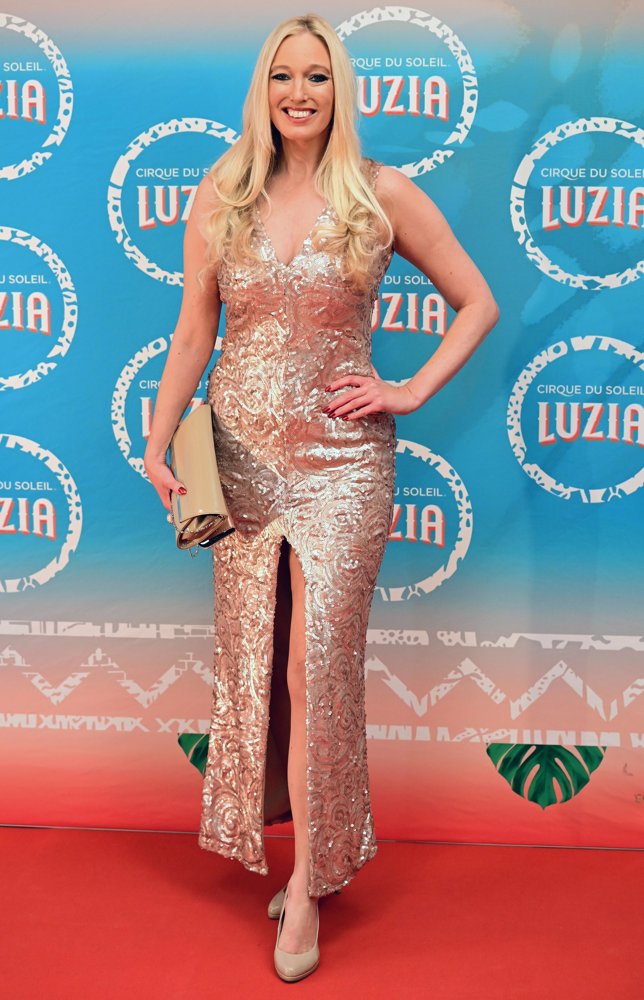
Hayley Palmer
The Premiere of Cirque Du Soleil Luzia
Jan 13, 2022

Phoenix Chi Gulzar
The Premiere of Cirque Du Soleil Luzia
Jan 13, 2022



⭐Featured Celebrities