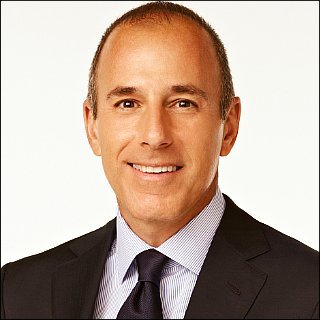
Harvey Weinstein is an American former film producer and convicted sex offender whose rise and catastrophic fall reshaped the entertainment industry and ignited a global reckoning with sexual misconduct. Born on March 19, 1952, in Flushing, Queens, New York, Weinstein grew up in a working-class Jewish household alongside his younger brother, Bob Weinstein. His early passion for music and film led him to promote rock concerts in Buffalo, New York, during the 1970s, where he and Bob began organizing small-scale film screenings. In 1979, the brothers co-founded the independent film distribution company Miramax, named after their parents Miriam and Max, which would become a dominant force in American cinema.
Under Weinstein's leadership, Miramax revolutionized the independent film landscape by acquiring and producing critically acclaimed works that challenged studio conventions. The company's breakout moment came with Sex, Lies, and Videotape in 1989, which won the Palme d'Or at Cannes and grossed over $25 million against a modest budget. This success established a template for Weinstein's aggressive acquisition strategy and his uncanny ability to identify award-winning material. Miramax went on to release a remarkable string of influential films, including The Crying Game, Pulp Fiction, Heavenly Creatures, Flirting with Disaster, and Shakespeare in Love, the latter of which earned Weinstein an Academy Award for Best Picture as a producer in 1999. His theatrical ventures were equally successful, with Weinstein collecting seven Tony Awards for productions such as The Producers, Billy Elliot the Musical, and August: Osage County. After selling Miramax to Disney in 1993 and departing in 2005, Weinstein and his brother founded the Weinstein Company, where he served as co-chairman until his dramatic ouster in 2017.
Weinstein's professional achievements were long shadowed by allegations of predatory behavior that dated back to the late 1970s. In October 2017, investigative reporting by The New York Times and The New Yorker exposed decades of sexual harassment and assault accusations, prompting his immediate dismissal from the Weinstein Company and expulsion from the Academy of Motion Picture Arts and Sciences. More than 80 women ultimately came forward with allegations, and the resulting social media campaign known as #MeToo spread globally, inspiring survivors across industries to share their stories and leading to what became widely known as the "Weinstein effect." The legal consequences were severe: Weinstein was arrested in New York in May 2018 and convicted in February 2020 on two felony counts, receiving a 23-year prison sentence. He was later extradited to Los Angeles, where a December 2022 trial resulted in convictions on three of seven charges and a 16-year sentence to be served consecutively. In April 2024, the New York Court of Appeals overturned his New York rape convictions due to procedural errors, though he remained incarcerated on the California verdict. A retrial in New York began in April 2025, producing a mixed verdict in June of that year, while a separate rape case ended in mistrial. In June 2026, Manhattan District Attorney Alvin Bragg announced that Weinstein would not face an additional retrial for the alleged rape of Jessica Mann, effectively concluding his New York legal saga. Weinstein remains a deeply polarizing figure, remembered both for his transformative contributions to independent cinema and for the systemic abuse of power that defined his downfall.
⭐
Similar Celebrities

📷
Recent Photos
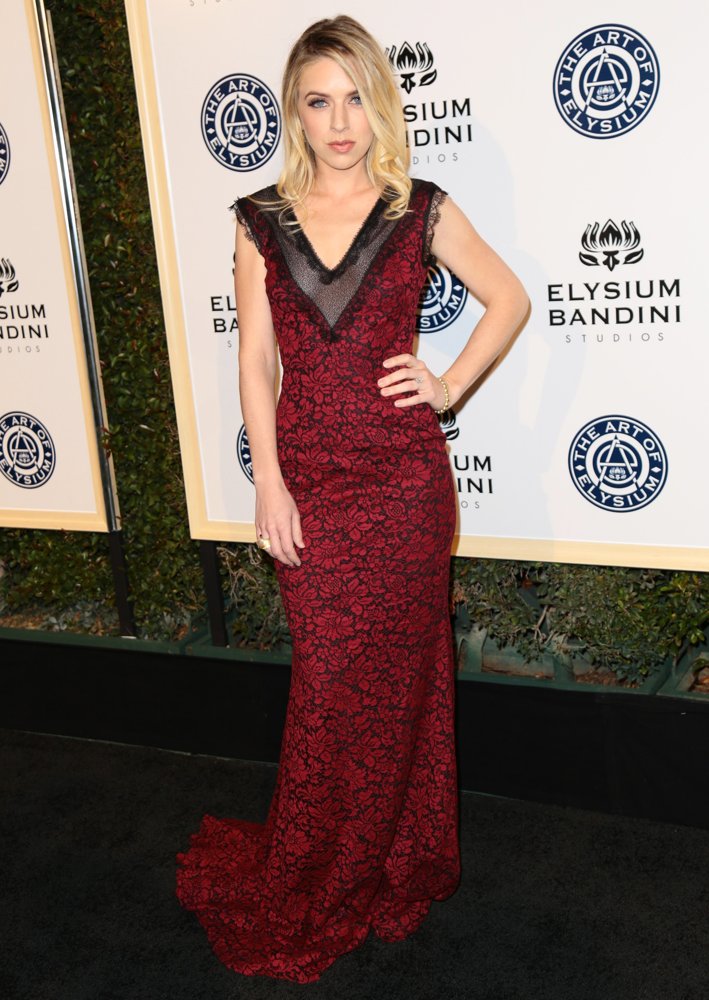
ZZ Ward
The Art of Elysium Presents Stevie Wonder's HEAVEN - Celebrating The 10th Anniversary
Jan 7, 2017

ZZ Ward
56th GRAMMY Awards - P and E Wing Event Honoring Neil Young
Jan 21, 2014
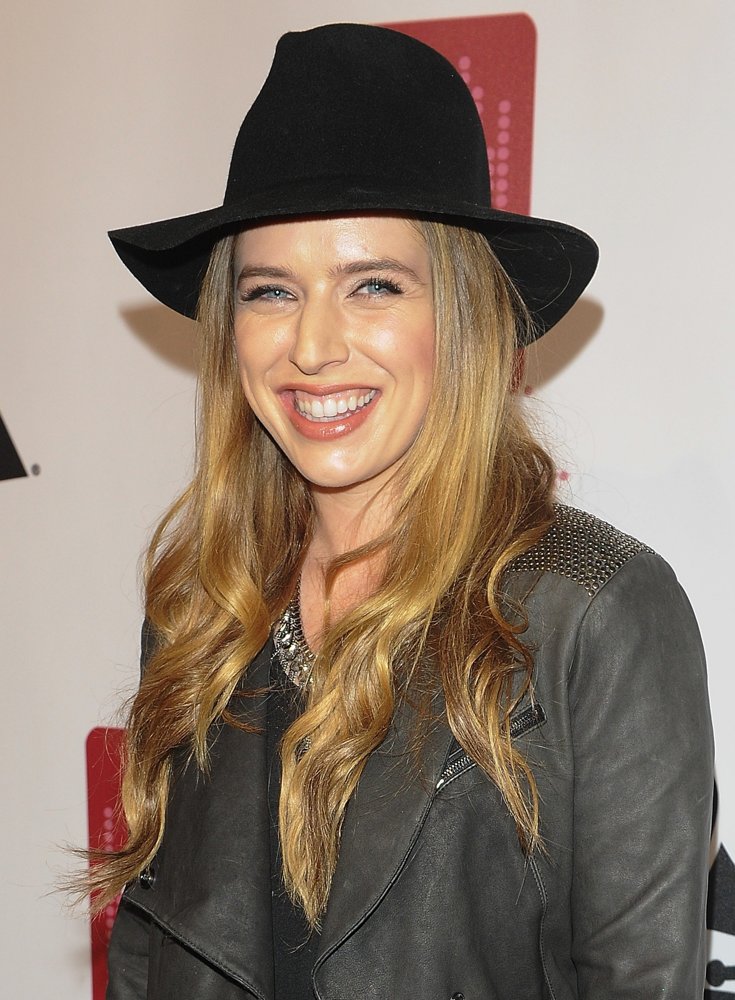
ZZ Ward
56th GRAMMY Awards - P and E Wing Event Honoring Neil Young
Jan 21, 2014
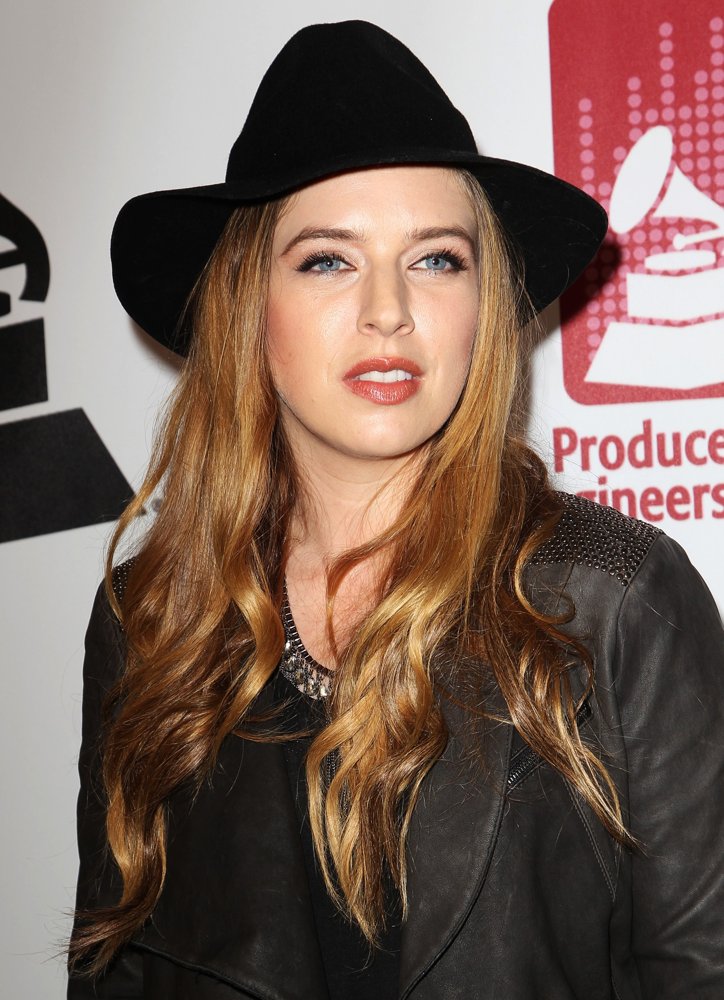
ZZ Ward
56th GRAMMY Awards - P and E Wing Event Honoring Neil Young
Jan 21, 2014

ZZ Ward
2014 ESPYS Awards - Arrivals
Jul 16, 2014
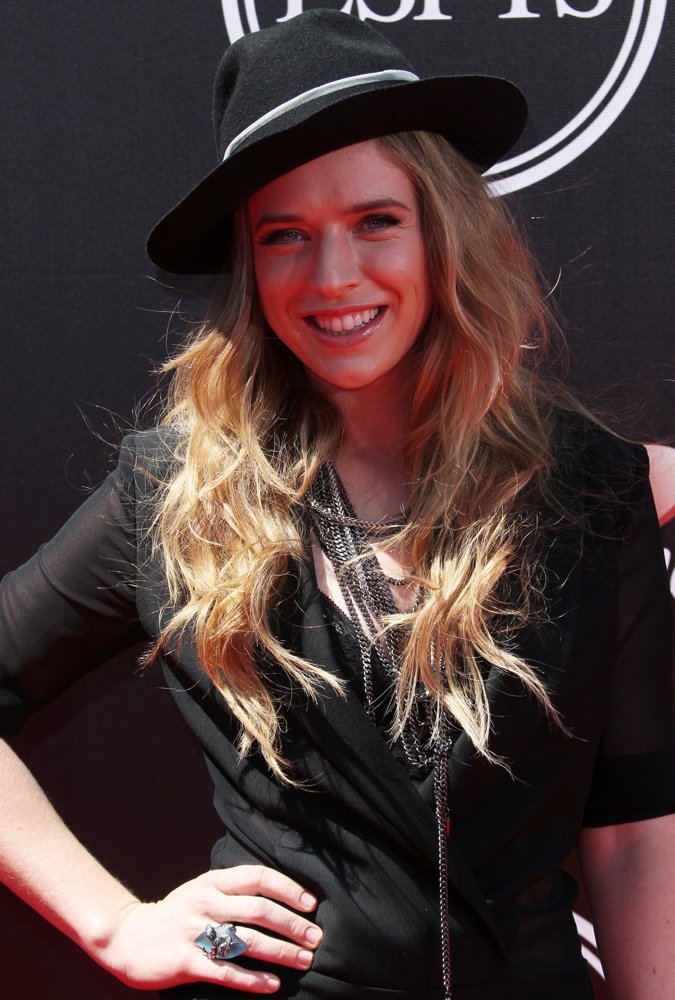
ZZ Ward
2014 ESPYS Awards - Arrivals
Jul 16, 2014




⭐Featured Celebrities