Greta Tintin Eleonora Ernman Thunberg was born on January 3, 2003, in Stockholm, Sweden, into a family with a strong artistic background. Her mother, Malena Ernman, is an acclaimed opera singer, and her father, Svante Thunberg, is an actor and producer. Her grandfather, Olof Thunberg, was also a well-known actor and director in Sweden. Thunberg has spoken openly about being diagnosed with Asperger's syndrome, obsessive-compulsive disorder, and selective mutism, describing her condition as a source of focus and determination rather than a limitation.
Thunberg first learned about climate change at around age eight and was deeply affected by what she learned. In 2018, at the age of fifteen, she began a solo school strike outside the Swedish parliament building in Stockholm, holding a sign that read "Skolstrejk för klimatet" (School Strike for Climate). Her action, initially a solitary protest, quickly drew media attention and inspired students around the world to organize their own strikes, giving rise to the global Fridays for Future movement. Within months, hundreds of thousands of young people across multiple countries were participating in coordinated climate demonstrations.
Her growing prominence led to invitations to speak at major international forums. In December 2018, she addressed the United Nations Climate Change Conference in Katowice, Poland, and in 2019 she delivered her famous "How dare you" speech at the UN Climate Action Summit in New York. That same year, she was named Time magazine's Person of the Year, becoming the youngest individual ever to receive the honor, and she was included in Time's 100 Most Influential People list. She also received a nomination for the Nobel Peace Prize and was featured in the documentary film I Am Greta, which chronicled her rise as an activist.
Beyond climate advocacy, Thunberg has broadened her focus to include human rights and global justice, voicing support for Ukraine, Palestine, Armenia, Cuba, and Western Sahara. In 2025, she twice joined a humanitarian flotilla bound for the Gaza Strip, actions that drew significant international attention and political controversy. Throughout her career, she has consistently stated that her actions are guided by published climate research and policy targets, and her activism has been credited with sparking the "Greta effect," a measurable increase in environmental awareness and youth engagement worldwide. Supporters credit her with elevating public attention to climate issues, while critics have questioned her rhetoric, methods, and role in political debate. She remains one of the most recognizable and polarizing figures in contemporary global activism.
⭐
Similar Celebrities



📷
Recent Photos

ZZ Ward
The Art of Elysium Presents Stevie Wonder's HEAVEN - Celebrating The 10th Anniversary
Jan 7, 2017

ZZ Ward
56th GRAMMY Awards - P and E Wing Event Honoring Neil Young
Jan 21, 2014
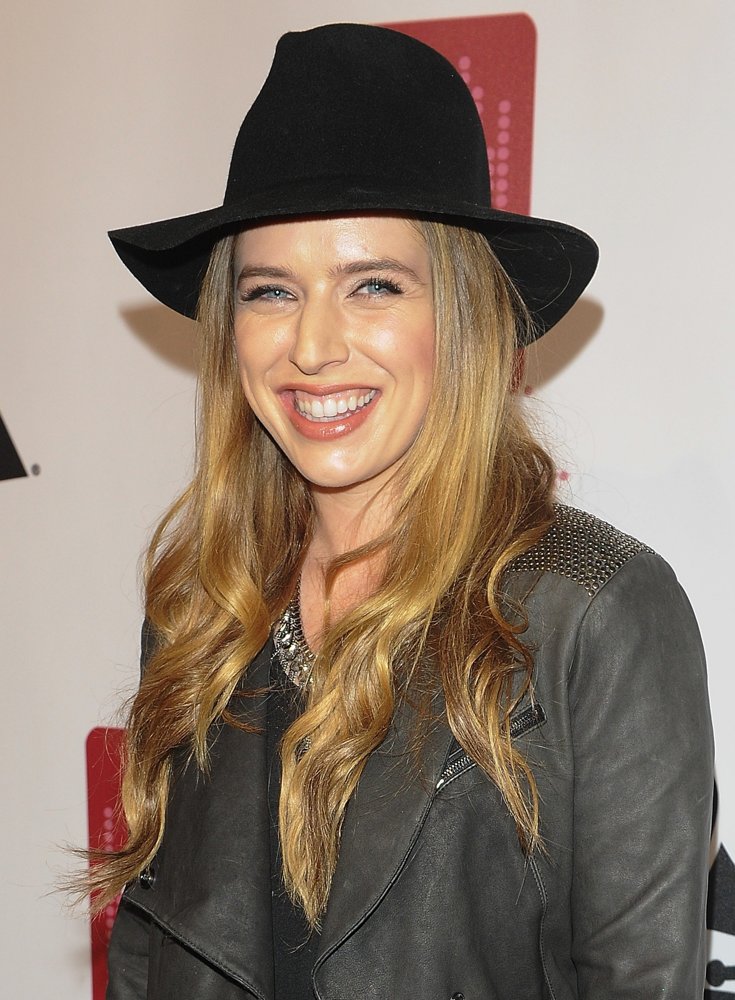
ZZ Ward
56th GRAMMY Awards - P and E Wing Event Honoring Neil Young
Jan 21, 2014
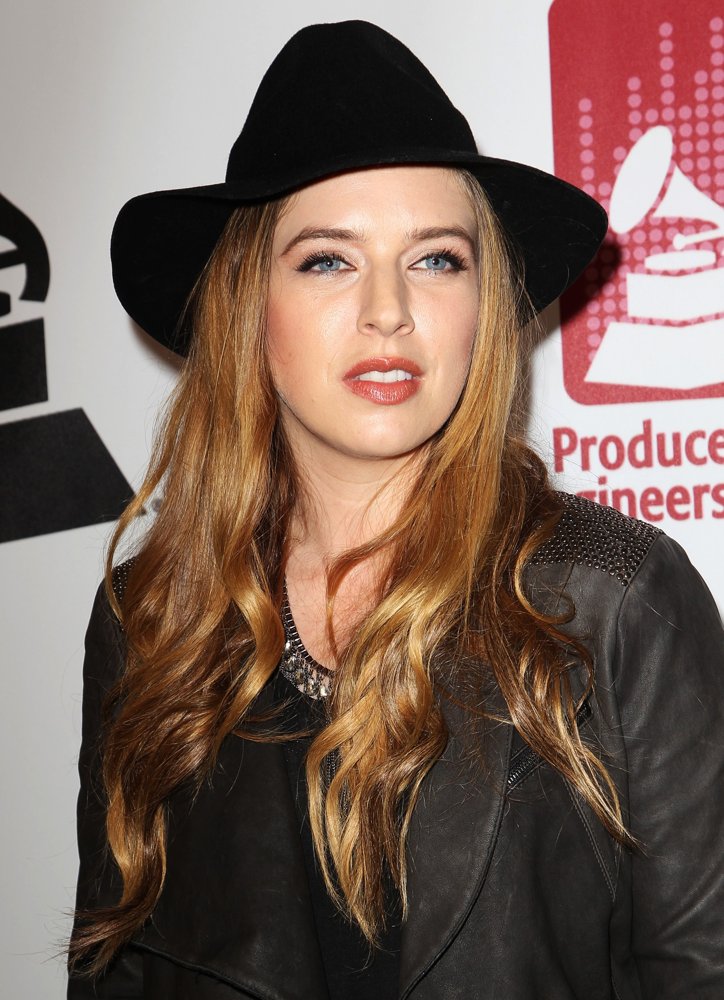
ZZ Ward
56th GRAMMY Awards - P and E Wing Event Honoring Neil Young
Jan 21, 2014

ZZ Ward
2014 ESPYS Awards - Arrivals
Jul 16, 2014
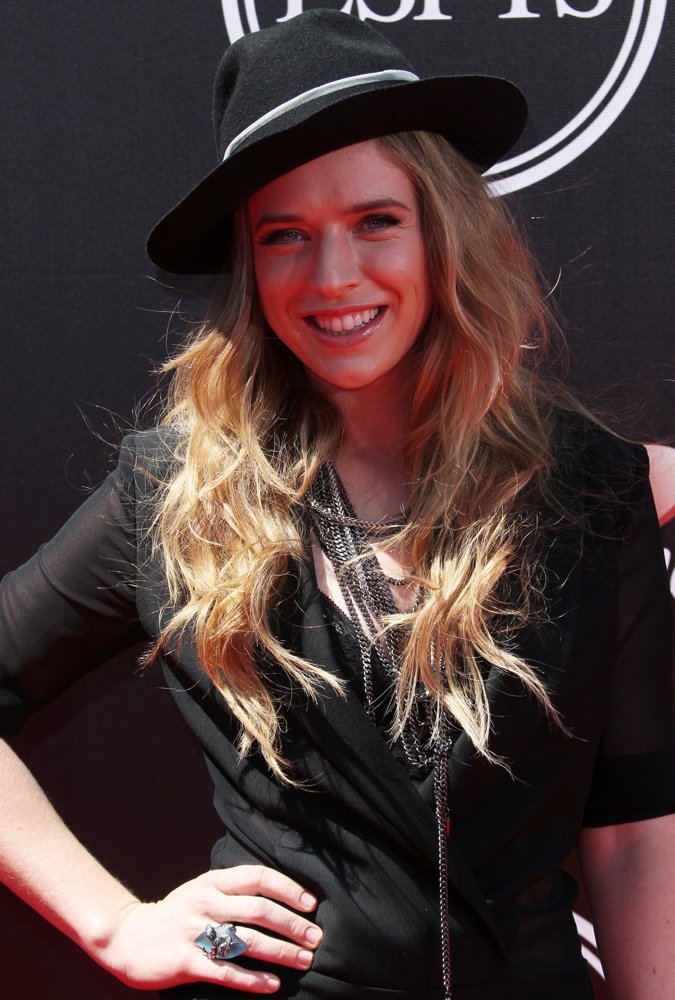
ZZ Ward
2014 ESPYS Awards - Arrivals
Jul 16, 2014




⭐Featured Celebrities