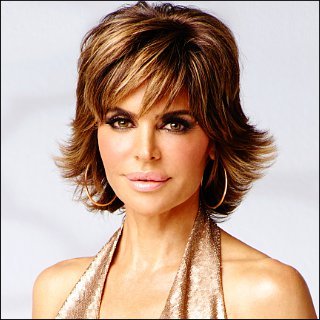
Ghislaine Noelle Marion Maxwell, born on 25 December 1961 in France, is a British convicted child sex trafficker and former socialite whose life story is inextricably linked to one of the most notorious criminal cases of the 21st century. Raised in Oxford, England, she was the daughter of media proprietor Robert Maxwell, a larger-than-life figure whose controversial business empire and mysterious death in 1991 cast a long shadow over his family. Educated at Balliol College, Oxford, during the 1980s, the young Maxwell navigated the upper echelons of London’s social scene, cultivating an air of glamour and influence that would define her public persona for decades. She holds both French and British citizenship and later became a naturalised American citizen, a status that would factor into her legal proceedings in the United States.
Following her father’s death, Maxwell relocated to New York City, where she reinvented herself as a prominent socialite, moving fluidly among the city’s elite circles. It was during this period that she developed a deep and consequential relationship with financier Jeffrey Epstein, a man whose own reputation for predatory behaviour would eventually come to define them both. Together, Maxwell and Epstein maintained an extensive network of powerful connections, counting among their acquaintances figures such as Naomi Campbell, Prince Andrew, Bill Clinton, and Kerry Kennedy. Her ability to facilitate introductions and her role as a trusted confidante made her an indispensable figure in Epstein’s orbit, a position that would later prove central to her criminal liability. While she continued to project an image of effortless privilege, her involvement in Epstein’s activities began to attract scrutiny, particularly as allegations of sexual misconduct and the exploitation of minors began to surface in the late 2000s.
The turning point in Maxwell’s public narrative came in July 2020, when she was arrested by the FBI following a federal indictment charging her with multiple offences, including conspiracy to entice minors and sex trafficking of minors. The charges alleged that she had played a key role in recruiting and grooming underage victims for Epstein between 1994 and 2004, a claim that prosecutors pursued with vigour. Denied bail, Maxwell was held in federal custody as her case moved toward trial, a period marked by intense media coverage and public outrage. Her trial, which commenced on 29 November 2021 and concluded on 29 December 2021, resulted in her conviction on five of six counts, including the pivotal charge of sex trafficking of a minor. The following year, in 2022, she was sentenced to 20 years in prison, a term that reflected the gravity of her crimes and the harm inflicted on her victims.
Maxwell’s conviction marked the culmination of a dramatic fall from grace, transforming her from a figure of high-society intrigue into a symbol of systemic abuse and complicity. Her case has sparked broader conversations about the intersection of wealth, power, and criminality, as well as the failures of institutions to protect the vulnerable. While her legal appeals have continued, her legacy remains firmly defined by the suffering she enabled and the justice she now faces. As she serves her sentence, the story of Ghislaine Maxwell serves as a stark reminder of how privilege can be weaponised, and how the pursuit of status can lead to devastating consequences for others.
⭐
Similar Celebrities



📷
Recent Photos

Amy Hart
The Premiere of Cirque Du Soleil Luzia
Jan 13, 2022
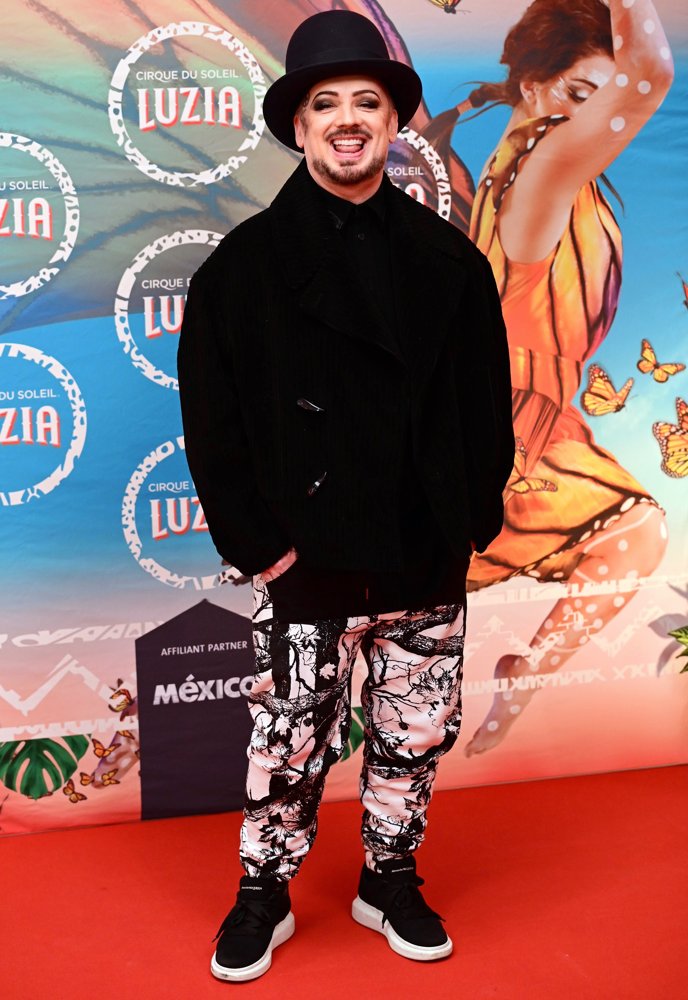
Boy George
The Premiere of Cirque Du Soleil Luzia
Jan 13, 2022

Phoenix Chi Gulzar
The Premiere of Cirque Du Soleil Luzia
Jan 13, 2022
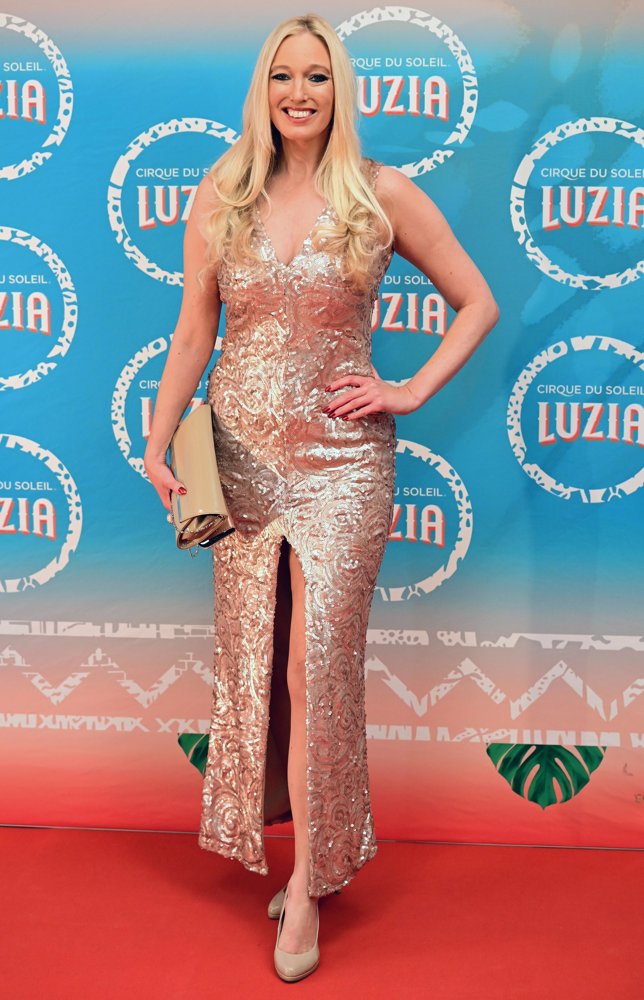
Hayley Palmer
The Premiere of Cirque Du Soleil Luzia
Jan 13, 2022
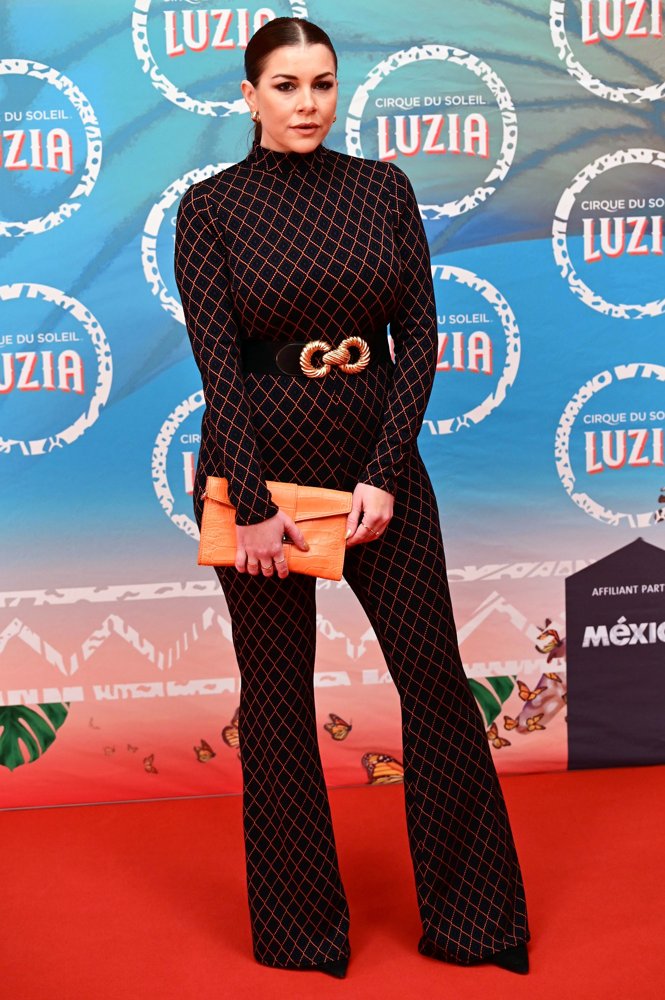
Imogen Thomas
The Premiere of Cirque Du Soleil Luzia
Jan 13, 2022
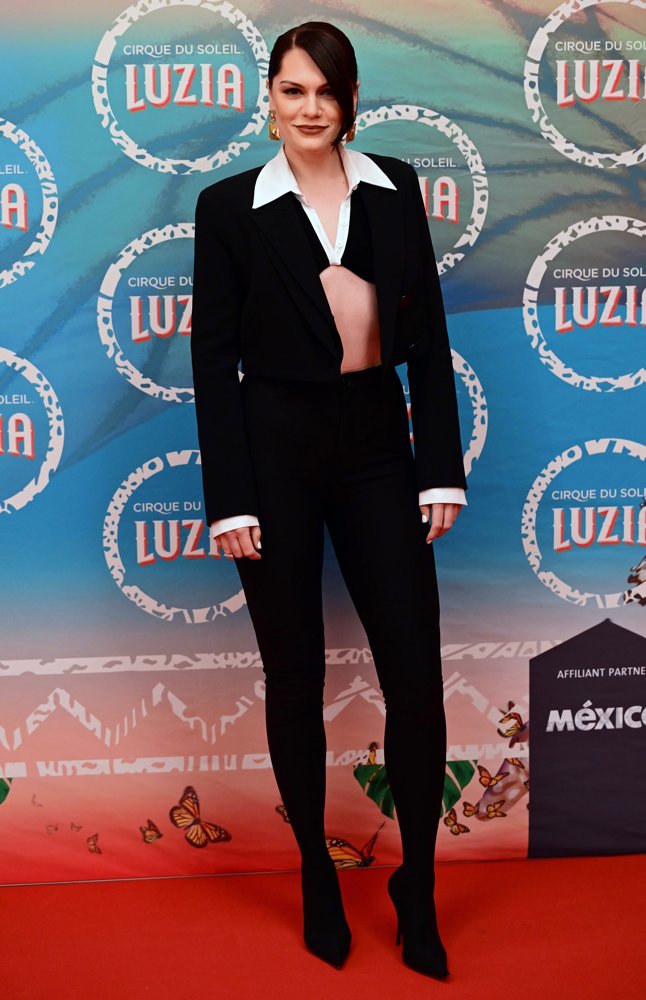
Jessie J
The Premiere of Cirque Du Soleil Luzia
Jan 13, 2022





⭐Featured Celebrities