Gabor Maté is a Canadian physician and author renowned for his insights into childhood development, trauma, and addiction. Born in January 1944, Maté has gained prominence in both the medical field and public discourse for his unique approach to understanding the interplay between emotional pain and substance use disorders. His work emphasizes the significance of trauma, particularly during formative years, as a driving force behind various health issues, including Attention Deficit Hyperactivity Disorder (ADHD), autoimmune diseases, and cancer.
Maté's formative years were marked by his experiences as a child of Jewish refugees in Hungary during World War II, which profoundly influenced his perspective on human suffering and resilience. He completed his medical education in Canada, where he initially engaged in family practice and later specialized in addiction and trauma-related health issues. His clinical work has provided him with deep insights into the emotional and psychological factors contributing to chronic illnesses and addiction.
As an author, Gabor Maté has penned five notable books that explore complex themes surrounding stress, ADHD, and the psychological underpinnings of addiction. His books, including "In the Realm of Hungry Ghosts," "When the Body Says No," and "Scattered Minds," have resonated with a wide audience, sparking interest and debate in both academic and clinical circles. Maté's writings challenge conventional paradigms and encourage a more nuanced understanding of the factors affecting mental and physical health.
Despite the acclaim he has received, Maté's work has not been without criticism. Scholars and practitioners have engaged in ongoing discussions about his emphasis on trauma, with some arguing that it risks overshadowing other critical factors such as genetic predispositions and evidence-based treatments. Critics like psychologist Stanton Peele and professor James C. Coyne have pointed out that a singular focus on childhood trauma may present a reductionist view of addiction, potentially sidelining established therapeutic approaches. Others, including Vincenzo Di Nicola and Nick Haslam, have echoed these sentiments, suggesting that while Maté's ideas are accessible, they require a more balanced integration with empirical research.
Currently, Gabor Maté remains an influential figure, frequently speaking at conferences, workshops, and public events, where he shares his insights on trauma and healing. His engaging style and ability to connect with audiences have solidified his status as a thought leader in the fields of medicine and psychology. Through his work, Maté continues to challenge existing narratives and advocate for a more compassionate understanding of addiction and mental health, emphasizing the importance of addressing the underlying emotional pain that often accompanies these challenges.





📷
Recent Photos

Katie Price
Katie Price Launches Only Fans Channel - Photocall
Jan 26, 2022
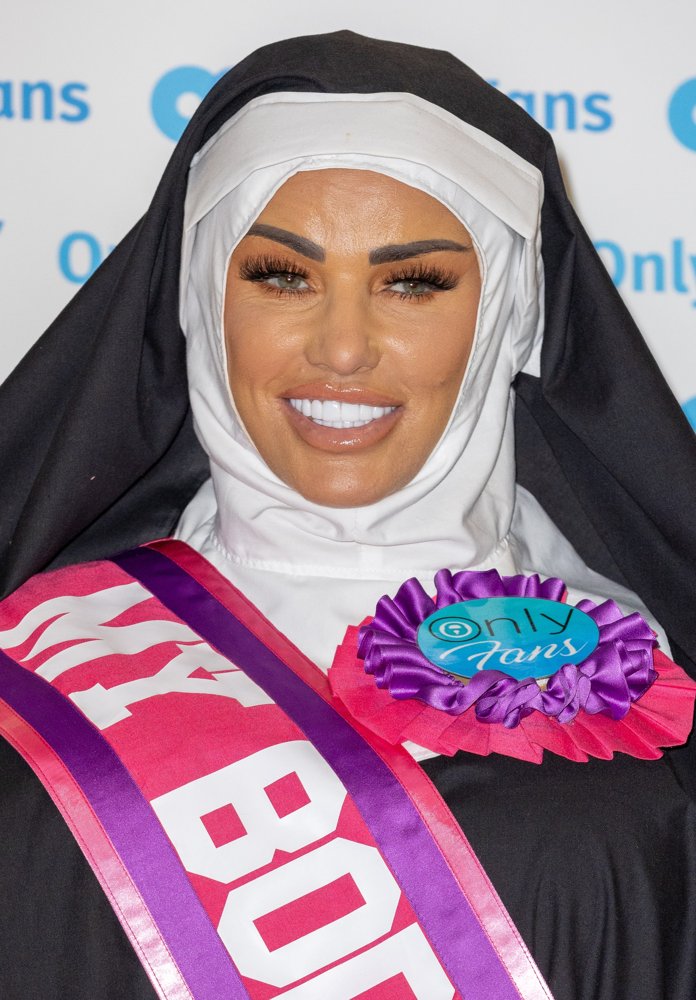
Katie Price
Katie Price Launches Only Fans Channel - Photocall
Jan 26, 2022

Jessie J
The Premiere of Cirque Du Soleil Luzia
Jan 13, 2022
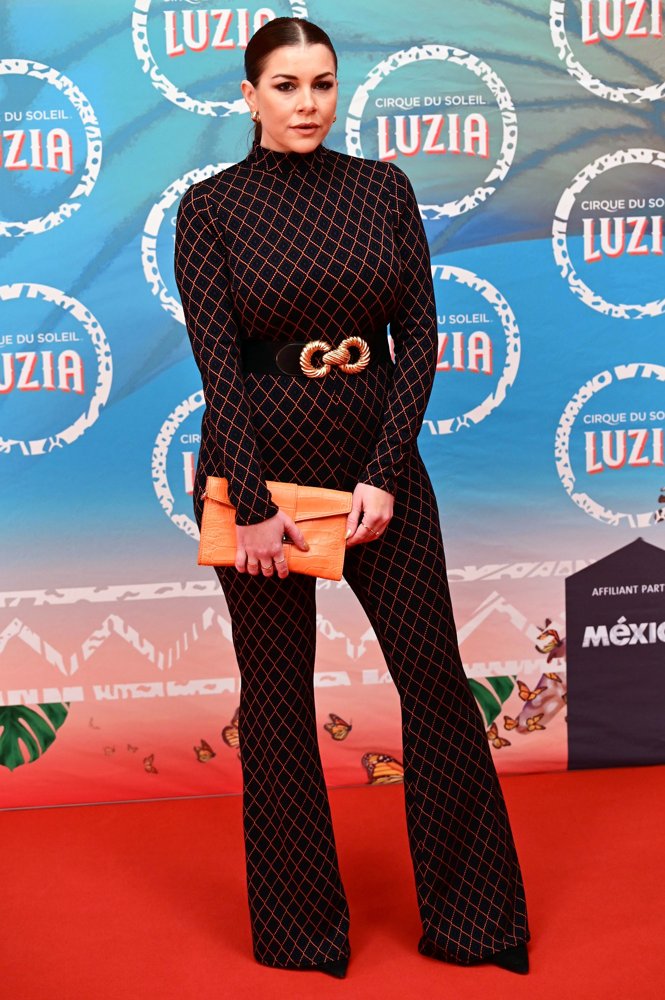
Imogen Thomas
The Premiere of Cirque Du Soleil Luzia
Jan 13, 2022

Hayley Palmer
The Premiere of Cirque Du Soleil Luzia
Jan 13, 2022

Phoenix Chi Gulzar
The Premiere of Cirque Du Soleil Luzia
Jan 13, 2022




⭐Featured Celebrities