Born Arnold George Dorsey on May 2, 1936, in Chennai, India, the man who would become known to the world as Engelbert Humperdinck crafted one of the most enduring careers in popular music. The son of a British father and an Indian-born mother of British descent, Dorsey moved to Leicester, England, with his family during his childhood, where his early passion for music began to take shape. He initially performed in working men’s clubs during the late 1950s under the stage name Gerry Dorsey, but despite his undeniable talent, mainstream success proved elusive during those formative years.
A pivotal turn came in 1965 when he partnered with the influential manager Gordon Mills, who also guided the career of Tom Jones. Recognizing the need for a distinctive rebranding, Mills suggested Dorsey adopt the name of the 19th-century German composer Engelbert Humperdinck, a moniker that was both memorable and uniquely theatrical. The gamble paid off spectacularly in 1967 when his sweeping ballad "Release Me" became a global phenomenon, topping the UK Singles Chart and famously keeping The Beatles' "Strawberry Fields Forever" from the number one spot. The song sold more than a million copies, and Humperdinck quickly followed with a string of lush, orchestral hits including "The Last Waltz," "There Goes My Everything," and "Am I That Easy to Forget," cementing his status as a leading crooner of the era. His devoted fanbase, affectionately known as "Humperdinckers," propelled him to immense popularity, and his recordings of "A Man Without Love" in 1968 further solidified his chart dominance.
As the 1970s unfolded, Humperdinck successfully transitioned his appeal to the American market, achieving significant success with the Grammy-nominated single "After the Lovin'" in 1976 and the poignant "This Moment in Time" in 1979. While his romantic balladry remained his signature, he demonstrated remarkable versatility in the 1990s, embracing a new generation of listeners through the lounge revival. His quirky recording of "Lesbian Seagull" appeared on the soundtrack for the animated film Beavis and Butt-Head Do America in 1996, and he released a dance-oriented album in 1998, proving his ability to adapt to changing musical landscapes without sacrificing his distinctive voice. The new millennium brought a diverse range of projects, including the Grammy-nominated gospel collection Always Hear the Harmony: The Gospel Sessions in 2003 and the ambitious double album of duets, Engelbert Calling, in 2014, which featured collaborations with a host of contemporary artists.
In 2012, Humperdinck took on a new challenge when he represented the United Kingdom at the Eurovision Song Contest in Baku, Azerbaijan, performing the song "Love Will Set You Free." Although the entry finished in 25th place out of 26, the appearance introduced his timeless talent to a vast international audience. Married to his wife Patricia Healey since 1964, Humperdinck has balanced a demanding touring schedule with a rich personal life, continuing to perform for audiences around the globe well into his eighties. With sales exceeding 140 million records worldwide, his legacy as one of the most successful and beloved vocalists of his generation remains firmly intact, a testament to a career defined by romantic elegance and unwavering dedication to his craft.
⭐
Similar Celebrities

📷
Recent Photos

Aasha Davis
Premiere of Amazon Studios and STX Films' Gringo
Mar 6, 2018
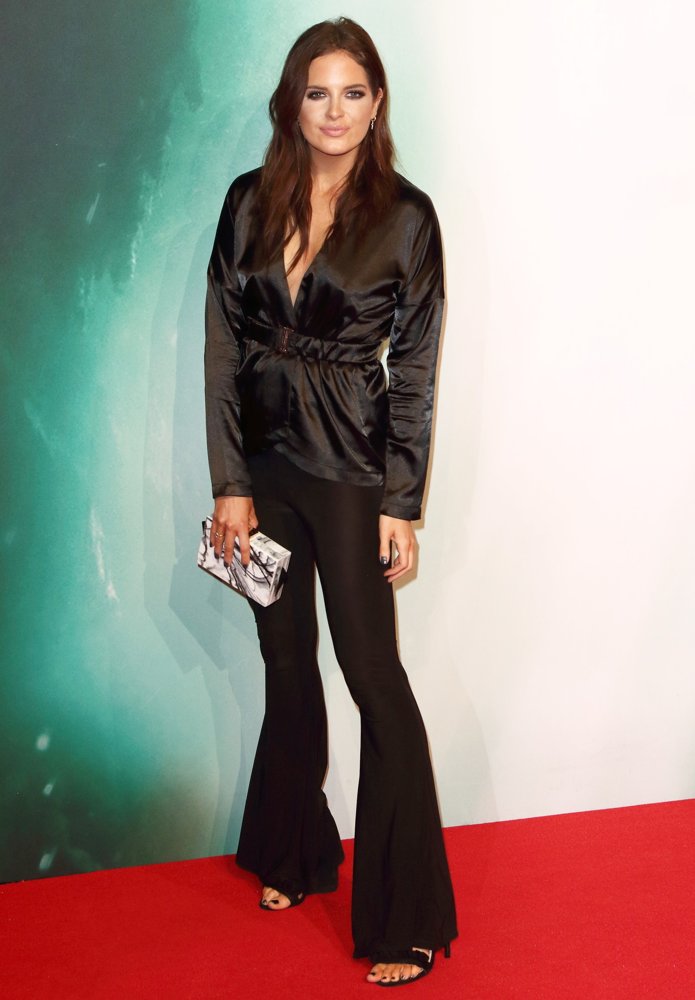
Alexandra Felstead
Tomb Raider European Premiere
Mar 6, 2018
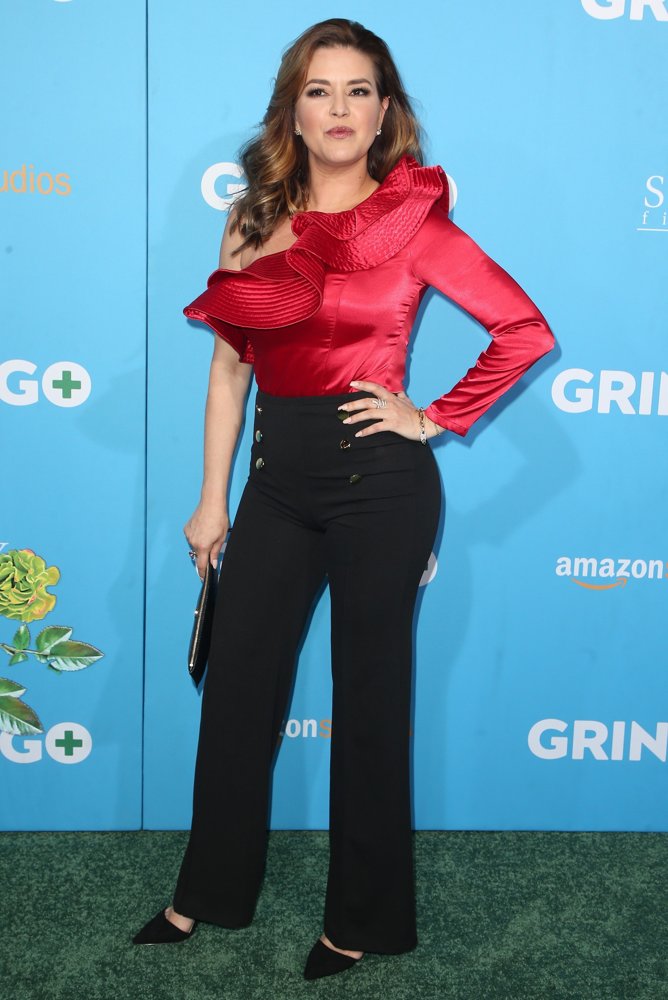
Alicia Machado
Premiere of Amazon Studios and STX Films' Gringo
Mar 6, 2018
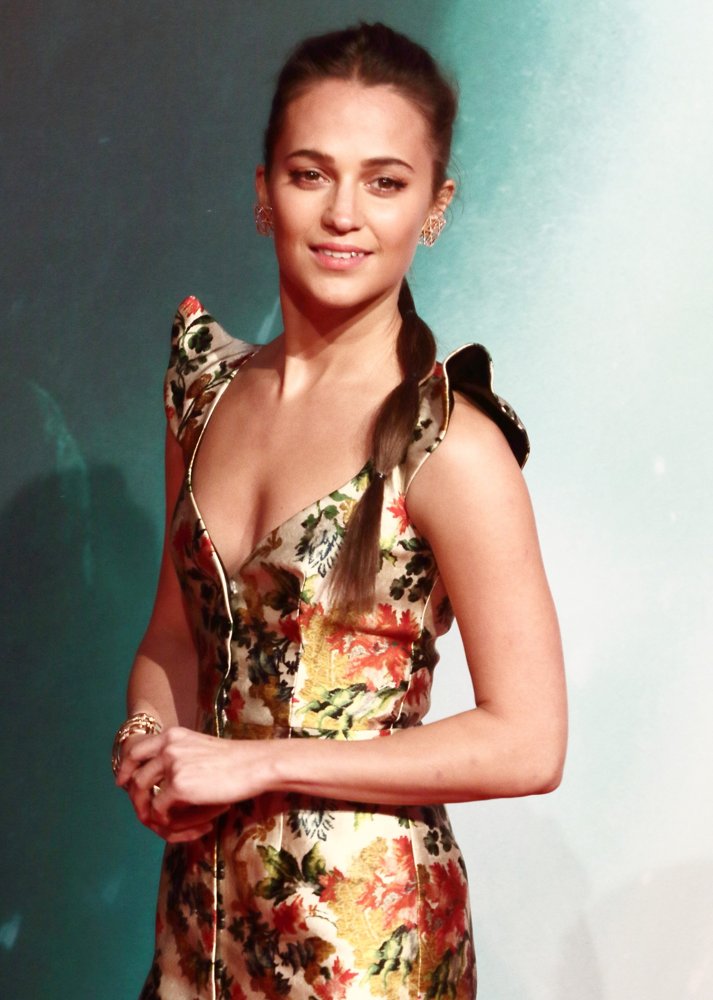
Alicia Vikander
Tomb Raider European Premiere
Mar 6, 2018

Alicia Vikander
Tomb Raider European Premiere
Mar 6, 2018

Amanda Seyfried
Premiere of Amazon Studios and STX Films' Gringo
Mar 6, 2018





⭐Featured Celebrities