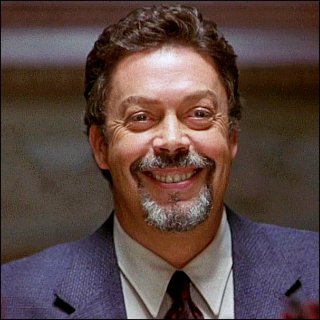
David Allan Coe, a towering and often polarizing figure in American country music, carved out a singular legacy as one of the architects of the outlaw country movement. Born on September 6, 1939, in Akron, Ohio, and passing away on April 29, 2026, Coe—known widely by his initials DAC—transformed a turbulent youth spent largely in reform schools and prisons into a prolific career as a singer-songwriter whose raw, unfiltered voice resonated with millions. His difficult early years shaped a defiant persona that would both define his art and set him apart from the polished Nashville establishment, making him a cult hero whose influence stretched far beyond his own chart successes.
After his release from prison, Coe initially made his way to Nashville, where he began busking on the city's streets and performing in local clubs. His earliest musical explorations leaned heavily into the blues, but it was his pivot to country music that would cement his place in history. Aligning himself with the rebellious spirit of the 1970s outlaw country scene, Coe found a kindred audience in those who rejected the slick, pop-infused sound dominating Music Row at the time. His breakthrough came with a string of memorable hits, including the humorous and self-referential "You Never Even Call Me by My Name," which is often cited as the perfect country song, as well as anthems like "Longhaired Redneck" and the autobiographical "The Ride," which paid tribute to the ghost of Hank Williams. Other notable singles, such as "Mona Lisa Lost Her Smile" and "She Used to Love Me a Lot," further showcased his range as both a hard-edged rocker and a tender balladeer.
Beyond his own recordings, Coe's songwriting prowess proved to be his most commercially successful asset. His composition "Would You Lay With Me (In a Field of Stone)" became a massive number-one hit for Tanya Tucker, while his gritty workplace anthem "Take This Job and Shove It" was famously recorded by Johnny Paycheck, topping the charts and inspiring the 1981 film of the same name. These crossover successes solidified his reputation as a gifted wordsmith capable of tapping into the working-class zeitgeist, even as his own radio play remained limited. Coe's deliberately wild image, complete with a black leather vest, long hair, and a motorcycle, was a stark contrast to the clean-cut country stars of his era, winning him a dedicated legion of fans who appreciated his authenticity.
However, Coe's career was not without significant controversy. His rebellious attitude and unconventional lifestyle often alienated the music industry's gatekeepers, hindering his ability to achieve the mainstream superstardom his talents might otherwise have warranted. More troublingly, some of his later recordings featured profane and racially charged lyrics, which drew sharp criticism and tarnished his reputation among broader audiences. Despite these controversies, Coe remained a tireless performer, touring extensively and maintaining a devoted cult following on the country music circuit right up until his death in 2026. His legacy is a complex one: a brilliant and influential songwriter whose contributions to outlaw country are undeniable, yet a man whose provocative choices ensured he would forever remain an outsider looking in on the very industry he helped reshape.
⭐
Similar Celebrities


📷
Recent Photos
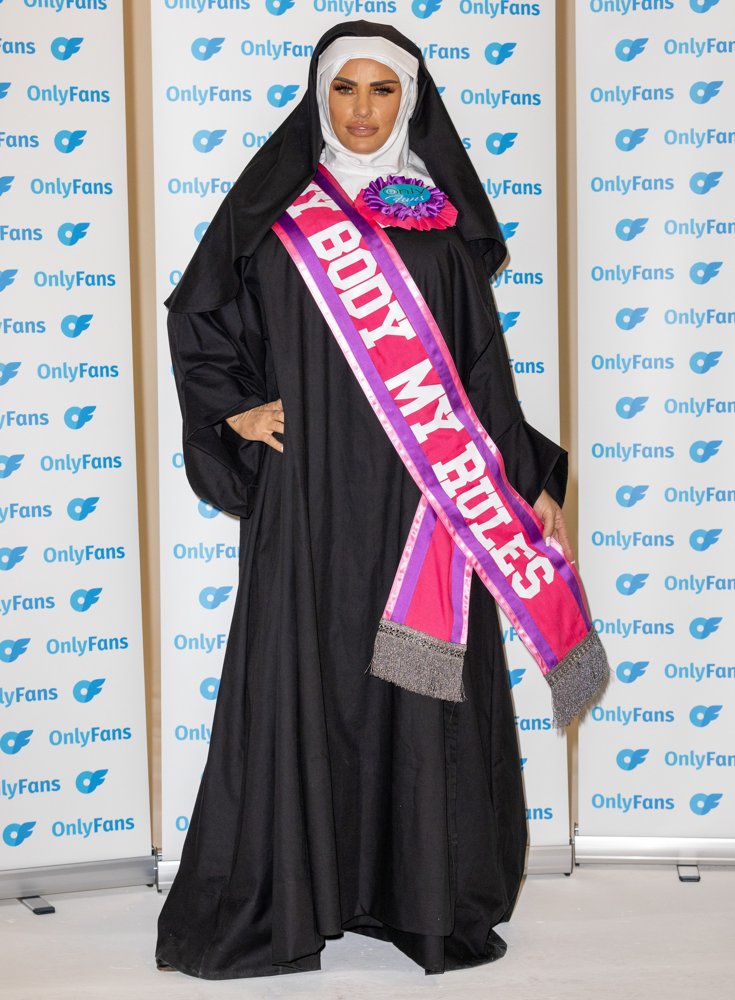
Katie Price
Katie Price Launches Only Fans Channel - Photocall
Jan 26, 2022
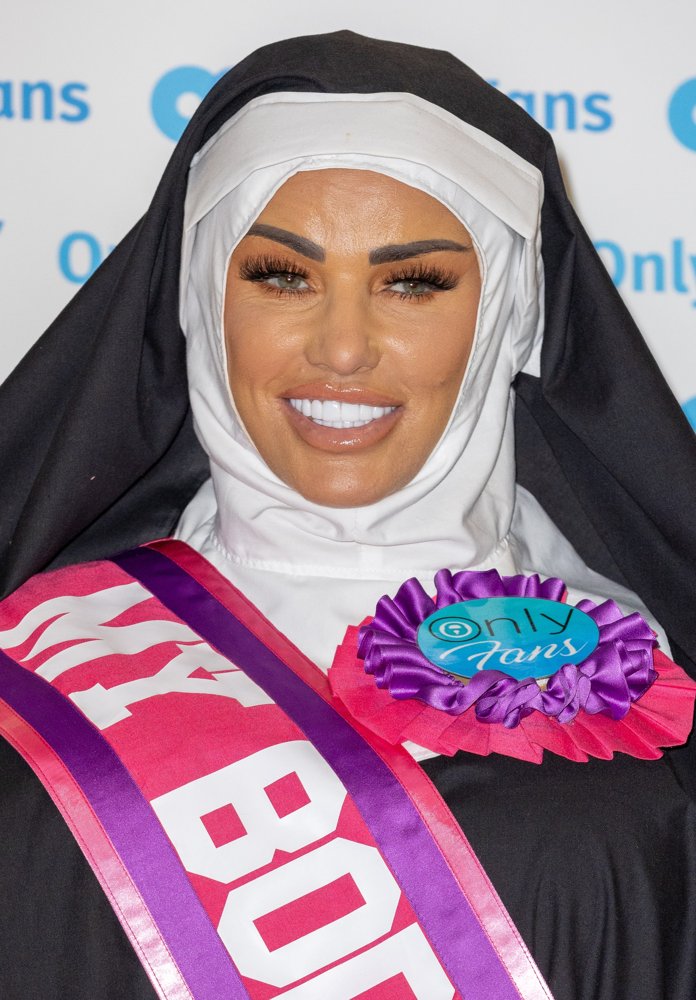
Katie Price
Katie Price Launches Only Fans Channel - Photocall
Jan 26, 2022
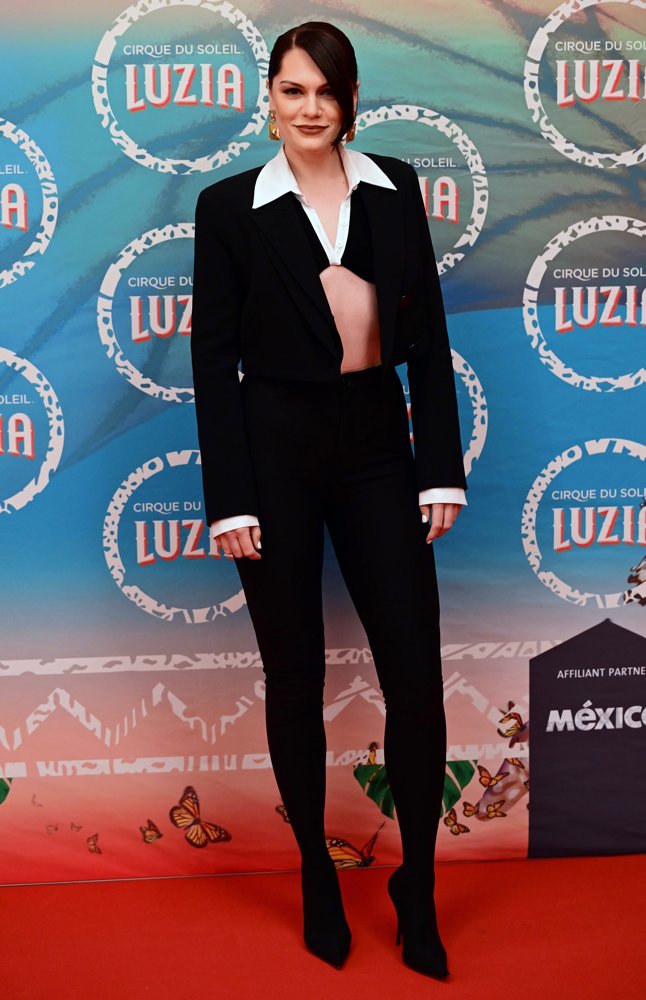
Jessie J
The Premiere of Cirque Du Soleil Luzia
Jan 13, 2022
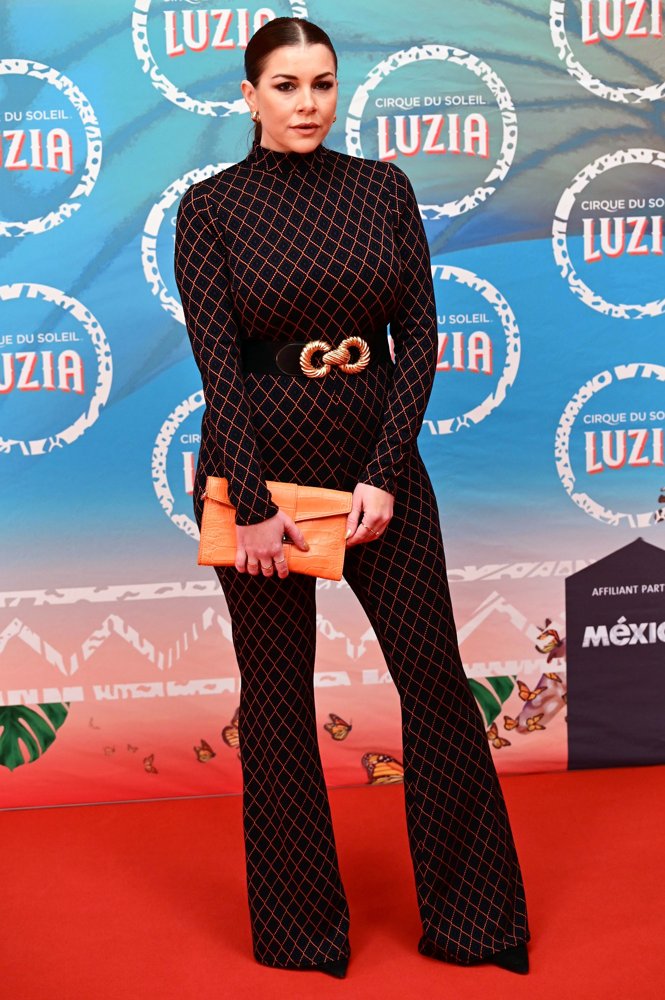
Imogen Thomas
The Premiere of Cirque Du Soleil Luzia
Jan 13, 2022

Hayley Palmer
The Premiere of Cirque Du Soleil Luzia
Jan 13, 2022

Phoenix Chi Gulzar
The Premiere of Cirque Du Soleil Luzia
Jan 13, 2022




⭐Featured Celebrities