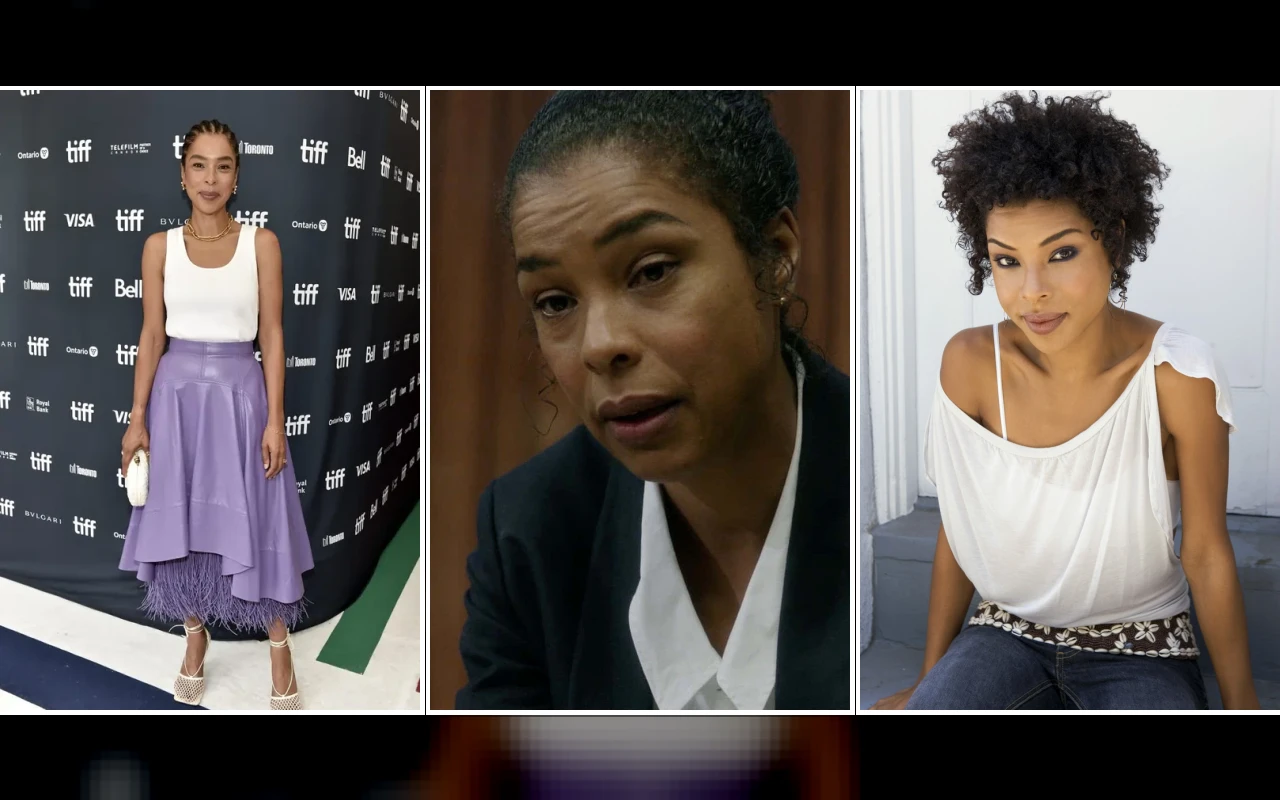
Sophie Okonedo delivers career-best performances in two indie films this winter, including the haunting coming-of-age drama Mouse.
- November 19, 2026
AceShowbiz - Sophie Okonedo commands attention this winter with leading roles in two compelling independent films set to hit theaters after acclaimed festival runs. Both projects showcase her remarkable range and fearless emotional depth, further solidifying her status as one of the most nuanced actors working today.
Sophie Okonedo stars in Mouse, a quietly powerful coming-of-age drama set in early 2000s Arkansas. The story follows teenage Minnie and her complex relationship with her best friend’s mother, Helen, played by Okonedo. Helen’s character treads a delicate line, mothering Minnie in a way that blends grief and unsettling attachment. This nuanced performance highlights Okonedo’s ability to convey vulnerability and tension without overt exposition, anchoring the film’s emotional core.
Shot on a modest budget by the husband-and-wife filmmakers Kelly O’Sullivan and Alex Thompson, Mouse delivers a subtle yet profound exploration of American life rarely seen on screen. Okonedo’s involvement brings much-needed attention to this intimate narrative, emphasizing how small-scale films can deeply resonate when handled with care and insight.
Almost concurrently, Okonedo leads the Nigerian-set drama Clarissa, a contemporary reimagining of Virginia Woolf’s classic novel Mrs. Dalloway. Directed by brothers Chuko and Arie Esiri, the film transports Woolf’s themes into a vibrant Lagos backdrop. This project held special significance for Okonedo, marking her return to Nigeria after two decades and reconnecting her with a part of her heritage tied to her late father.
The experience of filming in Lagos was transformative for Okonedo, enriching her both personally and professionally. The cultural immersion and the story’s resonance made the project more than a role—it became a journey of rediscovery. Scheduled for a limited theatrical release in mid-December, Clarissa promises to offer audiences a fresh perspective on Woolf’s timeless exploration of identity, memory, and societal pressure.
Both films are united by their independent spirit and low-budget origins, yet they present wildly different narratives and settings. This juxtaposition underscores Okonedo’s versatility and fearless approach to storytelling. Whether inhabiting a grieving mother in rural America or a complex protagonist navigating modern Nigerian society, she brings a rare sensitivity that elevates both projects.
With these two films arriving so close together, audiences have a unique opportunity to witness Okonedo at the height of her craft, embodying characters marked by emotional complexity and cultural depth. As the industry continues to spotlight independent cinema, Sophie Okonedo stands out as a fearless artist dedicated to telling compelling, intimate stories that linger long after the credits roll.
This article is based on reporting originally published by Vogue.