A reliable off-leash recall isn't luck—it's built through proofing, high-value rewards, and never punishing your dog for coming back.
- November 8, 2026
AceShowbiz - Picture this: you're at the park, your dog is twenty yards away sniffing something fascinating, and you need him back now because a cyclist is barreling down the path. You call his name. He glances at you, then goes right back to the sniff. If that scenario makes your stomach drop, you're not alone—recall is the single skill most dog owners struggle with, and it's also the one that can literally save your dog's life.
Here's the uncomfortable truth: most dogs aren't bad at recall. Most owners have accidentally trained their dogs that "come" means "the fun is about to end." The good news is that recall is a trainable skill like any other, and with the right approach you can build a response that holds up around squirrels, other dogs, and the great outdoors.
Why Recall Fails Before You Even Start Training
The number one reason recall breaks down is punishment disguised as training. Think about what happens in a typical household: the dog escapes out the front door, the owner panics, chases the dog, and when they finally catch him, they yell or grab him roughly. From the dog's perspective, coming back to you equals getting in trouble. Why would he ever do that again?
Even subtler mistakes matter. If you only call your dog to come inside, get in the car, or go to the vet, you've taught him that "come" is a warning sign for bad news. Dogs are brilliant at pattern recognition. If nine out of ten recalls end something fun, the tenth one—the emergency recall—won't work when you need it most.
There's also the leash trap. Many owners only practice recall in the house or on a six-foot leash, then expect the behavior to transfer to an open field full of distractions. It doesn't. Recall has to be proofed gradually across environments, distances, and distraction levels, just like any other behavior.
Actionable tip: For the next two weeks, call your dog to come at least ten times a day for no reason at all—then reward and release him back to whatever he was doing. This single habit starts rebuilding the association that coming to you is a great deal.
Build the Foundation With a Fresh Cue and Real Value
If your current recall word is already poisoned—meaning your dog has learned to ignore it—pick a brand new cue. Something like "here," "check-in," or a whistle works well because it has no baggage. A whistle is actually a smart choice: it carries farther than your voice, sounds the same every time, and doesn't get emotional or panicked in an emergency.
Next comes value. Your dog is constantly running a cost-benefit analysis, and if coming to you pays better than chasing that rabbit, you win. That means rewards have to be extraordinary—not dry kibble, but real chicken, cheese, or freeze-dried liver. Reserve these high-value treats only for recall training so they stay special.
Start in a low-distraction space like a hallway or living room. Say your cue once, and the instant your dog turns toward you, mark it with a "yes" or a click, then pay generously when he arrives. Never repeat the cue multiple times—"Rex, Rex, Rex, come on, Rex"—because that teaches your dog that the first several calls are optional.
The Three-Second Rule
Reward timing matters more than most people realize. Dogs associate rewards with whatever they were doing at the exact moment the treat appeared. If your dog comes to you, then gets distracted and sniffs the ground, and then you deliver the treat, you've just rewarded sniffing. Deliver the reward within about three seconds of arrival, ideally right at your feet.
Use a Long Line Before You Trust Off-Leash Freedom
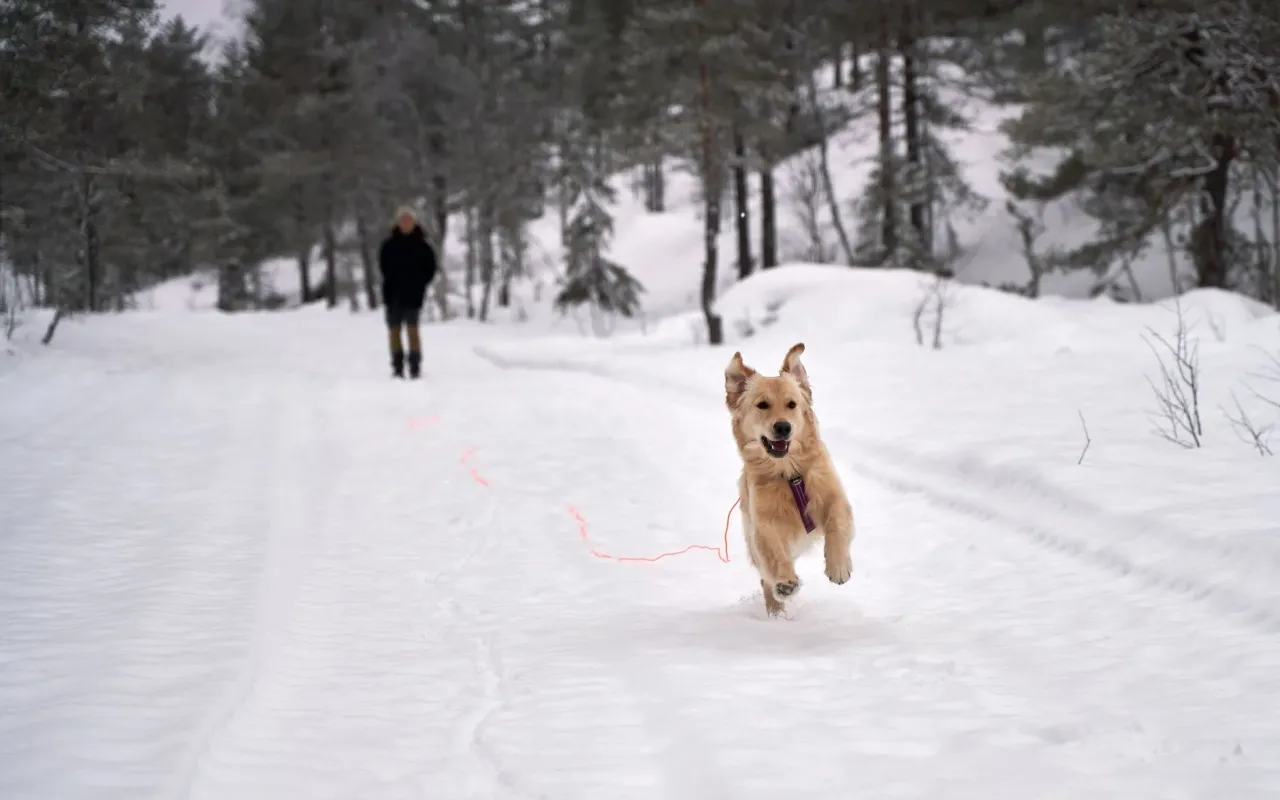
Skipping the long line is the most common shortcut that backfires. A 20- or 30-foot training line lets your dog experience real distance and real distractions while you retain a safety net. It's the bridge between your living room and the open field, and it's where most of the actual learning happens.
Practice in a park or field with the long line attached. Let your dog wander, then call your cue. If he ignores you, don't yank the line—that creates distrust. Instead, apply gentle, steady pressure until he turns toward you, then immediately release the pressure and reward heavily when he arrives. The dog learns that coming to you is what makes the pressure stop.
As your dog gets reliable, add difficulty one variable at a time. Increase distance, or add distraction, or change location—but never all three at once. If your dog fails twice in a row, you've made it too hard; back up a step and rebuild the win.
Actionable tip: Keep a training log. Note the location, distance, and distraction level for each session. It's easy to forget how far you've progressed, and the log tells you exactly when your dog is ready to drop the line.
Proof Recall Around the Distractions That Actually Matter
Your dog doesn't need to come perfectly in an empty parking lot. He needs to come when there's a squirrel, another dog, a jogger, or a dropped hot dog bun in the picture. That's called proofing, and it's where recall either becomes real or falls apart.
Build a distraction ladder from easy to hard. Start with mild distractions—a toy on the ground, a familiar person standing nearby—and reward every success. Then escalate gradually: a dog walking past at a distance, then closer, then a dog playing. Only move up when your dog succeeds at the current level about eight or nine times out of ten.
Real-world scenarios are your best training ground. Practice calling your dog away from the front door, away from his food bowl, and away from the fence line where the neighbor's dog barks. Each of these is a small, controlled rehearsal for the big moment when it counts.
The Emergency Recall
Train a separate "emergency recall" cue—a whistle blast or a unique word—that is only ever paired with jackpot rewards like a handful of steak or a whole can of wet food. Never use it casually. Because it's reserved for genuine emergencies and always pays enormously, it becomes your nuclear option when your dog is heading toward a road.
Never Punish a Dog for Coming Back—Even Late
This rule is non-negotiable. If your dog finally comes back after ignoring you for two minutes, and you scold him, you've just punished the exact behavior you want. Dogs don't understand "I'm mad that you took so long." They understand "coming to my person resulted in something unpleasant."
The same applies to ending fun. If every recall means the park trip is over, your dog will start calculating whether it's worth it. Instead, call your dog, reward, and then release him back to play the vast majority of the time. Recall should predict more fun, not less.
And if your dog bolts and you're genuinely worried, resist the urge to chase. Chasing turns into a game and pushes your dog farther away. Instead, turn and run the other direction, or crouch down and act excited—most dogs can't resist following a person who seems to have something amazing.
Actionable tip: Keep a small treat pouch on every walk. A dog who gets paid for checking in on his own—without being called—is a dog who stays connected to you even off-leash.
Keep Recall Sharp With Short, Fun Sessions
Recall isn't a skill you finish; it's one you maintain. A dog who hasn't practiced in three months will lose sharpness, especially around high-value distractions. Ten minutes of focused practice, three or four times a week, keeps the behavior strong without turning training into a chore.
Make sessions playful. Hide behind a tree and call your dog—the game of finding you is inherently rewarding. Practice "ping-pong" recalls between two people, each rewarding the dog for running back and forth. These games build speed and enthusiasm, which is exactly what you want when you need a fast response.
Watch for regression. If your dog starts hesitating or ignoring the cue in a familiar setting, that's a signal to go back to basics—shorter distances, higher-value treats, fewer distractions. Recall is built on trust and repetition, and a little maintenance goes a long way toward keeping your dog safe and your off-leash adventures enjoyable for years to come.