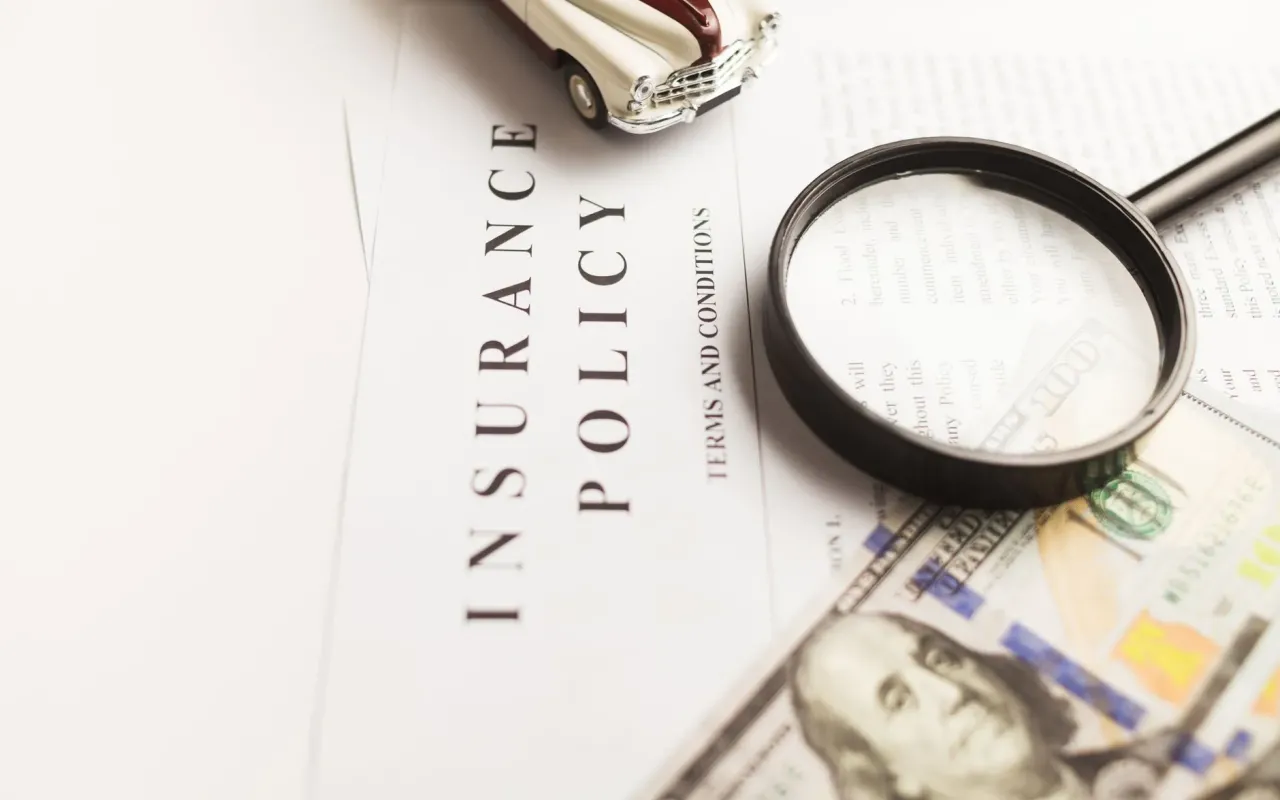
Car insurance costs are climbing. These eight practical, proven strategies will help you lower your premium without sacrificing the coverage you actually need.
- September 8, 2026
AceShowbiz - You know that sinking feeling. The renewal notice lands in your inbox, you open it, and your car insurance premium has jumped another 12%—even though you haven't had a single ticket or accident in years. You're not imagining things. According to the Bureau of Labor Statistics, car insurance rates have surged over 19% in the past year alone, far outpacing overall inflation. For the average driver paying around $2,300 annually, that's nearly $400 more out of pocket than just two years ago.
But here's the thing most people don't realize: insurance companies are betting you'll just pay the higher bill out of habit or convenience. They're counting on your inertia. The truth is, there are several legitimate, straightforward ways to push back and keep that money in your checking account—without slashing your coverage to the legal minimum or taking on risky policies that leave you exposed. Let's walk through the strategies that actually work, based on how insurers price their policies and what you can realistically negotiate.
Stop Overpaying for Coverage You Don't Need
The quickest win isn't shopping around (though that helps)—it's auditing what's actually on your policy. Most drivers have a vague memory of what they signed up for years ago, but they haven't looked at the declarations page since. That single piece of paper lists every coverage, every limit, and every deductible. If you haven't reviewed it in the last twelve months, you're likely carrying coverage that makes no sense for your current situation.
Take collision coverage, for example. This pays to repair or replace your car if you hit another vehicle or object, regardless of fault. But if your car is older and worth less than $4,000 or $5,000, you're paying premiums for coverage that will never pay out more than the car's actual cash value—and that value drops every single month. A good rule of thumb: if your annual collision and comprehensive premium combined is more than 10% of your car's current value, drop those coverages and bank the savings.
Similarly, look at your deductibles. Many people carry a $250 or $500 deductible without thinking about it. Raising your comprehensive and collision deductibles to $1,000 can reduce your premium by 15% to 30% on those portions of the policy. That's a significant chunk of change. The risk is clear—you'll pay more out of pocket if you have a claim—but if you have an emergency fund that can absorb a $1,000 hit, the annual savings usually outweigh the risk.
Actionable takeaway: Pull up your current declarations page right now. Check the actual cash value of your car on Kelley Blue Book or Edmunds. If your car is worth less than $5,000, call your insurer and ask them to remove collision and comprehensive coverage immediately.
Bundle Everything—And Then Ask for More
You've probably heard that bundling your auto and homeowners or renters insurance saves money. It's true, but the standard discount is only part of the story. Insurance companies want you to consolidate as many policies as possible because it makes you a stickier customer—they know you're less likely to shop around if your home, auto, and umbrella policies are all with one carrier. That stickiness is valuable to them, and they're willing to pay for it.
Here's the move most people miss: after you've bundled two policies, ask about additional loyalty or multi-policy discounts. If you have a motorcycle, an RV, a boat, or even a second car, add it to the same carrier. Each additional policy can unlock a tiered discount that goes beyond the basic bundle. Some insurers offer up to 25% off your auto premium when you have three or more policies in place.
But bundling isn't just about adding policies—it's about leverage. Once you have your home and auto together, you have real negotiating power. Call your insurer and tell them you've received a competitive quote from another company that's $300 cheaper. Ask if they can match it or offer additional discounts to keep your business. Retention departments have flexibility that standard customer service reps don't always advertise. Be polite but firm, and don't be afraid to name a specific number.
Actionable takeaway: If you're renting, even a renters policy costs around $15 a month. Bundling it with your auto insurance typically saves more than that on your car premium alone, making the renters coverage effectively free—while also protecting your belongings.
Mine Every Discount You Qualify For
Insurance companies offer a dizzying array of discounts, but they rarely volunteer them. You have to ask. The most commonly overlooked ones include the good-student discount (for drivers under 25 with a B average or better), the defensive-driving course discount (which applies to drivers of any age in most states), and the low-mileage discount (if you drive less than 7,500 to 10,000 miles a year).
Think about your actual habits. Do you work from home? Telecommuting can qualify you for a significant discount because your car spends more time parked than on the road. Are you a member of certain professional organizations, alumni associations, or even credit unions? Many insurers have negotiated group rates with these organizations that offer between 5% and 15% off. The list of eligible groups is often buried in the fine print, so call your insurer and ask them to review your file for any applicable affiliations.
Also, don't overlook the paperless and auto-pay discounts. They're small—usually $5 to $10 per policy period—but they add up. More importantly, ask about the paid-in-full discount. If you can pay your six-month or annual premium in one lump sum, many insurers will knock off 8% to 10% because they're avoiding the cost of billing you monthly and the risk of missed payments.
Actionable takeaway: Before your next renewal, call your insurer and say these exact words: "Can you please run a full discount audit on my policy? I'd like to make sure I'm getting every discount I qualify for." Then list the situations above and ask specifically about each one.
Shop Around Every Six to Twelve Months
Loyalty is a beautiful thing in friendships, but it's a financial liability when it comes to insurance. The reality is that insurance companies use a practice called "price optimization"—they analyze how likely you are to switch carriers and adjust your premium accordingly. If you've been with the same company for five years without complaint, their data suggests you're not going anywhere, and they have little incentive to keep your rate competitive.
New customer discounts are real and substantial. Insurers frequently offer 20% to 30% off for the first policy term to win your business. That means switching carriers every year or two can keep you in a perpetual "new customer" status, always enjoying the promotional rate. The process is easier than most people think. You can get quotes online in under fifteen minutes from companies like Geico, Progressive, and State Farm, or use an independent agent who can pull quotes from multiple carriers at once.
One critical caveat: make sure you're comparing identical coverage. When you get a cheaper quote, check that the liability limits, deductibles, and coverage types match your current policy. A quote that's $400 cheaper with only half the liability coverage isn't actually cheaper—it's just less protection. Use your current declarations page as the baseline and ask each new insurer to match those exact terms.
Actionable takeaway: Set a recurring calendar reminder for every six months. On that day, spend thirty minutes getting quotes from three different carriers using your exact current coverage. If you find a better price, switch. If not, call your current insurer and tell them you've shopped around—they may match the best quote you found.
Improve Your Credit Score to Lower Your Rate
Here's a fact that surprises most drivers: in most states, insurance companies use your credit-based insurance score to determine your premium. This isn't the same as your standard FICO score, but it's heavily influenced by the same factors—payment history, outstanding debt, credit history length, and new credit applications. Studies by the Federal Trade Commission have confirmed that drivers with poor credit pay significantly more for car insurance than those with good credit, even when they have identical driving records.
So what does this mean for you practically? If your credit score has improved over the past year—maybe you paid off a credit card or settled an old collection—your insurance premium should reflect that. But it won't automatically. Insurers typically pull your credit score at renewal, but they don't always re-run it unless you ask. Call your insurer and request a credit-based insurance score review. If your score has gone up, you could see an immediate drop in your premium.
If your credit is still a work in progress, focus on the basics: pay your bills on time, keep your credit card balances below 30% of your limits, and avoid opening new lines of credit in the months before you shop for insurance. Even modest improvements in your credit score can translate to meaningful savings. According to one analysis, raising your credit score from "fair" to "good" could cut your annual premium by more than $300.
Actionable takeaway: Check your credit score for free through a service like Credit Karma or your bank's app. If it's above 700 and you haven't had a recent insurance credit review, call your insurer and ask for one. If your score is below 650, focus on paying down revolving debt before your next renewal period.
Consider Usage-Based Insurance If You Drive Less
Telematics programs—where your insurer monitors your driving through an app or a small device plugged into your car—have gotten a bad rap over the years. Early versions were intrusive and sometimes penalized drivers unfairly. But the technology has matured significantly, and for the right driver, these programs can deliver substantial savings.
Programs like Progressive's Snapshot, State Farm's Drive Safe & Save, and Allstate's Drivewise track your mileage, braking patterns, acceleration, and the times of day you drive. If you're a safe driver who keeps reasonable hours and doesn't have a lead foot, you can save between 10% and 30% on your premium. The most significant factor is simply how much you drive. If you're commuting less than ten miles each way or working from home, your low mileage alone can trigger the maximum discount.
The key is honesty with yourself about your driving habits. If you regularly drive aggressively, speed on the highway, or do most of your driving in heavy stop-and-go traffic, a telematics program might actually raise your rate at renewal. But if you're a calm, predictable driver, the potential savings are worth the privacy trade-off for most people. The data collected is generally limited to driving behaviors—not your location history or destinations—though you should read the privacy policy carefully before enrolling.
Actionable takeaway: If you drive fewer than 10,000 miles per year or have a commute under fifteen minutes, call your insurer and ask about their usage-based program. Ask specifically what discount you'd get for your estimated annual mileage before you commit.
Lowering your car insurance isn't about gambling with your coverage or jumping through hoops. It's about being an informed consumer who understands how the system works. You have more leverage than you think. The insurers are counting on you not using it. The $400 difference between a lazy renewal and a proactive one is real money—money that could fund a weekend away, pad your emergency savings, or simply ease the sting of rising costs everywhere else. Pick one strategy from this list and act on it this week. Then pick another next month. Your wallet will notice the difference.