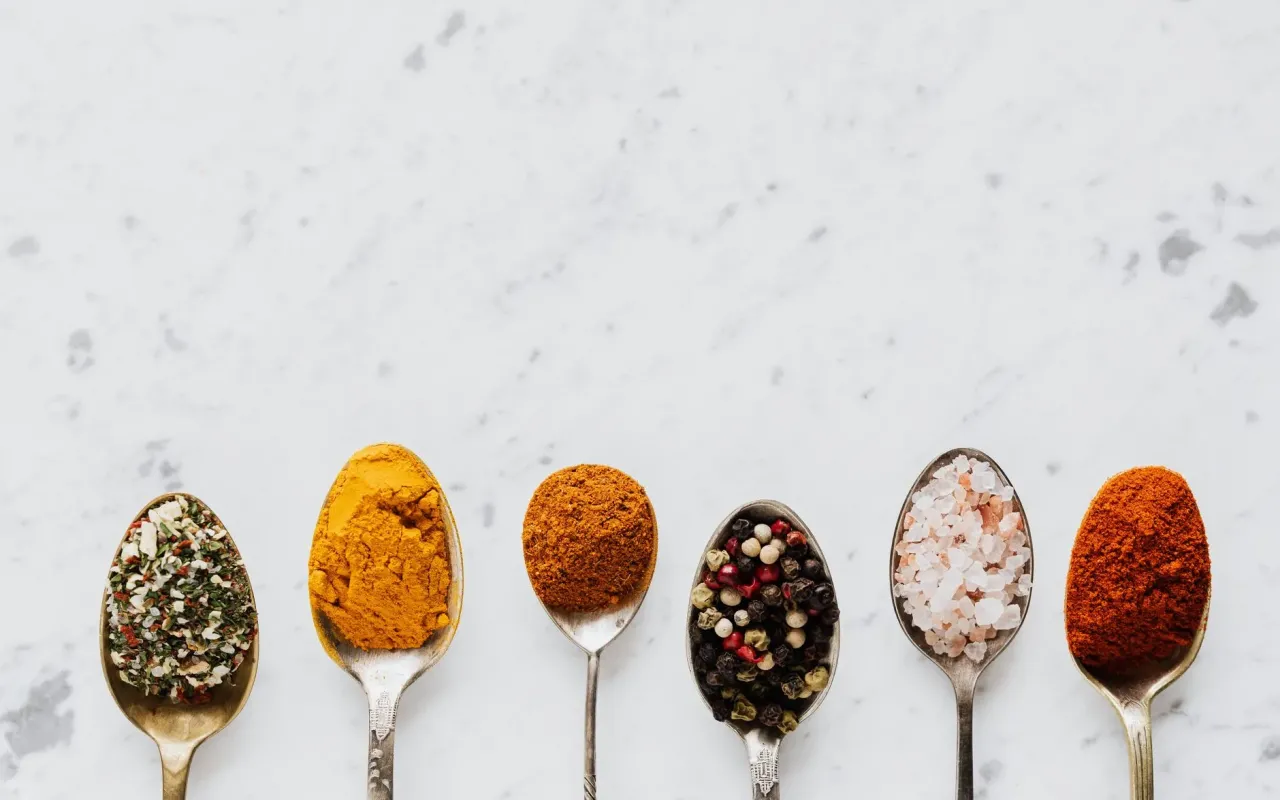
Stop guessing which spices go together. This guide covers 7 foolproof combos, from garam masala to za'atar, with real-world tips for better cooking.
- July 7, 2026
AceShowbiz - You know that moment when you open your spice cabinet and stare at 20 jars, hoping something magical will happen? I've been there too—standing in my kitchen at 7 PM, wondering why my chili tastes flat even though I added "all the right spices." The problem isn't the spices themselves; it's how you pair them.
Most home cooks treat spices like solo artists—cumin here, paprika there—but the real magic happens when you combine them intentionally. Think of it like a band: cumin provides the bass, coriander adds the rhythm, and cayenne gives that lead guitar punch. When you understand which spices naturally complement each other, you stop guessing and start cooking with confidence.
Why Most Spice Combinations Fall Flat (And How to Fix It)
The biggest mistake I see home cooks make is using too many spices without understanding their roles. You don't need 12 different spices to make something taste good—you need the right 3 or 4 that work together harmoniously. A 2019 study in the journal Appetite found that dishes with 3-4 well-paired spices scored significantly higher in flavor preference than those with 6+ random additions.
Here's the practical fix: think in terms of "base, body, and finish." Your base spice (like cumin or coriander) provides the foundation. The body spice (like smoked paprika or turmeric) adds depth and color. The finish spice (like cayenne or black pepper) brings heat or brightness. This three-tier approach prevents you from dumping random spices and hoping for the best.
For example, when making a simple black bean soup, start with cumin as your base, add smoked paprika as your body, and finish with a pinch of cayenne. That's it. Three spices, one cohesive flavor profile. No confusion, no wasted ingredients, just reliable results every time.
The Golden Rules of Spice Pairing (Learn These First)
Rule 1: Fat Carries Flavor, So Use It Wisely
Spices are fat-soluble, which means they need oil, butter, or ghee to release their full potential. Dry-toasting spices in a pan is effective, but blooming them in hot oil takes things to another level. When you add cumin seeds to hot oil, they pop and release volatile compounds that water can't extract. This is why Indian cooking always starts with a tadka—spices bloomed in ghee or oil.
Practical tip: For any spice combination, heat 1-2 tablespoons of oil or butter over medium heat, then add your whole spices first (like mustard seeds or cumin seeds) for 30 seconds, followed by ground spices for another 15 seconds. This simple step transforms bland into bold.
Rule 2: Balance Heat, Sweetness, and Earthiness
Every great spice combination hits at least two of these three notes. Heat comes from chili, black pepper, or ginger. Sweetness comes from cinnamon, nutmeg, or cloves. Earthiness comes from cumin, coriander, or turmeric. If your dish feels one-dimensional, you're missing one of these elements.
Example: A classic pumpkin pie spice works because cinnamon (sweet) balances with ginger (heat) and nutmeg (earthy). Without the ginger, it's cloying. Without the nutmeg, it's flat. This same principle applies to savory cooking—add a pinch of cinnamon to your chili and see how it rounds out the heat.
7 Foolproof Spice Combinations You'll Use Weekly
1. Cumin + Coriander + Turmeric (The Golden Trio)
This is the workhorse combo for any cuisine that needs warmth without overwhelming heat. Cumin provides smoky depth, coriander adds citrusy brightness, and turmeric brings earthy color. Use it for roasted vegetables (especially cauliflower and sweet potatoes), lentil soups, or scrambled eggs. The ratio: 2 parts cumin, 2 parts coriander, 1 part turmeric.
Why this works: Coriander's floral notes cut through cumin's heaviness, while turmeric ties them together with subtle bitterness. I use this combo at least three times a week—most recently on roasted chickpeas with a squeeze of lemon. It's forgiving enough for beginners but complex enough for experienced cooks.
2. Smoked Paprika + Garlic Powder + Oregano (The Mediterranean Base)
This trio mimics the flavor profile of Spanish and Greek cooking without requiring 15 ingredients. Smoked paprika gives that charred, fire-roasted taste; garlic powder adds savory punch; oregano brings herbal freshness. Use it for grilled chicken, roasted potatoes, or tomato-based sauces.
Practical tip: Bloom the smoked paprika in olive oil before adding other ingredients. This releases its smoky compounds and prevents the raw, dusty taste that sometimes happens when you add it dry. For a quick weeknight dinner, toss chicken thighs with this combo, olive oil, and salt, then roast at 400°F for 30 minutes.
3. Cinnamon + Cumin + Black Pepper (The Unexpected Pairing)
Don't save cinnamon only for desserts. When paired with cumin and black pepper, it adds warmth and complexity to savory dishes. This combo works beautifully in Moroccan-inspired tagines, sweet potato soup, or even chili. The key is using cinnamon sparingly—1/4 teaspoon to 1 tablespoon of cumin.
The science behind this: Cinnamon contains cinnamaldehyde, which binds to the same taste receptors as heat, creating a perceived warmth without actual spiciness. Black pepper's piperine amplifies this effect, making the dish feel richer and more satisfying. Try it in your next batch of black beans and you'll never go back.
4. Garam Masala + Cumin + Chili Flakes (The Quick Curry Fix)
Garam masala is already a blend, but it needs a boost to become a complete curry base. Adding cumin deepens the earthiness, while chili flakes provide the heat that garam masala often lacks. Use this combo for quick weeknight curries, stir-fried vegetables, or even sprinkled over popcorn for a spicy snack.
Why this matters: Most store-bought garam masala is heavy on cinnamon and cloves but light on heat and depth. By adding cumin and chili, you create a balanced curry profile without buying 8 separate spices. For a 20-minute dinner, sauté onions and garlic, add this combo, then stir in canned tomatoes and chickpeas. Serve with rice.
5. Fennel Seeds + Black Pepper + Lemon Zest (The Pork & Fish Specialist)
Fennel seeds have a licorice-like sweetness that pairs perfectly with fatty meats and delicate fish. Black pepper adds necessary heat, while lemon zest cuts through the richness. Grind the fennel seeds and black pepper together, then mix with lemon zest just before cooking. Use it for pork chops, salmon, or roasted fennel bulbs.
Real-world example: I rub this combo on thick-cut pork chops with olive oil and let them sit for 15 minutes before grilling. The fennel seeds caramelize slightly, creating a crust that's both sweet and savory. It's a restaurant-quality result from three pantry staples.
6. Cardamom + Cinnamon + Nutmeg (The Warm Dessert Trinity)
This is your go-to for anything sweet that needs complexity beyond plain cinnamon. Cardamom adds floral, almost minty notes; cinnamon provides warmth; nutmeg brings nutty depth. Use it for oatmeal, baked apples, coffee rubs for meat, or even stirred into hot chocolate.
Pro tip: Grind whole cardamom pods fresh if possible—pre-ground cardamom loses its punch within weeks. For a quick upgrade, sprinkle this combo on your morning oatmeal along with a pinch of salt. The salt balances the sweetness and makes the spices pop.
7. Za'atar + Sumac + Sesame Seeds (The No-Cook Flavor Bomb)
This trio requires no cooking—just mixing. Za'atar (a blend of thyme, sesame, and sumac) provides herbal notes; sumac adds tartness; sesame seeds bring nutty crunch. Use it as a finishing sprinkle on hummus, roasted vegetables, eggs, or flatbread with olive oil.
Why it works: Sumac's acidity replaces lemon juice in dishes where liquid would make things soggy. This combo is especially useful for meal prep—sprinkle it on roasted vegetables right before serving to add freshness that lasts. Keep a jar of this mix on your counter for instant flavor upgrades.
How to Build Your Own Spice Combinations (The Method)
Once you've mastered these seven combos, you can start creating your own. The formula is simple: choose one spice from each category below, then adjust ratios to taste. Start with equal parts and tweak from there.
- Base (1-2 tsp): Cumin, coriander, fennel seeds, mustard seeds
- Body (1 tsp): Smoked paprika, turmeric, garam masala, chili powder
- Finish (1/4-1/2 tsp): Cayenne, black pepper, cinnamon, cardamom, nutmeg
- Fresh element (add at end): Lemon zest, fresh herbs, sumac, za'atar
For example, if you're making roasted carrots, your base could be cumin (earthy), your body could be smoked paprika (sweet smoke), your finish could be cinnamon (warmth), and your fresh element could be sumac (tang). Taste as you go—add more finish if you want heat, more base if you want depth.
The beauty of this system is that it works for any cuisine. Swap cumin for fennel in Italian dishes, or replace smoked paprika with turmeric for Indian flavors. The structure stays the same, but the results change completely.
Storage Tips That Keep Your Spices Potent
Even the best spice combinations fail if your spices are old. Ground spices lose their potency after 6-12 months, while whole spices last 2-3 years. Store them in airtight containers away from heat, light, and moisture—your spice cabinet should not be above your stove.
Practical test: Rub a pinch of cumin between your fingers and smell it. If it smells like dust or nothing, it's dead. Replace it. I keep a sharpie on my spice cabinet and write the purchase date on every jar. When you've had a spice for over a year, it's time to say goodbye.
For whole spices, invest in a cheap coffee grinder dedicated to spices. Grind only what you need for each recipe—the difference between pre-ground cumin and freshly ground is night and day. This single habit will improve your cooking more than any recipe book.
Final Thoughts: Stop Overcomplicating It
The best spice combination is the one you'll actually use. Start with the Golden Trio (cumin, coriander, turmeric) and the Mediterranean Base (smoked paprika, garlic powder, oregano). Master those two combos, and you'll have the foundation for 80% of your cooking. Add one new combo every month, and within a year, you'll have a repertoire that rivals any restaurant kitchen.
Remember: spices are tools, not magic. You don't need 30 different jars to cook well—you need 8-10 that you know how to pair. Next time you're staring at your spice cabinet, pick three spices that follow the base-body-finish rule, bloom them in oil, and taste the difference. Your taste buds will thank you.