HBO's new crime dramedy. A suburban affair app leads to murder. Starring Bateman, Harbour, and Cardellini. Secrets unravel in this darkly comedic miniseries.
- March 23, 2026
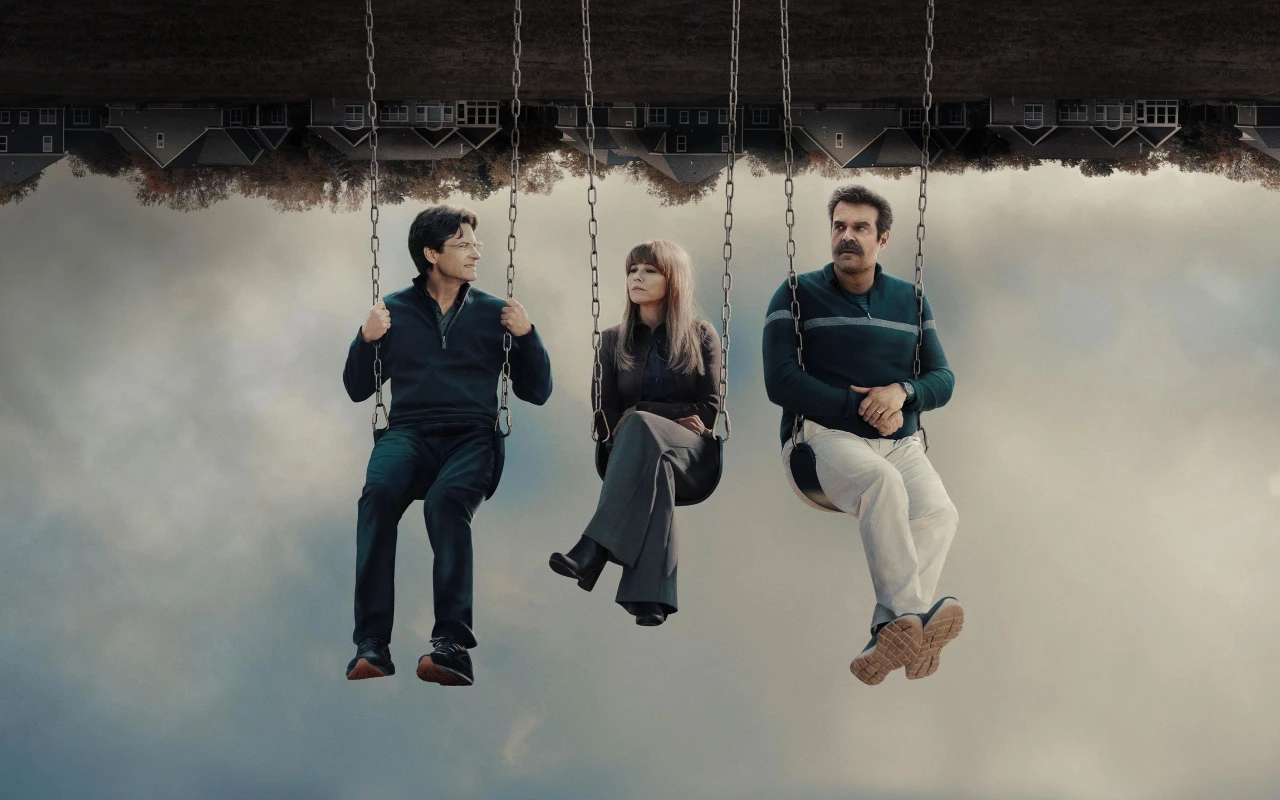
AceShowbiz - DTF St. Louis is HBO’s latest foray into the crime dramedy genre, offering a blend of dark humor and murder mystery set in a quiet suburban town shaken by scandal. The seven-episode miniseries stars Jason Bateman, David Harbour, and Linda Cardellini in a story that explores midlife dissatisfaction, infidelity, and the consequences of secrets gone wrong.
With a premise rooted in the classic theme of middle-aged characters wrestling with temptation and discontent, DTF St. Louis draws viewers into a complex narrative that begins with a torrid affair and spirals into a murder investigation. The show follows three central figures: Clark, a seemingly perfect meteorologist played by Bateman; Floyd, a restless sign language interpreter portrayed by Harbour; and Carol, Floyd’s financially strained wife, brought to life by Cardellini.
Clark and Floyd’s mutual use of an affair-seeking app called “DTF St. Louis” sets the stage for a tangled web of relationships that culminates in one of the trio’s deaths. The series opens with the crime and then shifts between past and present through a series of flashbacks and flashforwards, skillfully juxtaposing comedic moments with suspenseful investigation scenes.
The show’s strongest suit is its dark comedic tone, which infuses the flashbacks with biting humor and sharp dialogue. The series excels at turning familiar tropes, such as the love triangle, into something fresh and engaging, balancing clever writing with well-paced visual gags. Fans of Arrested Development and Horrible Bosses will recognize the style, as the humor is both witty and unapologetically dark.
Jason Bateman brings his signature blend of charm and sleaziness to the role of Clark, a character whose outwardly affable demeanor masks a more complicated and morally ambiguous personality. Bateman’s performance captures the tension between Clark’s outward confidence and his deeper vulnerabilities, making him a compelling figure whose true intentions remain uncertain throughout the series.
David Harbour, fresh from recent hits like Stranger Things and his MCU appearances, takes on the role of Floyd with a nuanced approach that blends insecurity and flawed humanity. Harbour’s portrayal of a man grappling with dissatisfaction and temptation lends a tragicomic edge to the character, making Floyd both relatable and deeply flawed. His chemistry with Bateman enriches the dynamic between their characters, highlighting their contrasting personalities.
Linda Cardellini rounds out the trio with a standout performance as Carol, whose financial struggles and deadpan humor add depth to the show’s darkly comedic atmosphere. Cardellini’s role showcases her ability to balance humor with emotional complexity, making Carol an integral part of the series’ narrative fabric. A recurring joke about her side job adds levity while hinting at the pressures that drive her character’s actions.
Despite its many strengths, DTF St. Louis struggles somewhat with its murder mystery aspect. While the flashbacks brim with humor and character-driven moments, the investigative sequences tend to lose momentum, bogged down by repetitive interrogations and a less developed detective subplot. Detectives Homer and Jodie, played by Richard Jenkins and Joy Sunday respectively, contribute solid performances but their storyline lacks the sharpness and energy seen elsewhere in the series.
The mystery components, unfolding through a series of flashforwards, provide essential narrative tension but do not quite reach the same level of engagement as the comedic flashbacks. The investigation feels formulaic at times, and the pacing slows as the detectives revisit suspects and clues without delivering a strong, satisfying progression. However, the beautiful cinematography and the chemistry among the cast help maintain viewer interest during these stretches.
Another point of uncertainty is whether the show will deliver a conclusive and satisfying resolution by the finale, as the full series had not yet aired at the time of review. This leaves audiences anticipating how the balance of dark comedy and mystery will ultimately be resolved.
Overall, DTF St. Louis is a compelling addition to HBO’s lineup, particularly for those who appreciate dark humor intertwined with drama. The series’ highlights are undoubtedly the performances from Bateman, Harbour, and Cardellini, whose portrayals elevate the material and provide a compelling reason to keep watching. Their complex characters, combined with the show’s sharp writing and tone, make DTF St. Louis an engaging watch despite some unevenness in the mystery elements.
For fans of shows that blend awkward, biting humor with moments of genuine pathos—similar to Curb Your Enthusiasm or It’s Always Sunny in Philadelphia—DTF St. Louis offers a fresh take on suburban malaise and the consequences of desire. It captures the discomfort and absurdity of middle-aged crises without losing sight of the darker stakes involved.
The series is set to premiere on March 1, 2026, on HBO Max, giving audiences a new weekly option for binge-worthy, cleverly crafted television. While it may not completely reinvent the dark comedy or crime genres, DTF St. Louis successfully combines elements of both to create a grim yet humorous narrative that’s worth exploring.
In summary, DTF St. Louis is a show that shines brightest when it leans into its darkly comedic roots and the rich performances of its leads. Though its murder mystery subplot feels somewhat conventional and occasionally drags, the overall experience remains engaging thanks to the series’ tone, writing, and cast. HBO has delivered another nuanced and entertaining miniseries that viewers looking for a mix of humor and suspense should consider adding to their watchlist.