Sergio Corbucci's 1968 masterpiece, The Great Silence, redefines the Spaghetti Western. A bleak, snow-covered world, no heroes, and a gut-punching, unforgett...
- December 7, 2025
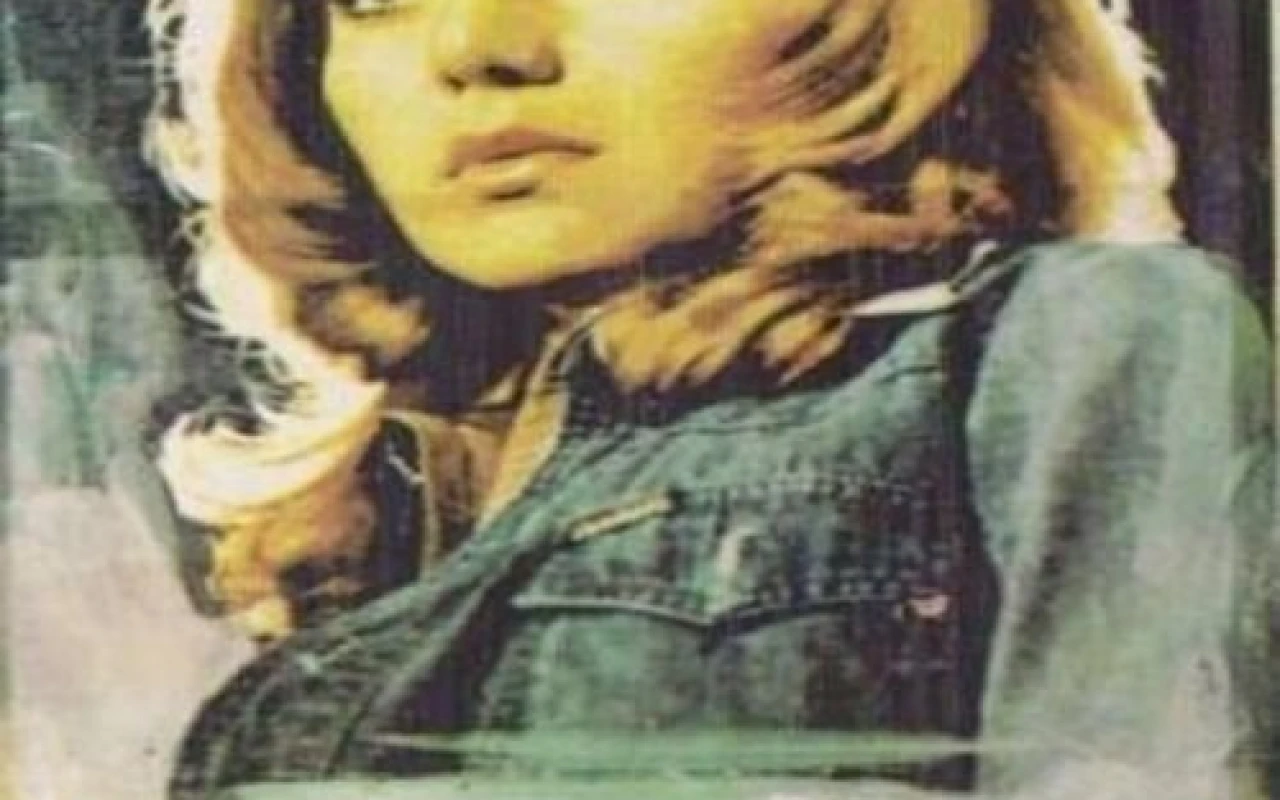
AceShowbiz - In the vast canon of Western cinema, few films stand out with the chilling prescience of The Great Silence. Released in 1968, this masterpiece from director Sergio Corbucci, the visionary behind 1966's iconic Django, isn't merely a Spaghetti Western; it's a stark, snow-covered premonition. Far from sun-drenched sagas of noble cowboys, The Great Silence plunges viewers into an utterly merciless and unforgiving world. Corbucci stripped away morality, leaving a bleak landscape where the human soul often proves colder than the relentless blizzard. Here, there are no white-hatted heroes or righteous lawmen—only bounty killers, a mute avenger, and an ending that resonates with a gut-punching force over five decades later. This film doesn't offer comfort; it challenges you to confront its harsh reality.
Most Westerns, whether American or Italian, traditionally thrive on tropes of blistering heat, swirling dust, and expansive, sun-baked skies. The Great Silence audaciously defies this expectation, freezing it solid. The narrative unfolds not in a parched desert, but within a small, isolated Utah town utterly consumed by a brutal winter. The omnipresent, blinding white of the snow transforms into a deadly, suffocating trap, engulfing not just the landscape and its inhabitants, but also the very concept of sound. It’s as if nature itself is holding its breath, a silent witness to tragedy, making the environment an active, oppressive force.
Corbucci masterfully weaponizes this pervasive cold. Where a director like Sergio Leone would frame faces against fiery sunsets, Corbucci employs stark, white silence to flatten everything. Even Silence, the film's protagonist—portrayed with quiet, intense power by Jean-Louis Trintignant—is far from the slick, swaggering cowboy. He never utters a single word, his entire presence defined by this profound absence of sound. In a genre built upon grand speeches and verbal showdowns, Corbucci presents a hero who communicates solely through the mechanical click of a hammer cocking back. Yet, Silence isn't a conventional Hero; he is an avenger, a figure of resistance, but ultimately, not a savior in a world too brutal to be redeemed.
The film's unflinching portrayal of its characters further cements its legacy as a prophetic Western. The true villains often operate under the veneer of official authority, blurring the lines between justice and savagery. Figures like Klaus Kinski's menacing bounty hunter, Loco, exemplify the ruthless pragmatism dominating this frozen frontier. The Great Silence, through its bleak vision and moral ambiguity, dared to challenge the romanticized notions of the Old West, forecasting the grittier, more complex narratives that would define modern Westerns for decades. Its impact lies not just in its unique aesthetic, but in its courage to expose the darkness at the heart of humanity.