Is the MCU dictating Marvel Comics' creative path? Explore concerns that cinematic success overshadows comic book independence & character essence.
- November 25, 2025
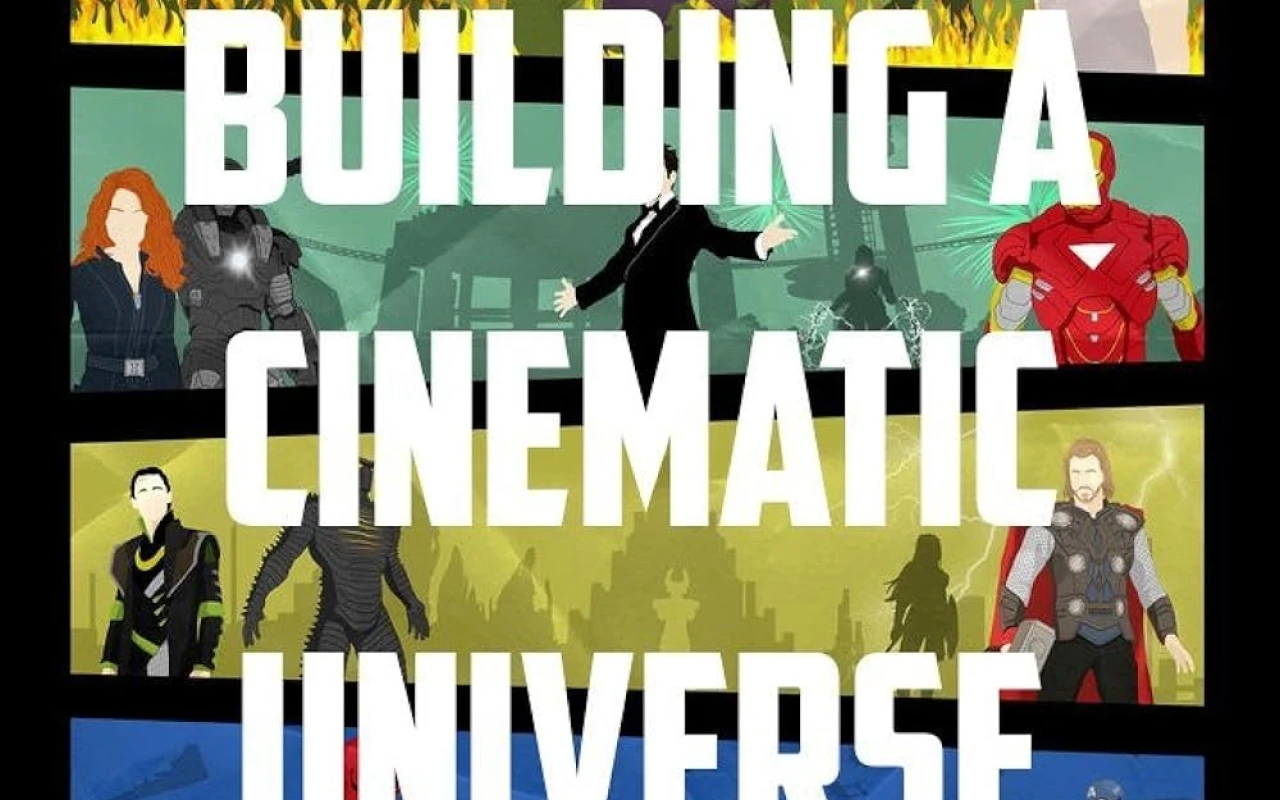
AceShowbiz - The relationship between Marvel Cinematic Universe and its comic book origins is undeniably complex. While the MCU has achieved unprecedented global success, elevating the Marvel brand to stratospheric heights, a growing sentiment among readers suggests that Marvel Comics may be increasingly overshadowed. There's a palpable concern that the creative direction and even the very essence of beloved characters in the comics are being dictated by the demands and narrative choices of the cinematic universe, rather than forging their own independent paths.
For years, Marvel Comics thrived as a vibrant, standalone universe, a fantastical mirror to the real world as envisioned by legendary creators like Jack Kirby and Stan Lee. The early phases of the MCU were celebrated for their faithful adaptation of these iconic figures, serving as a perfect gateway for new fans into the rich tapestry of Marvel lore. However, as the MCU evolved into a multi-billion dollar enterprise, its financial dominance over Marvel Comics became starkly evident. The film division now represents the primary revenue stream for the company, effectively shifting the comics' position from the creative apex to a supporting role within a much larger, revenue-driven machine. This commercial reality inevitably influences creative decisions on the page.
The challenge for Marvel Comics lies in navigating this dynamic. While it must, of course, leverage the immense popularity of the MCU, there's a delicate balance to strike. Critics argue that when the comics strive too hard to mimic or align with on-screen narratives, they risk losing their unique voice and identity. Conversely, the most acclaimed comic runs often emerge when they offer a distinct, compelling alternative to their cinematic counterparts, exploring different facets of characters or entirely new storylines that the movies might never touch. This divergence allows the comics to remain a fresh, innovative space, rather than simply a promotional tool for upcoming films.
One frequently cited example of this creative tension is the character of Quicksilver. His portrayal and ultimate fate in the MCU are believed by many fans to have had a detrimental ripple effect on his comic book trajectory. A character with a long and storied history in the comics, Quicksilver's narrative arc on the page has, at times, seemed to struggle for direction or relevance following his cinematic depiction. This illustrates how high-level decisions made for the silver screen can inadvertently impact the rich legacy and future potential of characters within their original medium. The ongoing debate highlights the crucial need for Marvel Comics to rediscover and assert its own creative autonomy, ensuring its heroes continue to evolve authentically, independent of their cinematic reflections.