Cameron Crowe's "The Uncool" explores his rock journalism with Bowie & Zeppelin, and his undercover year that inspired Fast Times at Ridgemont High.
- October 25, 2025
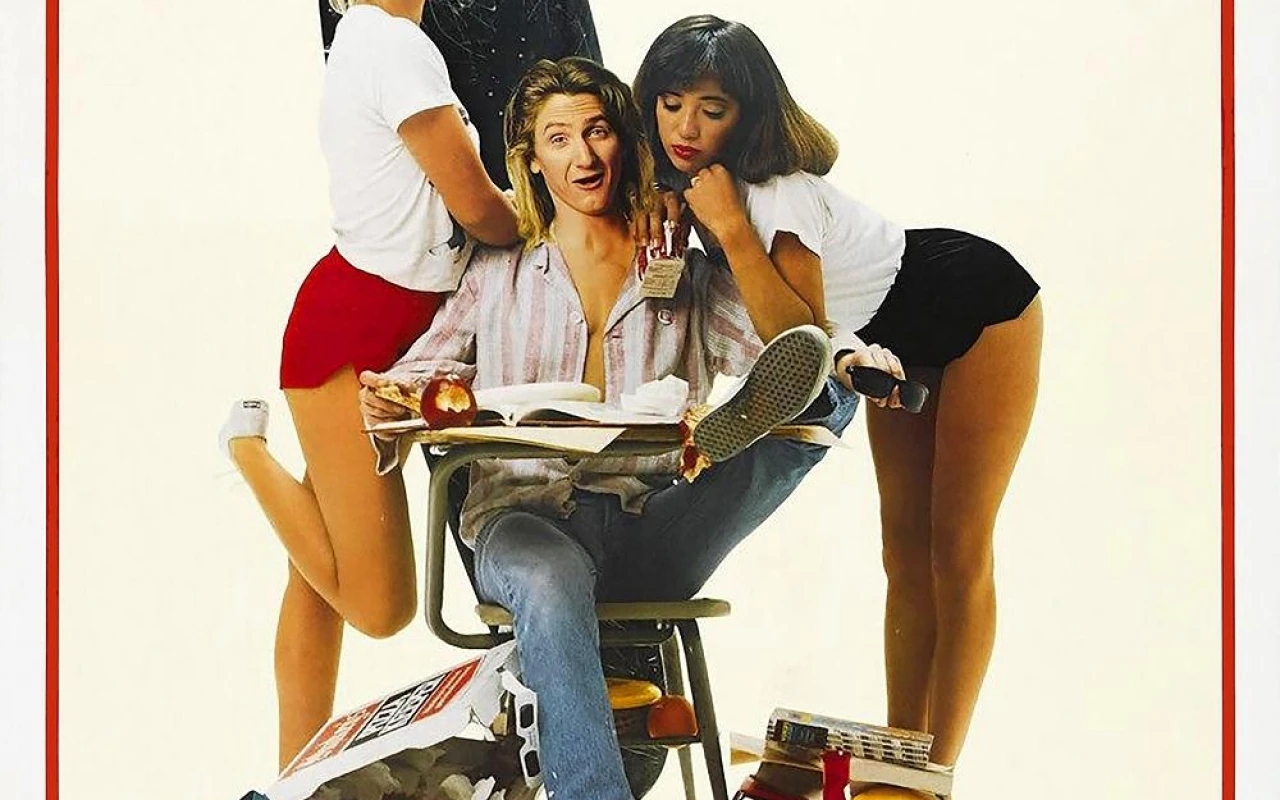
AceShowbiz - Cameron Crowe’s new memoir, The Uncool, offers a compelling journey through his early career, from a prodigious rock journalist for Rolling Stone to an emerging voice in Hollywood. The book immerses readers in his experiences capturing the vibrant 1970s rock scene with legends like David Bowie, Led Zeppelin, and Joni Mitchell. Crucially, it also details the surprising origins of one of his most enduring works: Fast Times at Ridgemont High.
Following his tenure in music journalism, Crowe embarked on an extraordinary project. He spent a year undercover, posing as a student at a San Diego high school. This immersive endeavor aimed to document the authentic, often unseen, lives of teenagers – an experience he felt he had missed himself. The extensive research from this period laid the groundwork for what would eventually become both a bestselling book and, famously, a groundbreaking film.
Despite the wealth of material, the transition from raw observations to a cohesive narrative proved arduous. Crowe recalls feeling overwhelmed, describing his initial manuscript as "all trees and no forest," a collection of stories without a unifying structure. The breakthrough came with family involvement. Reading chapters aloud to his parents, it was his mother who suggested dividing the sprawling narratives into succinct chapters. This collaborative effort transformed the writing process into a "family endeavor," helping Crowe sculpt his year of research into a compelling story.
Initially titled Stairway to Heaven, a tribute to a planned Led Zeppelin tour, the manuscript faced a harsh reception in New York. A senior editor, dubbed the "Warrior King" of publishing, delivered a scathing review: "I don’t know what it is. But I know what it’s not—it’s not Catcher in the Rye." This critical blow could have been fatal, but the manuscript eventually landed with a younger editor, Susan Bolotin. She recognized its fresh voice and unexpected humor, becoming the book’s essential champion.
The path to print included a crucial title change. Concerns arose that Stairway to Heaven would be confused with a 1939 movie. Thus, the now-iconic title, Fast Times at Ridgemont High, was born. Upon receiving the first hardcover copies, Crowe performed a deeply personal act: he packaged one with a heartfelt letter and sent it to J. D. Salinger's reclusive post office box in Vermont. This poignant gesture underscored the profound literary influences shaping his own storytelling, ultimately revealing The Uncool as a fascinating look at the creative crucible behind Fast Times at Ridgemont High. It highlights Crowe’s journalistic prowess and the personal and editorial struggles that shaped a cultural touchstone, transforming a journalistic experiment into an enduring classic through perseverance, family support, and a champion editor.