Discover Hayao Miyazaki's personal film The Wind Rises, a historical drama exploring creation and destruction.
- October 13, 2025
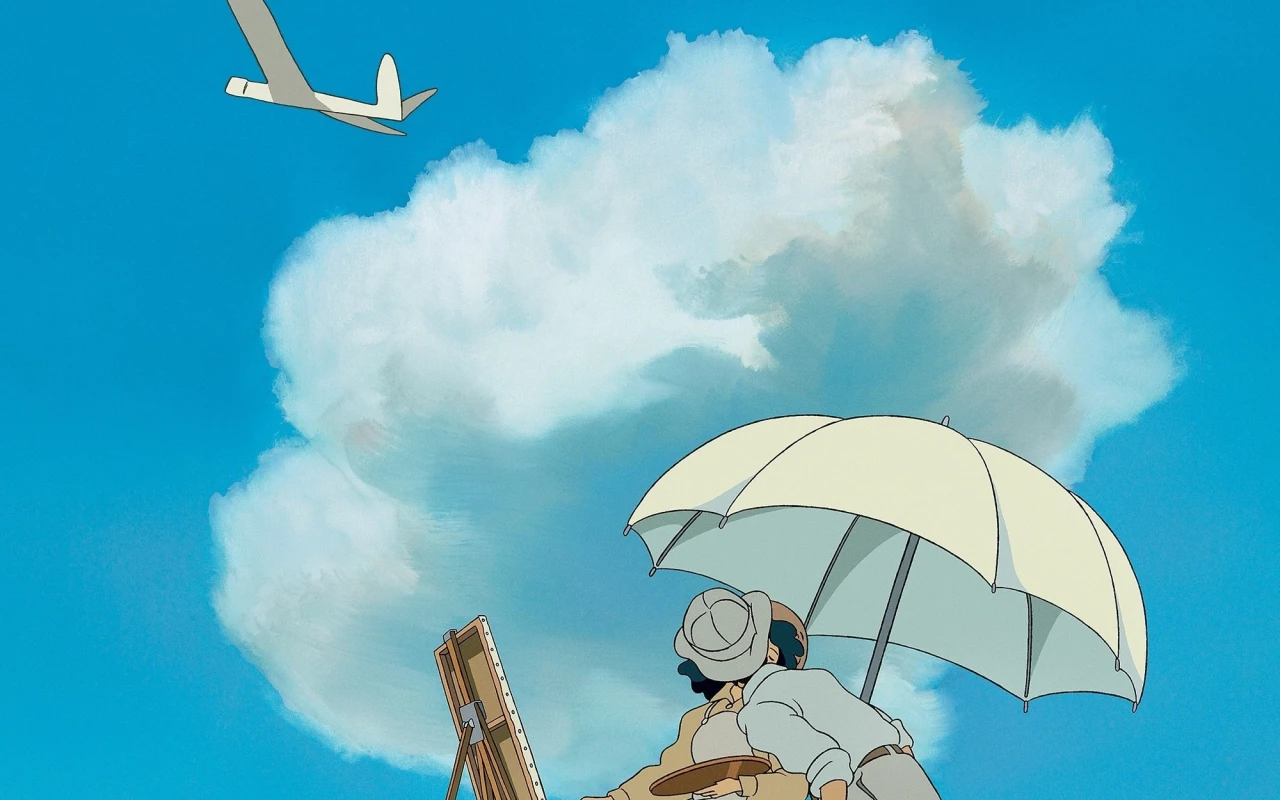
AceShowbiz - Hayao Miyazaki is a renowned filmmaker known for his beautiful and imaginative stories, but his most personal film is arguably The Wind Rises, a historical drama set during World War II. Born during the devastation of WWII, Miyazaki's earliest memories were shaped by displacement and bombing raids, which had a profound impact on his work. Airplanes became both his first sketches and his lifelong obsession, embodying the paradox at the heart of his creative work: symbols of beauty and ingenuity forever tethered to destruction and war.
The Wind Rises is more than just a fictionalized biography of aeronautical engineer Jiro Horikoshi, it's a reflection of Miyazaki's own struggles with the contradiction between creation and destruction. Jiro, like Miyazaki, is near-sighted and unable to pilot the planes he dreams of, instead turning to drawing and engineering blueprints. Both men inherit legacies entwined with war: Jiro designed the Zero fighter, while Miyazaki's father's factory produced its rudders. In Jiro's dreams of elegant flight shattered by bombs, Miyazaki sketches his own struggle: the futility of art caught in history's tide.
The film's tone mirrors Miyazaki's own self-doubt about his work, which is not a difficult line to draw, given his implications that he finds his career futile but cannot stop drawing. The same restlessness haunts Jiro, who vows to retire but continues to create. "The futility of art caught in history's tide" is a theme that resonates deeply with Miyazaki, who has always been fascinated by the relationship between creativity and destruction. For as long as Miyazaki has been alive, the world has been ending, and this sense of instability has imprinted on his imagination, as did the machines that made such destruction possible.
Miyazaki's earliest drawings weren't of people or landscapes, but of airplanes — objects of wonder to a child and instruments of annihilation to the surrounding adults. Aircraft became his visual language, resurfacing across nearly every one of his films. From the rusted airships in Castle in the Sky to the playful gyrocopters of Porco Rosso and the intimidating war machines of Nausicaä of the Valley of the Wind, Miyazaki filled the sky with designs that expressed both longing and fear. Only Princess Mononoke resists this pattern, focusing instead on the exploration of man versus nature. For Miyazaki, flight has always embodied humanity's urge to transcend its limits, and The Wind Rises is a powerful exploration of this theme.