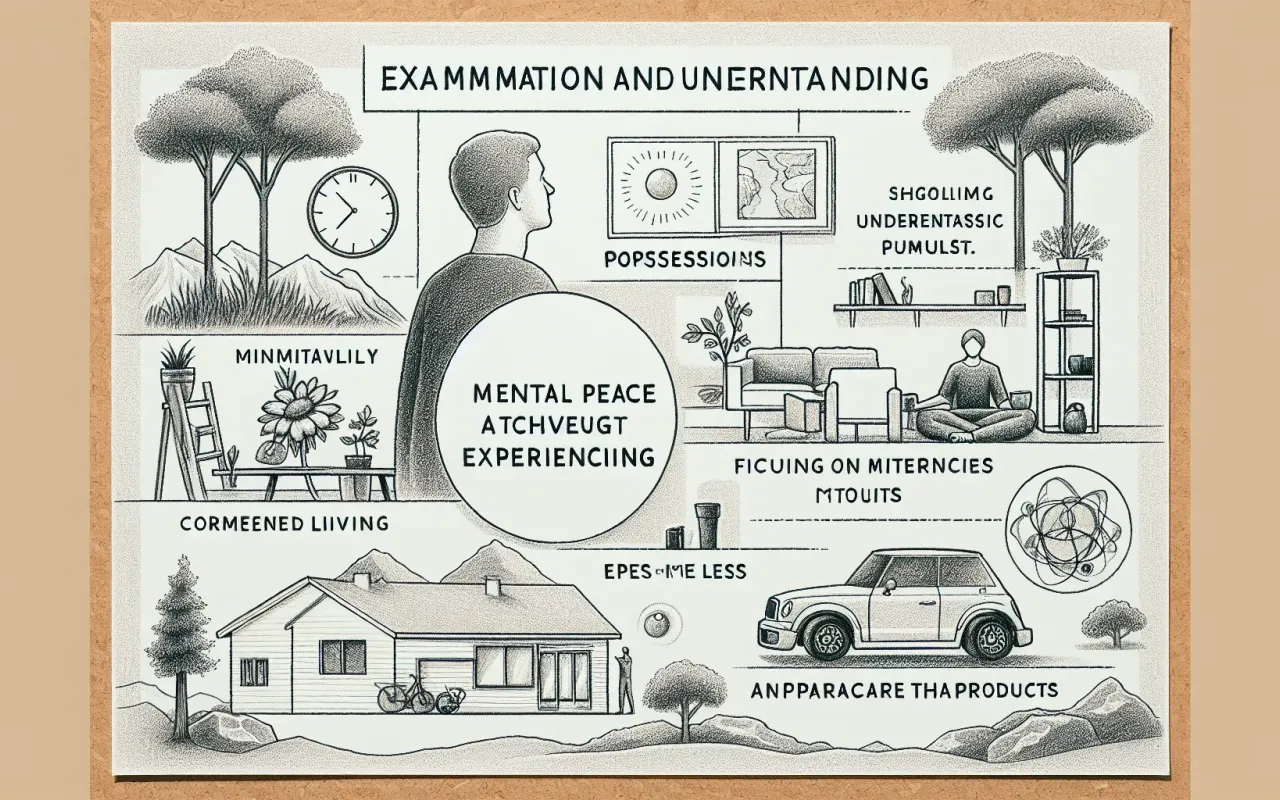
Explore the intentionality behind the minimalist lifestyle and understand why it’s more than a mere trend. Discover practical insights and tips.
- November 29, 2024
The minimalist lifestyle has gained increasing attention in recent years, but what drives people to adopt this way of living? In this article, we explore the intentionality behind the minimalist lifestyle, its benefits, and practical tips for incorporating minimalism into your life.
What is Minimalism?
Minimalism is a lifestyle choice that focuses on reducing material possessions and distractions to make space for what truly matters. It encourages people to live with intention, prioritizing experiences and relationships over the acquisition of physical items.
The Importance of Intentionality in Minimalism
Intentionality is the cornerstone of minimalism. It involves making deliberate choices about what to keep and what to discard, allowing individuals to focus on their values and long-term goals. This concept helps to eliminate clutter, both physical and mental, creating a sense of clarity and purpose.
Mindful Consumption
One of the key aspects of intentionality behind the minimalist lifestyle is mindful consumption. Instead of purchasing items impulsively, minimalists consider the necessity and value of each purchase. This not only reduces clutter but also promotes sustainability and financial health.
The Benefits of a Minimalist Lifestyle
Adopting a minimalist lifestyle can have numerous positive effects on well-being. Below are some essential benefits:
Enhanced Mental Clarity
Reducing physical clutter can significantly improve mental clarity. When you have fewer items, your mind can focus better on important tasks and decisions.
Financial Freedom
By prioritizing intentional spending, minimalists often find themselves saving money and avoiding debt. This financial freedom opens up opportunities for experiences and investments that align with their core values.
Environmental Impact
Minimalism promotes sustainability by encouraging the consumption of fewer resources and advocating for the purchase of higher-quality, longer-lasting items. This reduction in waste and overconsumption greatly benefits the environment.
Implementing Minimalism in Your Life
Transitioning to a minimalist lifestyle requires a shift in mindset and practical changes. Here are some steps to help you get started:
Declutter Your Space
Begin by assessing your belongings and identifying items that no longer serve a purpose. Donate, recycle, or sell these items to create more space and reduce clutter.
Evaluate Your Spending Habits
Examine your spending patterns and identify areas where you can cut back. Focus on purchasing items that add genuine value to your life and align with your intentionality behind the minimalist lifestyle.
Embrace Quality Over Quantity
Invest in high-quality, durable items that will last longer and serve your needs better. This approach not only saves money in the long run but also reduces waste.
Focus on Experiences
Shift your focus from accumulating material possessions to creating meaningful experiences. Travel, spend time with loved ones, and pursue hobbies that bring you joy and fulfillment.
Practice Mindfulness
Incorporate mindfulness practices into your daily routine to stay present and aligned with your intentions. This will help you maintain the minimalist mindset and prevent unnecessary distractions.
Common Misconceptions About Minimalism
Despite its growing popularity, several misconceptions about minimalism persist. Here are a few that need debunking:
Minimalism Equals Deprivation
Many people believe that minimalism means living with as little as possible, leading to a sense of deprivation. In reality, minimalism is about making intentional choices to create a life filled with meaningful possessions and experiences.
Minimalism is Only for the Wealthy
Another misconception is that minimalism is a luxury only the wealthy can afford. While it may involve some initial investments in quality items, minimalism ultimately promotes financial health and can be adopted by anyone, regardless of their income level.
Minimalism is a One-Time Task
Minimalism is not a one-time decluttering project but a continuous lifestyle choice. It requires ongoing effort to maintain intentionality and prevent the accumulation of unnecessary items.
Real-Life Examples of Minimalism
To gain a better understanding of the intentionality behind the minimalist lifestyle, let’s look at some real-life examples:
Successful Entrepreneurs
Many successful entrepreneurs, like Steve Jobs and Mark Zuckerberg, have embraced minimalism. By simplifying their wardrobes and living spaces, they could focus their energy on innovation and creativity.
Families Embracing Minimalism
Families across the world are adopting the minimalist lifestyle to create more meaningful connections and free up time for shared activities. By reducing the number of toys, gadgets, and household items, they foster an environment that prioritizes quality time and experiences.
Artists and Creatives
Many artists and creatives find that minimalism helps them maintain a clear and focused mind, which is crucial for their work. By eliminating unnecessary distractions, they can hone their craft and produce higher-quality art.
Conclusion
The intentionality behind the minimalist lifestyle offers numerous benefits, from enhanced mental clarity and financial freedom to a positive environmental impact. By understanding and embracing the principles of minimalism, you can create a more meaningful, intentional, and fulfilling life. Start with small changes and gradually incorporate these practices into your daily routine, focusing on what truly matters to you.