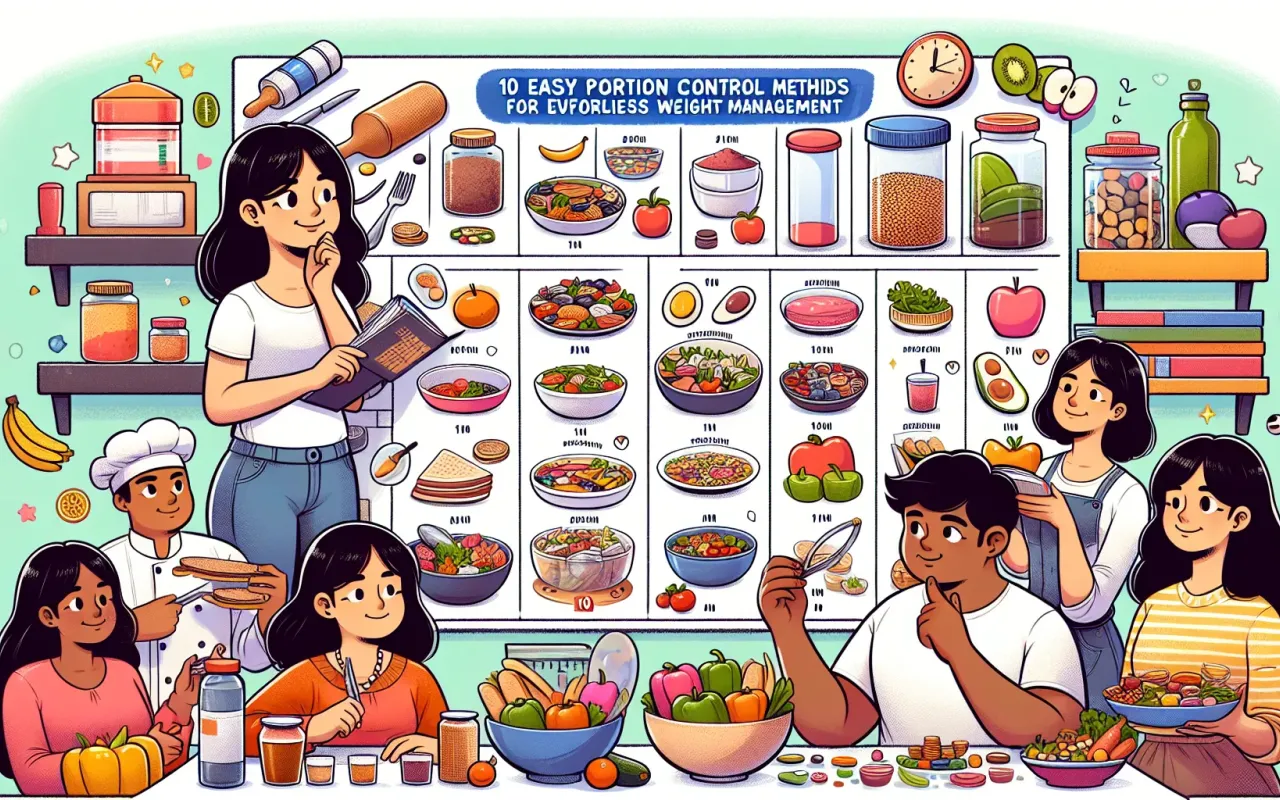
Discover 10 easy portion control methods to help you manage your weight effortlessly. Learn practical tips and strategies to maintain a healthy diet and lifestyle.
- November 26, 2024
AceShowbiz - Maintaining a healthy weight doesn't have to be a daunting task. By incorporating easy portion control methods into your daily routine, you can enjoy your favorite foods while managing your weight effectively. In this article, we'll explore ten practical strategies to help you control your portions and achieve your weight management goals without feeling deprived. Let’s dive in!
1. Use Smaller Plates and Bowls
One of the simplest ways to reduce your portion sizes is to use smaller plates and bowls. When you serve food on a smaller dish, it tricks your mind into thinking you are eating more than you actually are. This process, often termed the Delboeuf Illusion, can effectively reduce the amount of food you consume by making portions appear larger.
2. Read Nutrition Labels
Understanding nutrition labels can empower you to make better food choices. Pay attention to the serving sizes indicated on the packaging, and measure your servings accordingly. This practice helps you become more mindful of the quantities you are consuming and ensures that you are not accidentally overeating.
3. Measure Your Portions
Investing in kitchen tools such as measuring cups, spoons, and a food scale can significantly help in controlling portion sizes. By accurately measuring your food, you get a better understanding of what a standard serving size looks like, which can prevent overeating and help with weight management.
4. Follow the Plate Method
The plate method is a visual guide that helps you balance your meals. Divide your plate into four sections: one-half for vegetables and fruits, one-quarter for lean proteins, and one-quarter for whole grains. This method ensures you are getting a variety of nutrients while controlling portion sizes naturally.
5. Mindful Eating
Mindful eating involves paying attention to your hunger and satiety cues. Eat slowly, savor each bite, and avoid distractions like watching TV or scrolling on your phone while eating. This practice helps you enjoy your meals more and recognize when you are full, preventing overeating.
6. Avoid Eating Directly from Packages
Eating directly from a bag or package can lead to mindless snacking and overeating. Instead, portion out a single serving into a bowl or plate. This method helps you stay aware of how much you’re consuming and reduces the likelihood of overindulgence.
7. Drink Water Before Meals
Drinking a glass of water before meals can help you feel fuller and reduce overall food intake. Sometimes our bodies can misinterpret thirst as hunger, so staying hydrated can prevent unnecessary snacking and aid in portion control.
8. Use Your Hands as a Guide
Your hands can be a helpful tool for estimating portion sizes when measuring cups and scales are not available. For example, a serving of protein should be about the size of your palm, carbs the size of your fist, and fats the size of your thumb. This method offers a quick and convenient way to control portions on the go.
9. Plan Your Meals
Meal planning can take the guesswork out of portion control. By preparing your meals in advance, you can portion out servings and avoid the temptation of overeating. Use these planned meals as a guideline to maintain consistent portion sizes throughout the week.
10. Listen to Your Body
Ultimately, the most crucial aspect of portion control is listening to your body. Pay attention to hunger and fullness cues, and stop eating when you feel satisfied—not stuffed. Developing a healthy relationship with food and understanding your body's needs is key to maintaining a balanced diet and managing your weight effectively.
Conclusion
Implementing these easy portion control methods can transform your approach to eating and weight management. By making small, mindful changes, you can enjoy your favorite foods without overindulging. Remember, the path to better health is not about deprivation but about balance and making informed choices. Start incorporating these tips into your routine, and watch as they make a significant impact on your wellbeing.