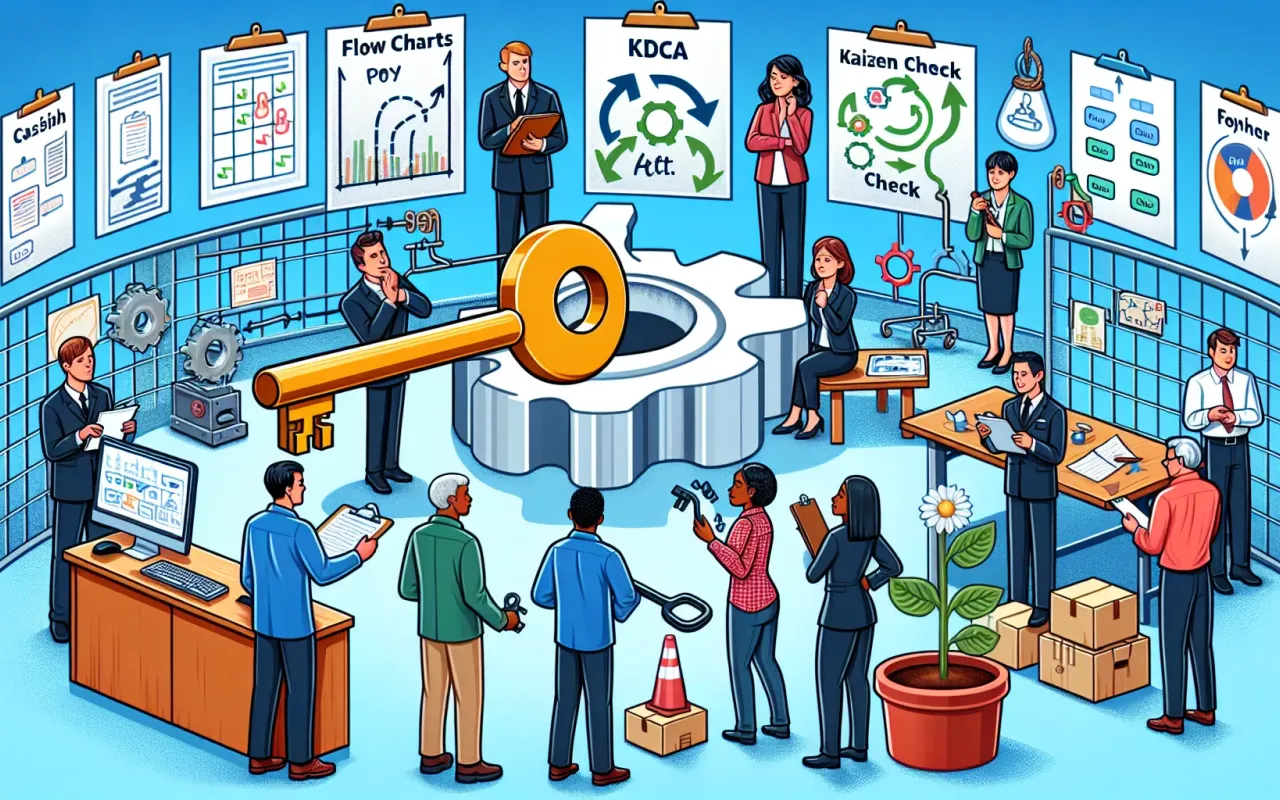
Discover how continuous improvement practices can boost adaptability, making your organization more responsive and resilient to changes.
- November 26, 2024
In today's fast-paced business environment, adaptability has become a critical component of organizational success. Companies that can quickly pivot in response to market changes, technological advancements, and shifting customer needs are more likely to thrive. One of the most effective ways to enhance adaptability is through continuous improvement practices. This article explores various methodologies and strategies that can help organizations become more agile and responsive.
Introduction to Continuous Improvement
Continuous improvement is a systematic, ongoing effort to enhance processes, products, or services. It involves making incremental improvements over time, rather than attempting massive changes all at once. This approach is rooted in methodologies like Lean, Six Sigma, and Kaizen, which emphasize the importance of measuring performance, identifying inefficiencies, and implementing small but meaningful changes.
Why Continuous Improvement Matters
Continuous improvement practices are essential for fostering adaptability because they create a culture of constant learning and flexibility. When employees are encouraged to question the status quo and seek better ways of doing things, the organization as a whole becomes more resilient to change.
Key Continuous Improvement Practices for Improving Adaptability
1. Lean Thinking
Lean thinking aims to maximize value by eliminating waste. This methodology encourages organizations to focus on activities that add value for the customer while reducing or eliminating those that do not. By continuously identifying and removing waste, organizations can become more efficient and adaptable.
2. Six Sigma
Six Sigma is a data-driven approach to process improvement that seeks to minimize variability and defects. By analyzing data and employing statistical methods, Six Sigma practitioners can identify root causes of issues and develop targeted solutions. This method enhances adaptability by fostering a culture of data-driven decision-making and problem-solving.
3. Kaizen
Kaizen, which means "continuous improvement" in Japanese, focuses on making small, incremental changes that collectively lead to significant improvements. Employers and employees collaborate to identify areas for enhancement and implement solutions quickly. This approach promotes a proactive mindset, crucial for an adaptable organization.
Implementing Continuous Improvement Practices
1. Establish a Culture of Continuous Improvement
Creating a culture that values continuous improvement starts at the top. Leaders must champion the initiative, provide necessary resources, and recognize and reward efforts. Employees should be encouraged to take ownership of improvement processes and be made to feel safe sharing ideas and feedback.
2. Use Data and Metrics
Reliable data is essential for identifying areas that need improvement. Organizations should implement robust data collection and analysis processes to track performance metrics and trends. Various tools, such as root cause analysis and performance dashboards, can provide insights that drive effective decision-making and adaptation.
3. Encourage Cross-functional Collaboration
Breaking down silos and fostering cross-functional collaboration can lead to more comprehensive and innovative solutions. This practice also ensures that changes are holistic and address the needs and perspectives of multiple stakeholders, enhancing organizational adaptability.
4. Prioritize Training and Development
Continual learning and skill development are fundamental to continuous improvement. Regular training programs and workshops can help employees stay updated on best practices and new methodologies. This ongoing education ensures that the workforce is equipped to implement and sustain improvements.
5. Utilize Feedback Loops
Establishing feedback loops is crucial for continuous improvement. Regular reviews and feedback sessions can help identify what's working and what isn't, allowing for timely adjustments. This iterative process ensures that the organization remains agile and can swiftly respond to emerging challenges.
Challenges and Solutions in Continuous Improvement Implementation
1. Resistance to Change
Resistance to change is a common obstacle when implementing continuous improvement practices. To address this, leaders should communicate the benefits of continuous improvement clearly and involve employees in the process. Change management strategies, such as Kotter's 8-Step Process, can also be effective.
2. Limited Resources
Resource constraints can hinder continuous improvement efforts. Organizations should prioritize initiatives based on impact and feasibility and seek ways to optimize existing resources. Often, small, low-cost improvements can lead to significant gains.
3. Maintaining Momentum
Sustaining continuous improvement requires consistent effort and engagement. Keeping the momentum can be challenging, especially after initial successes. To maintain progress, organizations should set clear goals, monitor achievements, and celebrate milestones to keep the team motivated.
Conclusion
Continuous improvement practices are vital for boosting organizational adaptability. By embedding a culture of continuous improvement, leveraging data, fostering collaboration, and addressing common challenges, companies can become more resilient and responsive. In an ever-changing business landscape, these practices provide the agility needed to thrive.