Learn how understanding nonverbal communication cues can help you master body language for better relationships. Explore key signals and improve interpersonal skills.
- November 24, 2024
Communication is fundamental to human interaction, whether in personal or professional settings. While words are essential, nonverbal communication cues—such as gestures, facial expressions, and posture—often speak louder than words. In this article, we will delve into understanding nonverbal communication cues, uncovering how to interpret and use body language to foster better relationships.
What are Nonverbal Communication Cues?
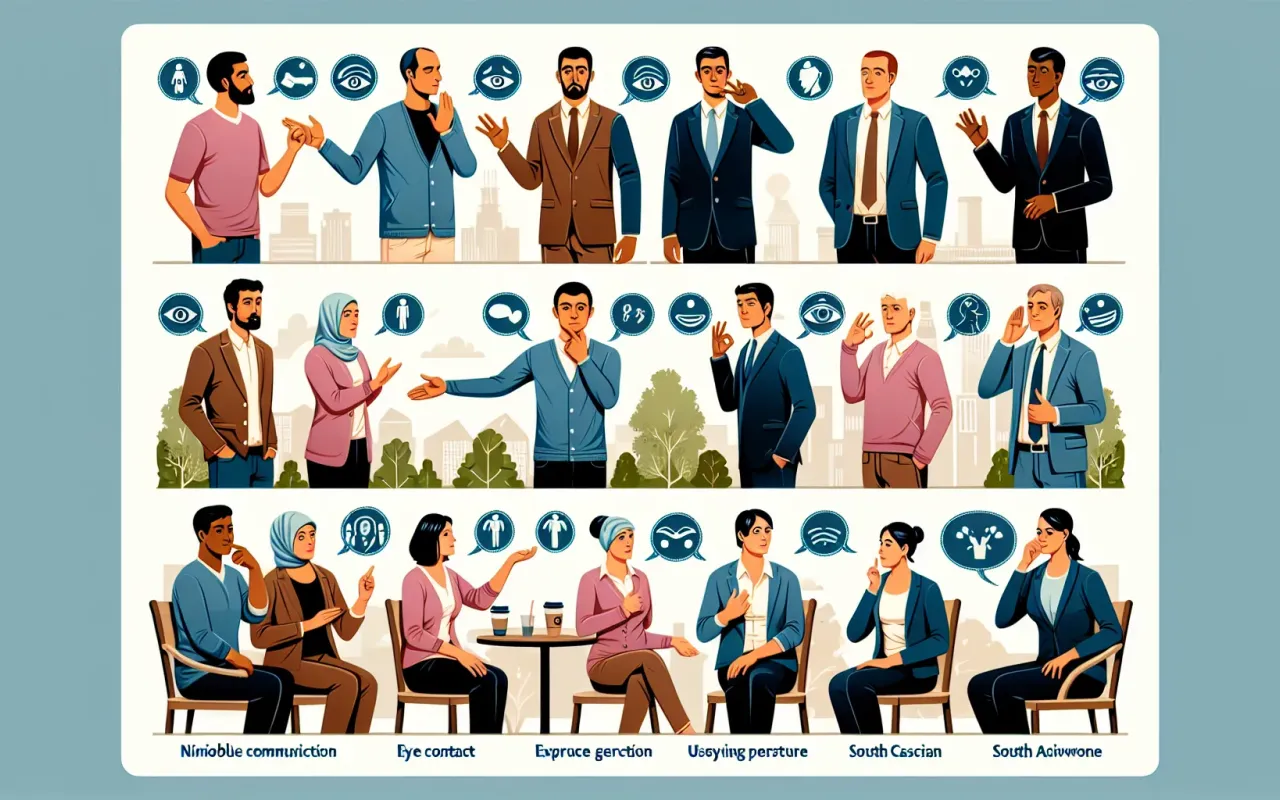
Nonverbal communication cues are the signals we give and receive through our body language. These cues encompass facial expressions, eye contact, gestures, posture, and even physical proximity. While some nonverbal cues are universal, others can vary significantly across different cultures and contexts.
The Importance of Nonverbal Communication
Nonverbal communication plays a crucial role in conveying emotions and intentions. Research suggests that a significant portion of our communication is nonverbal—some studies estimate up to 93%. Understanding these cues can help us interpret underlying emotions, build trust, and create more meaningful connections.
Key Nonverbal Communication Cues and Their Meanings
Facial Expressions
Facial expressions are perhaps the most expressive component of nonverbal communication. A smile can indicate friendliness and openness, while a frown or furrowed brows can signal discontent or confusion. Learning to read these expressions accurately can provide insight into a person's true feelings.
Eye Contact
Eye contact is a powerful nonverbal cue that can convey confidence, attentiveness, and sincerity. Maintaining appropriate eye contact can demonstrate interest and engagement, whereas lack of eye contact may suggest discomfort, disinterest, or dishonesty.
Gestures
Gestures, such as hand movements, can emphasize or complement verbal communication. Open palms can signal openness and honesty, while crossed arms may indicate defensiveness or resistance. Being aware of these gestures can help in interpreting someone's stance and adjusting your own body language accordingly.
Posture
Your posture can communicate volumes about your confidence and attitude. Standing tall with shoulders back generally signifies confidence and authority, whereas slouching can suggest insecurity or disengagement. Likewise, leaning in during a conversation can indicate interest, while leaning back might imply disinterest or discomfort.
Proximity
Physical proximity, or personal space, varies across cultures but plays a vital role in nonverbal communication. Standing too close or too far can affect comfort levels and relational dynamics. Understanding personal space preferences can prevent misunderstandings and enhance interpersonal interactions.
Practical Applications of Nonverbal Communication Cues
Building Better Relationships
Being adept at reading and responding to nonverbal communication cues can strengthen personal and professional relationships. Awareness of body language allows us to be more empathetic and responsive to others' needs, creating an environment of trust and cooperation.
Improving Professional Interactions
In the workplace, nonverbal communication affects collaboration, presentations, and leadership. By mastering nonverbal cues, professionals can enhance their effectiveness in meetings, negotiations, and team interactions. For instance, maintaining eye contact and an open posture can boost confidence and rapport with colleagues and clients alike.
Enhancing Personal Communication
Nonverbal communication is equally critical in personal relationships. Understanding and correctly interpreting a partner’s body language can resolve conflicts and improve intimacy. Simple gestures such as a touch on the hand or a nod of understanding can bridge emotional gaps and foster deeper connections.
Tips for Mastering Body Language
Be Mindful of Your Own Body Language
Self-awareness is the first step toward mastering body language. Pay attention to your gestures, posture, and facial expressions, ensuring they align with your intended message. Practicing in front of a mirror or recording yourself can provide valuable feedback.
Observe Others
Observing others' nonverbal cues can enhance your ability to interpret body language. Watch how people react in different situations and consider what their body language conveys about their emotions and thoughts.
Adapt to Different Contexts
Context is critical in nonverbal communication. Be adaptable to different cultural norms and settings. What might be considered a positive gesture in one culture could be offensive in another. Educate yourself about cultural differences to communicate respectfully and effectively.
Conclusion
Understanding nonverbal communication cues is a powerful tool for mastering body language and improving relationships. By being mindful of your own nonverbal signals and adept at reading others, you can enhance your interpersonal interactions, build meaningful connections, and foster a more empathetic and trustworthy environment. Start integrating these insights into your daily interactions and witness the transformative impact on your relationships.