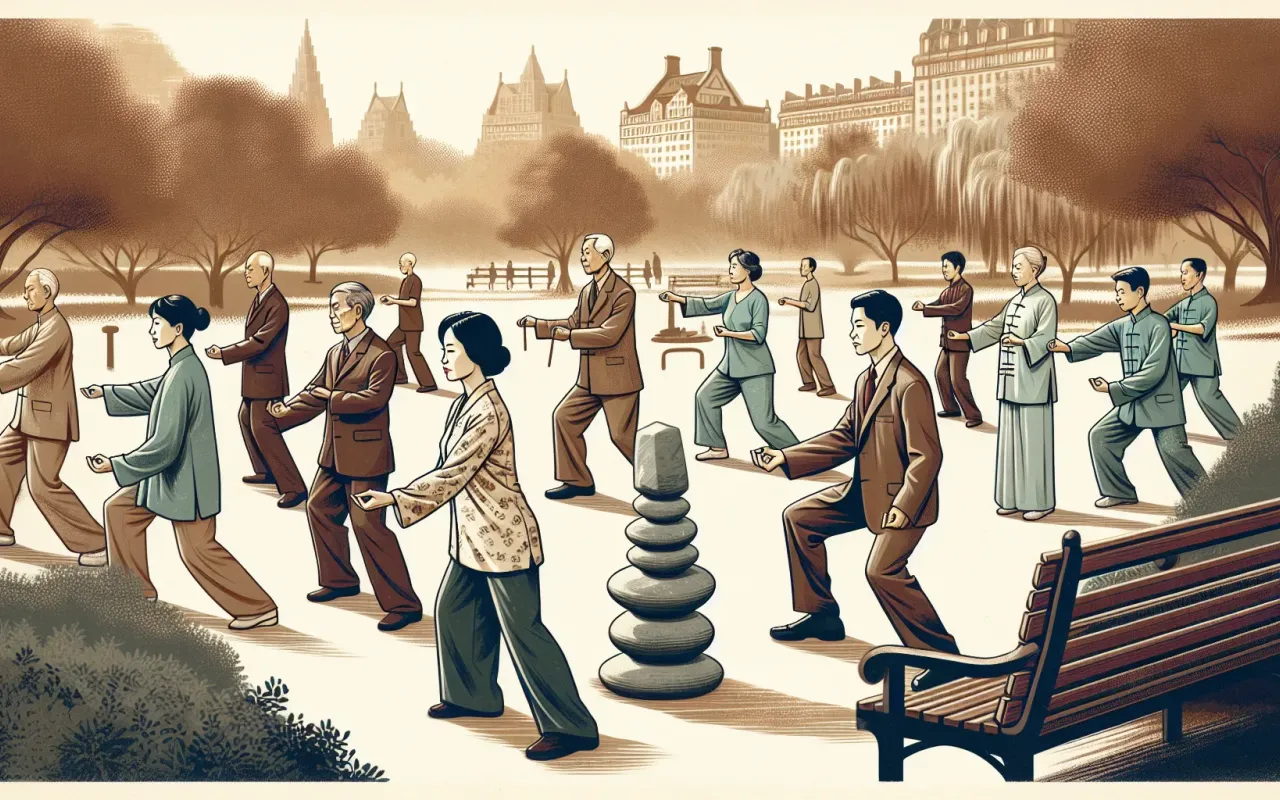
Explore how Tai Chi can enhance your balance and stability. Learn about the numerous benefits of Tai Chi and how it can positively impact your life.
- November 23, 2024
Tai Chi, an ancient Chinese martial art, is renowned for its numerous health benefits, particularly when it comes to enhancing balance and stability. With its slow and deliberate movements, Tai Chi promotes physical and mental well-being, making it an ideal practice for individuals of all ages, particularly older adults at risk of falls. In this article, we delve into the various Tai Chi benefits for balance, providing a comprehensive understanding of how this practice can improve your overall stability and quality of life.
Understanding Tai Chi: A Brief Overview
Tai Chi, also known as Tai Chi Chuan, integrates mind, breath, and movement to create a holistic practice that harmonizes the body's energy or 'Qi.' Originating in China over 700 years ago, this form of exercise is grounded in traditional Chinese medicine principles. With its gentle, flowing movements, Tai Chi emphasizes balance, flexibility, and internal strength.
How Tai Chi Enhances Balance
Improving Proprioception
Proprioception, or the body's ability to sense its position in space, is crucial for maintaining balance. Tai Chi's slow and controlled movements enhance proprioceptive awareness by requiring practitioners to consciously shift their weight and maintain posture. This heightened body awareness significantly improves balance and reduces the risk of falls.
Strengthening Muscles
Despite its low-impact nature, Tai Chi effectively strengthens core muscles and the lower body. The repetitive transfer of weight from one leg to the other and the gentle resistance involved in Tai Chi movements help build muscle strength and endurance. These benefits are particularly significant for maintaining stability and preventing falls.
Enhancing Flexibility
Flexibility is essential for balance and mobility. Tai Chi's comprehensive range of motion exercises gently stretch muscles and joints, enhancing flexibility without causing strain. Improved flexibility helps the body adapt to unexpected shifts in balance and reduces the likelihood of injuries.
Postural Alignment
Good posture is a fundamental aspect of balance. Tai Chi emphasizes proper posture through movements that align the spine and promote a balanced distribution of weight. This focus on postural alignment not only improves balance but also alleviates strain on the body, contributing to overall well-being.
Additional Benefits of Tai Chi for Stability
Reducing Stress and Anxiety
Stress and anxiety can adversely affect balance and coordination. Tai Chi's meditative nature promotes relaxation and mental clarity, reducing stress levels. By fostering a calm and focused mind, Tai Chi indirectly improves balance and stability.
Enhancing Mind-Body Connection
Regular Tai Chi practice cultivates a strong mind-body connection, allowing practitioners to be more attuned to their movements and bodily sensations. This heightened awareness fosters better control over the body, enhancing stability and reducing the risk of falls.
Improving Cardiovascular Health
Cardiovascular health plays a vital role in balance and mobility. Tai Chi's moderate aerobic activity improves cardiovascular function without overexerting the body. Enhanced cardiovascular health supports overall stamina and energy, making it easier to maintain balance.
Boosting Cognitive Function
Practicing Tai Chi has been shown to positively influence cognitive functions, such as memory and attention. Cognitive sharpness is indispensable for spatial awareness and coordinated movements, both critical for balance and stability.
Getting Started with Tai Chi
Finding the Right Class
Whether you're a beginner or an experienced practitioner, it's essential to find a Tai Chi class that suits your needs. Look for certified instructors who offer classes tailored to your fitness level and specific health concerns. Many community centers, wellness studios, and online platforms provide Tai Chi classes for various skill levels.
Sustaining a Consistent Practice
Consistency is key to reaping the benefits of Tai Chi. Aim to practice at least two to three times a week to see noticeable improvements in balance and stability. Incorporate Tai Chi into your daily routine by setting aside dedicated time for practice and gradually increasing your session duration.
Listening to Your Body
Tai Chi is a gentle exercise, but it's important to listen to your body and avoid overexertion. If you experience any discomfort or pain, modify the movements or take a break as needed. Gradually build your strength and endurance, allowing your body to adapt to the practice.
Conclusion
Incorporating Tai Chi into your wellness routine can offer substantial benefits for balance and stability. With its focus on controlled movements, muscle strength, flexibility, and mental tranquility, Tai Chi provides a comprehensive approach to enhancing physical and mental well-being. By practicing Tai Chi regularly, you can improve your balance, prevent falls, and enjoy a healthier, more stable lifestyle. Explore local classes or online resources to begin your Tai Chi journey and experience the multitude of benefits firsthand.