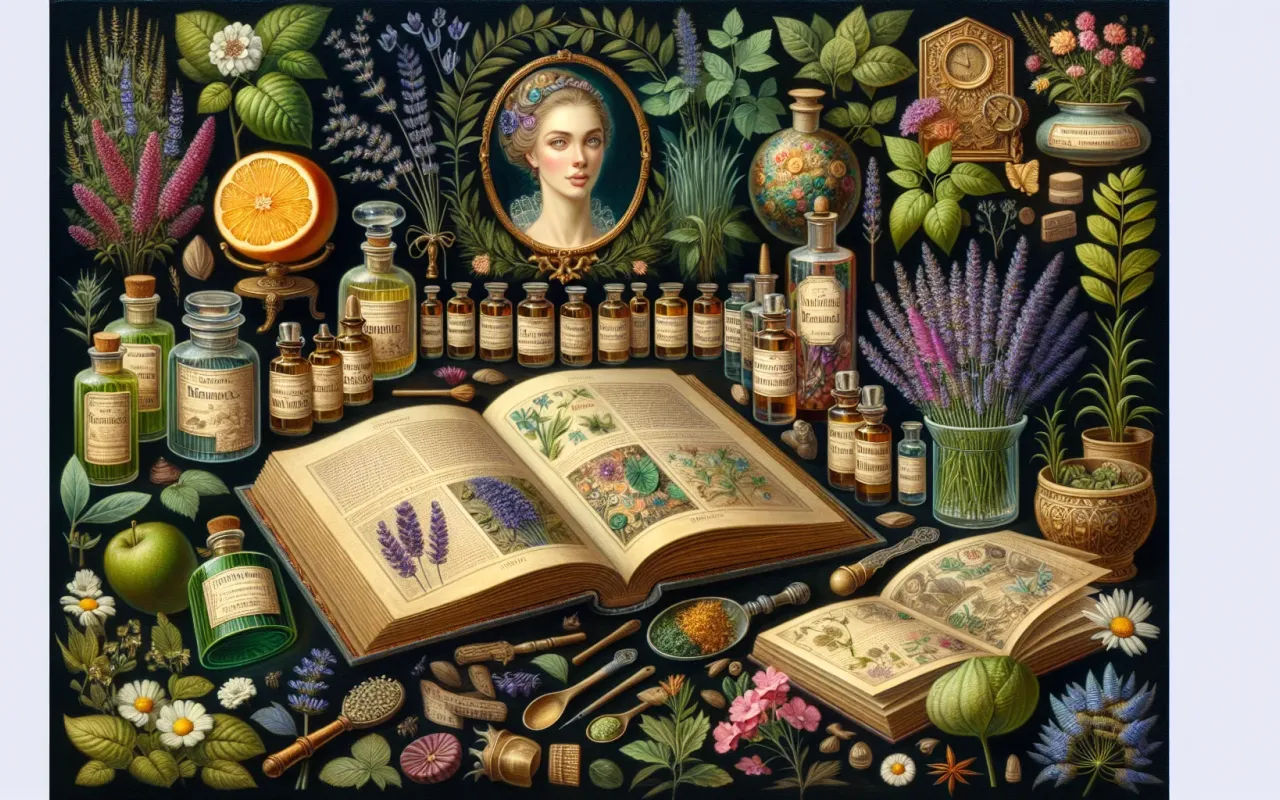
Discover the ultimate guide to herbal tinctures for skin health. Learn how these natural remedies can boost your glow naturally.
- November 23, 2024
Herbal tinctures have been used for centuries to promote healing and wellness. In recent years, they have gained popularity for their potential benefits in skin care. This guide delves into how you can leverage herbal tinctures for skin health to achieve a natural, radiant glow.
What Are Herbal Tinctures?
Herbal tinctures are concentrated liquid extracts of herbs. They are typically made by soaking parts of a plant, such as roots, leaves, or bark, in alcohol or vinegar for several weeks. This process extracts the active compounds from the plant, resulting in a potent solution that can be easily ingested or applied topically.
Benefits of Herbal Tinctures for Skin Health
Herbal tinctures offer a range of benefits for skin health, thanks to their rich content of vitamins, minerals, and antioxidants. Below are some of the key advantages:
Anti-Inflammatory Properties
Many herbal tinctures contain anti-inflammatory compounds that help soothe irritated skin and reduce inflammation. For instance, chamomile tincture is known for its calming properties, making it ideal for sensitive or inflamed skin.
Antioxidant Protection
Antioxidants are crucial for neutralizing free radicals, which can cause premature aging and damage to skin cells. Herbal tinctures like green tea and rosemary are rich in antioxidants that help protect your skin from environmental stressors.
Enhanced Hydration
Some herbal tinctures work to improve skin hydration by enhancing the skin’s ability to retain moisture. Aloe vera tincture, for example, is renowned for its hydrating and healing properties.
Skin Healing
Herbs like calendula and comfrey are known for their skin-healing properties. Tinctures made from these herbs can accelerate wound healing and promote the regeneration of healthy skin cells.
Popular Herbal Tinctures for Skin Health
Below is a list of some popular herbal tinctures that are particularly beneficial for skin health:
1. Chamomile Tincture
Chamomile is celebrated for its soothing and anti-inflammatory properties. A chamomile tincture can reduce redness, soothe irritation, and help with conditions like eczema and rosacea.
2. Green Tea Tincture
Green tea is packed with antioxidants, particularly catechins, which protect the skin from damage and may reduce the signs of aging. Applying or ingesting green tea tincture can provide a significant boost to skin health.
3. Calendula Tincture
Calendula, also known as marigold, has strong healing properties. It's often used in tincture form to treat minor cuts, burns, and rashes, promoting faster healing and reducing scarring.
4. Lavender Tincture
Lavender is known for its calming effects. A lavender tincture can be used to soothe irritated skin, reduce inflammation, and even promote a better night’s sleep, which contributes to healthier skin.
5. Turmeric Tincture
Turmeric has been used for centuries in Ayurvedic medicine for its anti-inflammatory and antioxidant properties. A turmeric tincture can help in reducing acne, brightening the skin, and fighting signs of aging.
How to Use Herbal Tinctures for Skin Health
Using herbal tinctures for skin health is straightforward, but it's essential to follow guidelines to avoid adverse effects. Generally, they can be taken orally or applied topically.
Oral Use
For oral use, the typical dosage is about 1-2 ml (around 20-40 drops) diluted in water, juice, or tea, taken up to three times a day. Always follow the manufacturer's recommendations or consult with a healthcare provider.
Topical Use
For topical application, herbal tinctures should be diluted with a carrier oil or water to prevent skin irritation. Perform a patch test first to ensure there's no allergic reaction.
Creating DIY Skincare Products
You can also incorporate herbal tinctures into your DIY skincare products such as serums, face masks, and toners. This allows you to customize your skincare routine according to your specific needs.
Precautions and Considerations
While herbal tinctures offer numerous benefits, there are some precautions to keep in mind:
Allergic Reactions
Individuals with allergies to certain plants should avoid tinctures made from those plants. Always conduct a patch test before applying a new tincture to your skin.
Quality and Purity
Ensure you buy tinctures from reputable sources that use high-quality, organic ingredients. Poor-quality tinctures may contain contaminants or lower concentrations of active compounds.
Consulting Healthcare Providers
If you are pregnant, nursing, or taking medication, consult with a healthcare provider before using herbal tinctures to avoid any potential interactions.
Conclusion
Herbal tinctures offer a natural and effective way to enhance your skin health. Whether you are looking to soothe irritated skin, combat signs of aging, or boost hydration, there is likely an herbal tincture that can help. By incorporating these powerful plant extracts into your skincare routine, you can achieve a healthier, more radiant complexion.