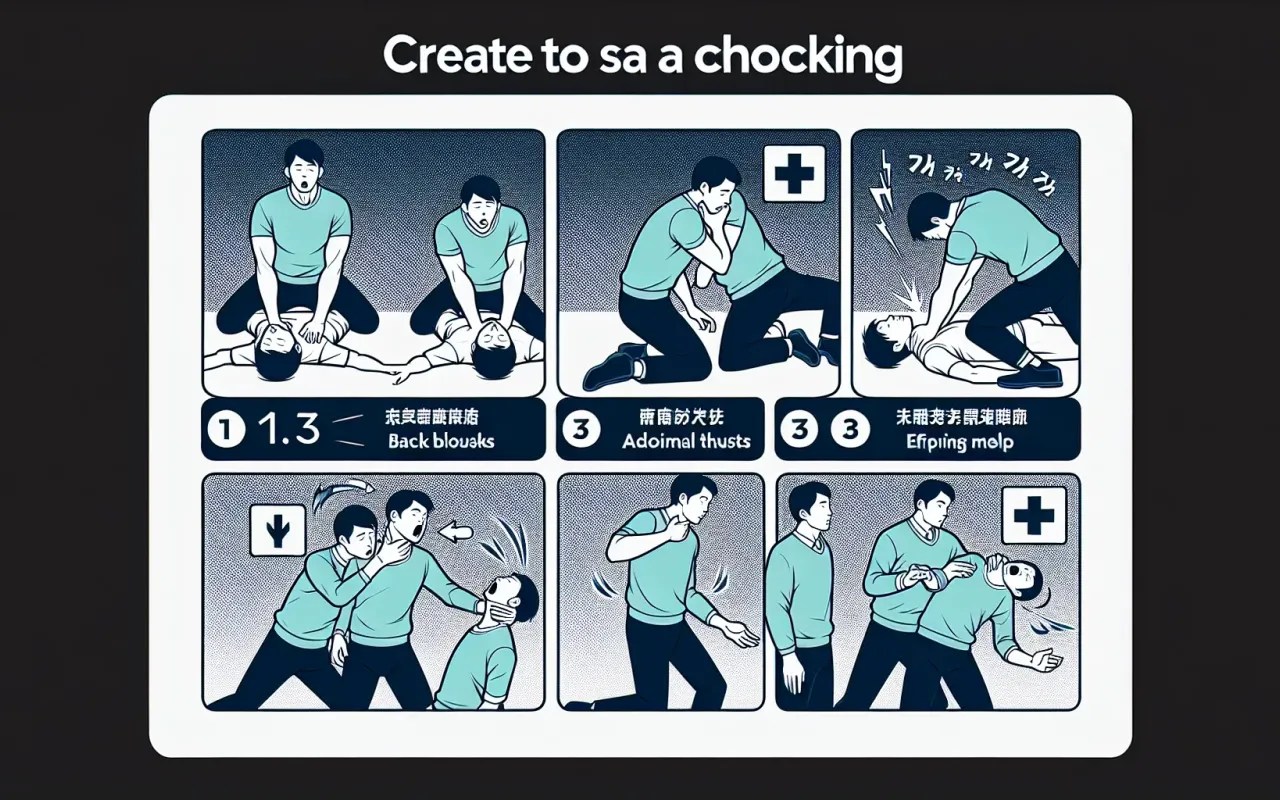
Learn the essential steps to take in a choking emergency with our detailed, life-saving guide. Stay prepared and know how to act swiftly and effectively.
- November 20, 2024
Choking emergencies can happen at any moment and to anyone. Whether you're at home, in a restaurant, or at a family gathering, knowing the steps to take in a choking emergency can make the difference between life and death. This guide aims to provide you with accurate, well-researched information to help you respond effectively in such situations.
Understanding Choking
Choking occurs when an object, often food, becomes lodged in the throat or windpipe, blocking airflow. It's a serious medical emergency that can quickly turn fatal if not addressed promptly. Recognizing the signs of choking and knowing the steps to take in a choking emergency can save lives.
Recognizing the Signs of Choking
Common Symptoms
- Inability to speak
- Difficulty breathing or noisy breathing
- Clutching the throat (universal choking sign)
- Weak or ineffective coughing
- Blue or dusky skin color, particularly around the lips and fingertips
Immediate Steps to Take in a Choking Emergency
When someone is choking, time is of the essence. Here are the steps to take in a choking emergency:
Step 1: Encourage the Person to Cough
If the person can still breathe and talk, encourage them to cough forcefully. Coughing is the most effective way to dislodge the blockage.
Step 2: Perform the Heimlich Maneuver
If the person cannot cough, talk, or breathe, it's time to perform the Heimlich maneuver.
- Stand behind the person and wrap your arms around their waist.
- Make a fist with one hand and place it just above the person's navel, thumb side in.
- Grasp your fist with your other hand and deliver quick, upward thrusts into the person's abdomen.
- Continue the thrusts until the object is expelled or the person becomes unconscious.
Step 3: Seek Medical Help
Even if the object is expelled, seek medical help immediately. Choking can cause internal injuries that need professional evaluation.
Special Considerations
Infants
For infants under one year old, the Heimlich maneuver is not suitable. Instead, follow these steps:
- Lay the infant face down on your forearm, supporting their head and neck.
- Deliver five back blows between the infant's shoulder blades.
- If the object is not expelled, turn the infant face-up and give five chest compressions with two fingers in the center of their chest.
- Repeat as necessary.
Pregnant or Obese Individuals
For pregnant or obese individuals, place your hands higher, at the base of the breastbone, and proceed with the Heimlich maneuver as described.
Prevention Tips
While knowing the steps to take in a choking emergency is crucial, prevention is always better than cure. Here are some tips to reduce the risk of choking:
For Adults
- Chew food thoroughly before swallowing.
- Avoid talking or laughing while eating.
- Avoid excessive alcohol consumption during meals.
For Children
- Cut food into small, bite-sized pieces.
- Supervise mealtimes, especially for young children.
- Keep small objects and toys out of reach.
Conclusion
Choking emergencies are frightening, but knowing the steps to take in a choking emergency can empower you to act swiftly and effectively. Whether it's encouraging a person to cough, performing the Heimlich maneuver, or seeking professional medical help, every second counts. Stay informed, stay prepared, and you could save a life.