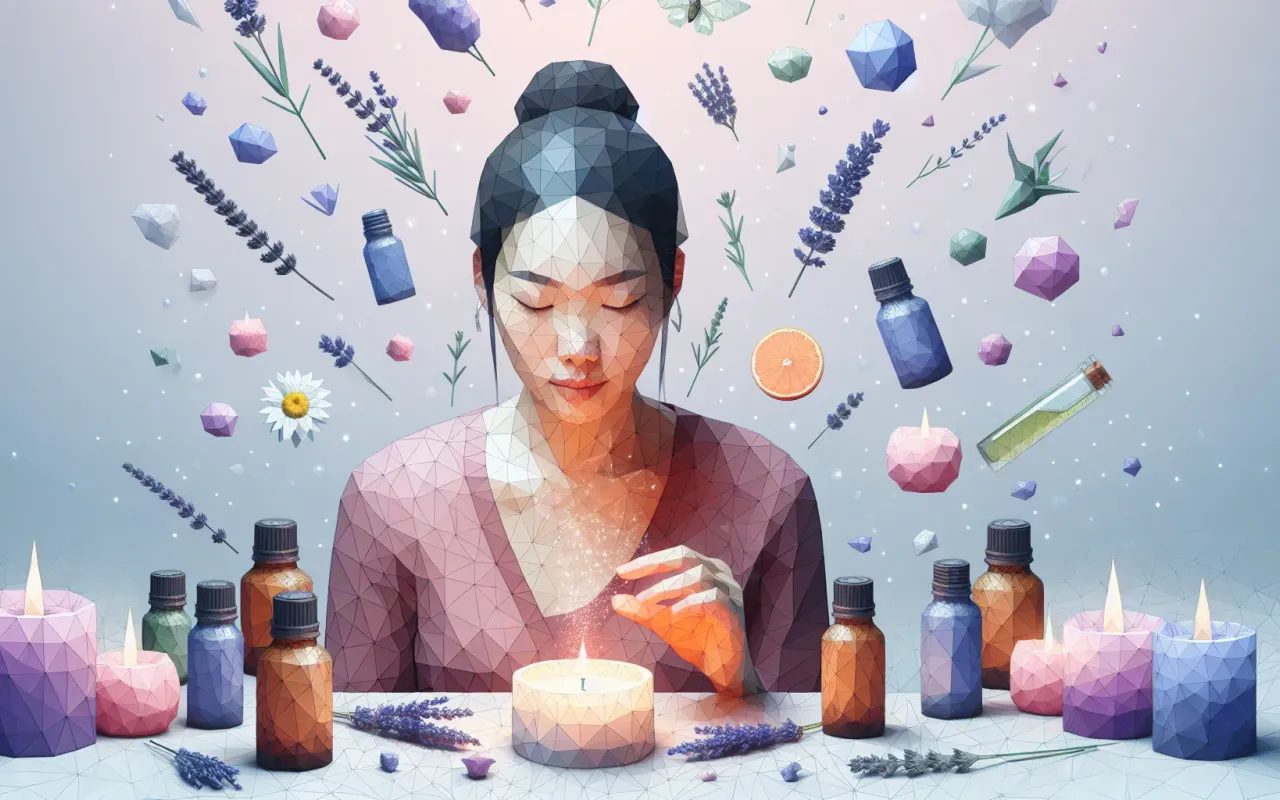
Discover effective techniques and essential oils to reduce anxiety with aromatherapy. Learn how to naturally manage your stress and improve your well-being.
- November 20, 2024
AceShowbiz - Anxiety is a common mental health issue that affects millions of people worldwide. While there are many treatments available, aromatherapy has gained popularity as a natural and effective solution to alleviate anxiety. This article will guide you on how to reduce anxiety with aromatherapy, providing valuable insights on techniques and essential oils that can help calm the mind and promote relaxation.
What is Aromatherapy?
Aromatherapy is a holistic healing treatment that uses natural plant extracts to promote health and well-being. Often referred to as essential oil therapy, it involves the use of aromatic essential oils to enhance physical and emotional health.
The Science Behind Aromatherapy
Aromatherapy works by stimulating the smell receptors in your nose, which then send messages to your brain's limbic system, the area responsible for emotions. Specific essential oils can trigger responses that calm the mind and reduce stress levels.
How to Reduce Anxiety with Aromatherapy
Choosing the Right Essential Oils
Not all essential oils are created equal when it comes to reducing anxiety. Here are some of the most effective ones:
- Lavender: Known for its calming properties, lavender oil can help reduce stress and anxiety, promote relaxation, and improve sleep quality.
- Bergamot: This citrus oil can help elevate mood and relieve stress by promoting a sense of calm and contentment.
- Ylang-Ylang: Known to induce feelings of euphoria and relaxation, ylang-ylang oil can help lower blood pressure and reduce anxiety levels.
- Chamomile: Often used to promote relaxation and reduce insomnia, chamomile oil is also effective in managing anxiety.
- Frankincense: This grounding oil can help reduce symptoms of anxiety by promoting deep breathing and a sense of peace.
Techniques for Using Aromatherapy
1. Diffusion
Using an essential oil diffuser is one of the easiest ways to experience the benefits of aromatherapy. Add a few drops of your chosen essential oil to the diffuser, and let it fill the room with its calming aroma.
2. Inhalation
Inhalation involves deeply breathing in the aroma of essential oils. You can do this by adding a few drops of oil to a bowl of hot water and inhaling the steam, or by using an essential oil inhaler.
3. Topical Application
When applying essential oils to the skin, it is crucial to dilute them with a carrier oil (like coconut or jojoba oil) to avoid irritation. Apply to pulse points like wrists, temples, and the neck for effective relief.
4. Bathing
Adding a few drops of essential oil to your bathwater can create a relaxing experience. The warmth of the water helps to vaporize the oil, creating a soothing atmosphere.
Combining Aromatherapy with Other Techniques
While aromatherapy can be effective on its own, combining it with other relaxation techniques can enhance its benefits:
1. Meditation
Use essential oils during meditation to deepen your state of relaxation and focus. Scents like sandalwood and cedarwood are particularly grounding.
2. Yoga
Incorporate aromatherapy into your yoga routine by diffusing oils or applying them topically. Oils like peppermint and eucalyptus can invigorate your practice, while lavender and chamomile can be calming in post-yoga relaxation.
3. Massage
Aromatherapy massages combine the benefits of touch with the therapeutic properties of essential oils. This combination can deeply relax the body and calm the mind.
Safety Considerations
While essential oils can offer significant benefits, it's important to use them safely:
- Quality: Ensure you are using high-quality, pure essential oils from reputable sources.