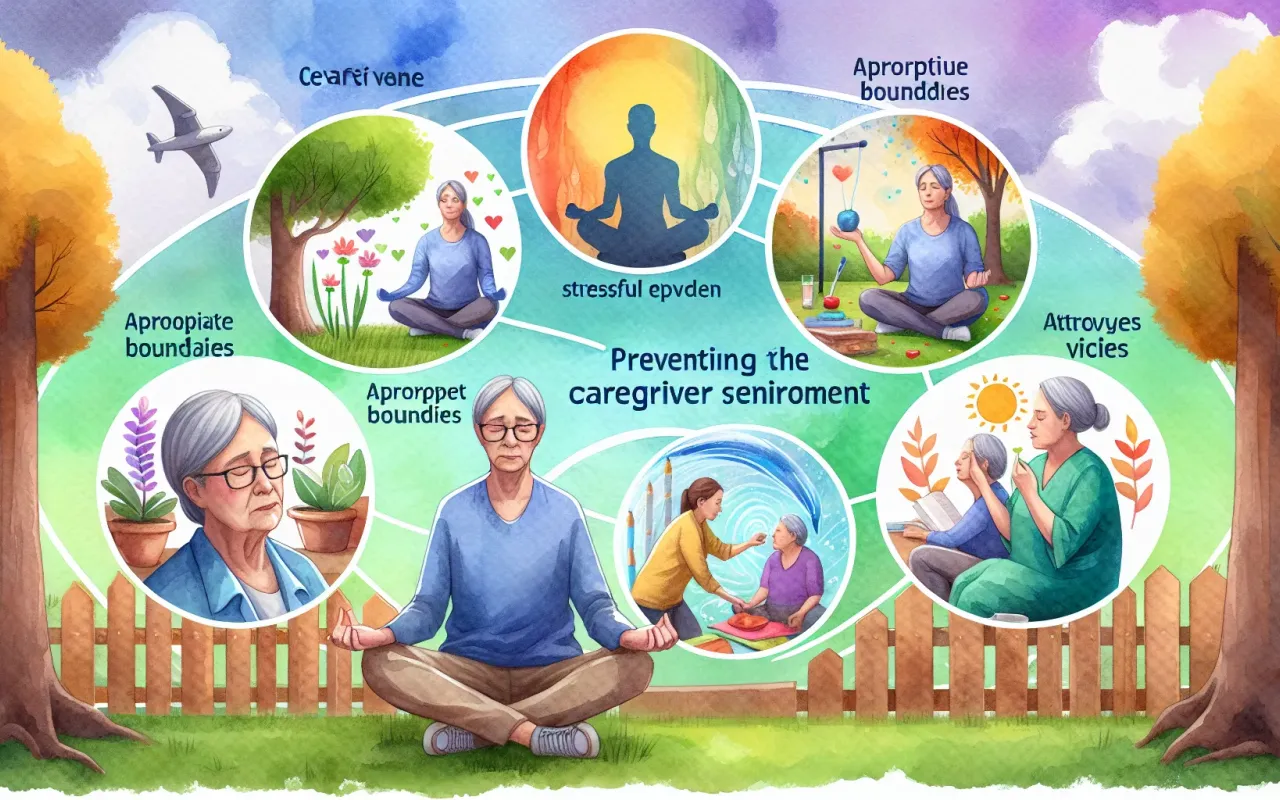
Learn practical strategies for preventing caregiver burnout in stressful environments. This comprehensive guide offers valuable insights and solutions for caregivers.
- November 20, 2024
Caregiver burnout is a critical issue that affects millions of people who dedicate their lives to taking care of others. In challenging and stressful environments, the risk of burnout increases significantly. This article explores practical strategies for preventing caregiver burnout in stressful environments, providing valuable insights and solutions for those who need them most.
Understanding Caregiver Burnout
Caregiver burnout is a state of physical, emotional, and mental exhaustion that can occur when someone provides care for another person over an extended period. Symptoms of caregiver burnout can include anxiety, depression, irritability, and a sense of detachment from others. Recognizing the signs early is crucial in preventing the condition from worsening.
Causes of Caregiver Burnout
Several factors contribute to caregiver burnout, particularly in stressful environments. These include:
- Emotional Strain: Continuously dealing with the emotional needs of others can take a tremendous toll on a caregiver's well-being.
- Physical Demands: Providing physical care, such as lifting and transferring patients, can lead to exhaustion and physical pain.
- Lack of Support: Isolation and the absence of a support system can exacerbate stress and feelings of burnout.
- Financial Pressure: The lack of financial resources can add another layer of stress and worry.
Strategies for Preventing Caregiver Burnout
1. Establishing a Support Network
Having a robust support network is vital for preventing caregiver burnout. This network can include family members, friends, healthcare professionals, and support groups. Regularly communicating with people who understand your situation can provide emotional relief and practical advice.
2. Practicing Self-Care
Self-care is not a luxury but a necessity for caregivers. This includes maintaining a healthy diet, engaging in regular physical activity, and ensuring adequate sleep. Mindfulness practices such as meditation and yoga can also help manage stress levels effectively.
3. Setting Realistic Goals
Setting achievable goals can prevent feelings of failure and frustration. Break tasks into smaller, manageable steps and celebrate your accomplishments, no matter how small.
4. Seeking Professional Help
If feelings of burnout persist, it may be beneficial to seek professional help. Therapists and counselors can provide strategies for coping with stress and offer an outlet for discussing your feelings.
5. Utilizing Respite Care
Respite care services provide temporary relief for caregivers. Taking regular breaks to recharge is essential for maintaining long-term caregiving capabilities.
The Role of Employers in Preventing Caregiver Burnout
Employers can play a significant role in preventing caregiver burnout by offering flexible work arrangements and providing access to employee assistance programs. Understanding and accommodating the unique challenges faced by caregivers can lead to a more supportive work environment.
Conclusion
Preventing caregiver burnout in stressful environments requires a multifaceted approach, including establishing support networks, practicing self-care, setting realistic goals, seeking professional help, and utilizing respite care. By implementing these strategies, caregivers can ensure their well-being and continue to provide the best possible care for their loved ones.
© 2024 Strategies for Preventing Caregiver Burnout in Stressful Environments