Discover the benefits of 16/8 intermittent fasting for effective weight loss. Learn how this eating pattern can help you achieve your weight loss goals.
- November 20, 2024
16/8 intermittent fasting has gained immense popularity as a practical and sustainable approach to weight loss. By focusing on when you eat, rather than what you eat, this method simplifies dietary restrictions and has numerous health benefits. This article will guide you through the basics of 16/8 intermittent fasting, its benefits for weight loss, how to implement it, and tips for success.
What is 16/8 Intermittent Fasting?
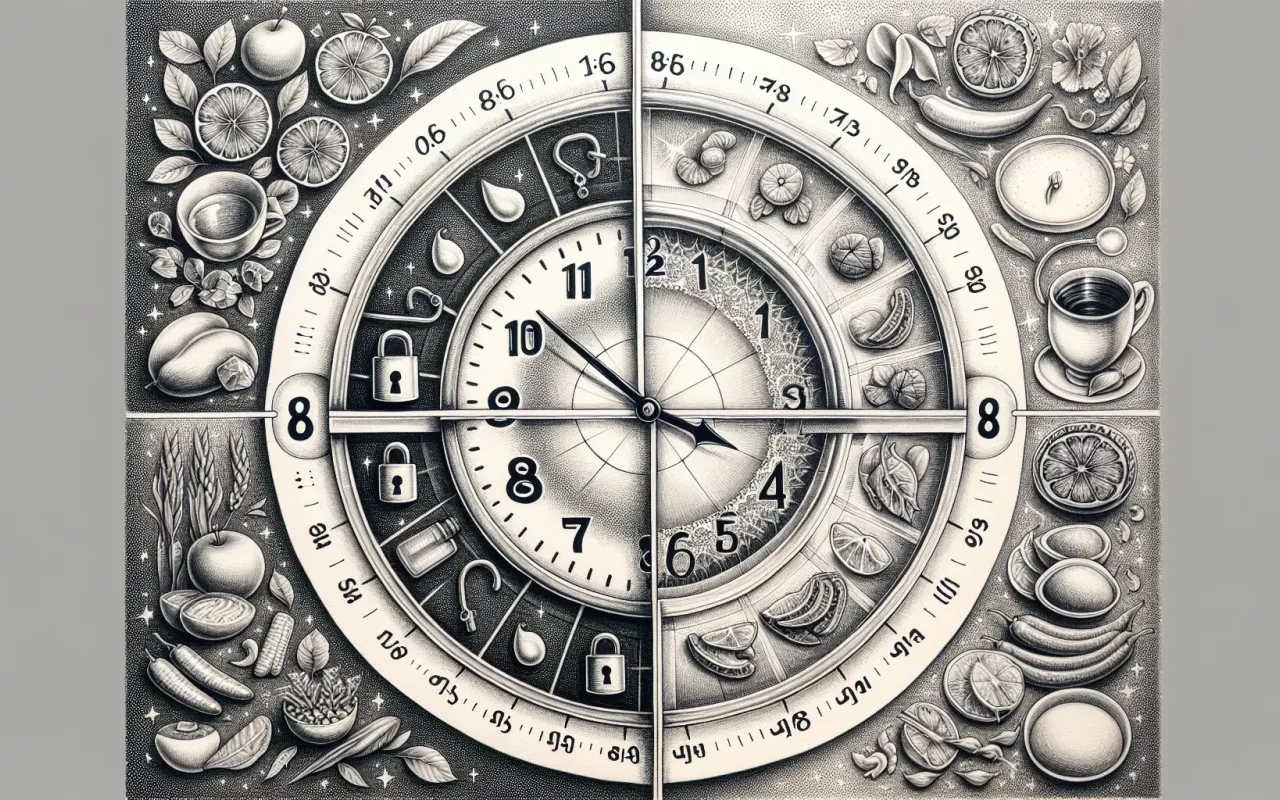
16/8 intermittent fasting, also known as the 16:8 diet, involves fasting for 16 hours each day and eating all your meals during a designated 8-hour window. For example, if you choose an eating window from 12:00 PM to 8:00 PM, you'll be fasting from 8:00 PM to 12:00 PM the next day. This pattern helps to optimize your body's natural rhythms, promoting better digestion and metabolic health.
Benefits of 16/8 Intermittent Fasting for Weight Loss
Enhanced Fat Burning
Fasting for an extended period allows your body to deplete its glycogen stores and switch to burning fat for fuel. This metabolic shift can accelerate fat loss and improve body composition.
Reduced Caloric Intake
By limiting your eating window, you are likely to consume fewer calories naturally. Sticking to an 8-hour window can help you avoid mindless snacking and overeating, contributing to a calorie deficit necessary for weight loss.
Improved Insulin Sensitivity
Intermittent fasting can enhance your body's insulin sensitivity, making it more efficient at regulating blood sugar levels. This can lower the risk of type 2 diabetes and support weight loss by minimizing fat storage.
Appetite Control
Skipping breakfast and starting your eating window later in the day can help regulate hunger hormones such as ghrelin. Many people find they experience less intense cravings and feel more satisfied with fewer meals.
How to Implement 16/8 Intermittent Fasting
Choose Your Eating Window
Select an 8-hour window that fits your lifestyle. Common eating windows include 12:00 PM to 8:00 PM, 1:00 PM to 9:00 PM, or 11:00 AM to 7:00 PM. Pick a routine you can stick with consistently.
Stay Hydrated
During the fasting period, drink plenty of water to stay hydrated. You can also enjoy black coffee, tea, or other non-caloric beverages.
Focus on Nutrient-Dense Foods
When your eating window opens, prioritize whole, nutrient-dense foods that support your health and weight loss goals. Eat a balanced diet that includes lean proteins, healthy fats, and plenty of vegetables.
Avoid Overeating
Even though you may feel hungrier when it’s time to eat, try to maintain portion control. Overeating during the eating window can negate the caloric deficit achieved through fasting.
Tips for Success with 16/8 Intermittent Fasting
Ease into the Routine
If you are new to fasting, start with shorter fasting periods and gradually increase to 16 hours. This can help your body adjust without feeling overwhelmed.
Listen to Your Body
Pay attention to how your body responds to fasting. If you feel excessively fatigued or dizzy, adjust your fasting schedule or consult a healthcare professional.
Combine with a Healthy Lifestyle
For optimal results, pair intermittent fasting with regular physical activity, quality sleep, and stress management. Adopting a holistic approach ensures sustained weight loss and overall well-being.
Stay Consistent
Consistency is key to seeing the benefits of 16/8 intermittent fasting. Stick to your eating and fasting windows even on weekends or special occasions to maintain progress.
Potential Challenges and How to Overcome Them
Dealing with Hunger Pangs
Hunger pangs are common when you start intermittent fasting. Combat them with non-caloric beverages, staying busy, or incorporating high-fiber foods into your diet during your eating window.
Social Situations
Social events can be challenging when fasting. Plan your eating window around these events or explain your fasting routine to friends and family to garner support and understanding.
Plateaus
If weight loss stalls, reassess your eating habits and exercise routine. Sometimes, tweaking calorie intake or increasing physical activity can help overcome plateaus.
Who Should Avoid 16/8 Intermittent Fasting?
While many people can benefit from 16/8 intermittent fasting, it may not be suitable for everyone. The following groups should consult a healthcare professional before starting:
- Pregnant or breastfeeding women
- Individuals with a history of eating disorders
- Those with chronic health conditions or specific dietary needs
- Children and teenagers
Conclusion
16/8 intermittent fasting is a powerful tool for effective weight loss, provided it is approached with consistency and mindfulness. By optimizing your eating window, focusing on nutrient-dense foods, and maintaining a healthy lifestyle, you can unlock numerous health benefits while shedding excess weight. Always listen to your body and consult with healthcare professionals to ensure this fasting method is right for you. Start your journey towards a healthier you with 16/8 intermittent fasting today!