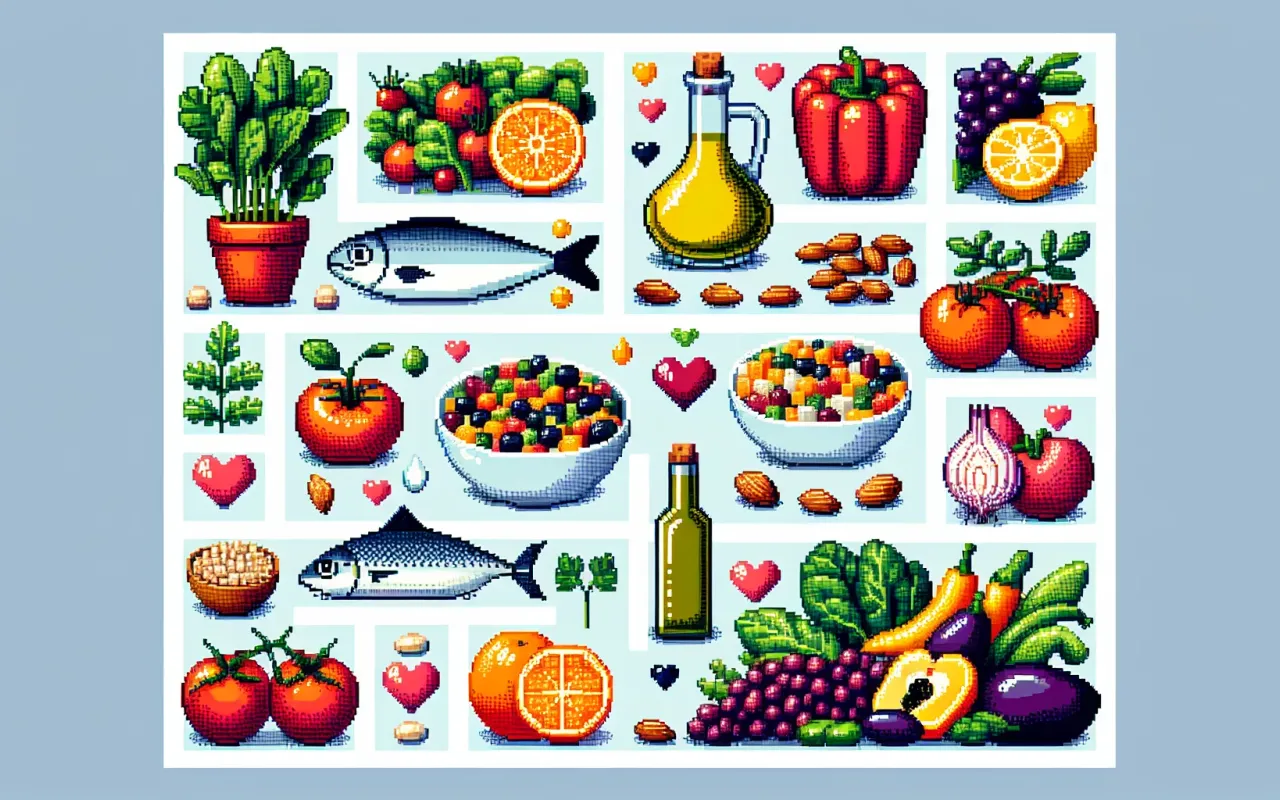
Discover 10 heart-healthy foods in the Mediterranean diet that you should incorporate into your daily meals for better cardiovascular health.
- November 16, 2024
The Mediterranean diet has long been recognized for its numerous health benefits, particularly for heart health. This dietary pattern, inspired by the traditional eating habits of Mediterranean countries, emphasizes whole foods such as fruits, vegetables, whole grains, and healthy fats. If you're looking to improve your cardiovascular health, incorporating these heart-healthy foods in the Mediterranean diet is a great place to start. Let's dive into ten essential foods that can help you achieve better heart health.
1. Olive Oil
Olive oil is a cornerstone of the Mediterranean diet and is prized for its heart-healthy properties. Rich in monounsaturated fatty acids, olive oil helps to reduce bad cholesterol levels, which can lower the risk of heart disease. Additionally, it contains antioxidants that protect your arteries from damage. For best results, opt for extra virgin olive oil and use it for salad dressings, cooking, or even drizzling over vegetables.
2. Fatty Fish
Fatty fish such as salmon, mackerel, sardines, and tuna are excellent sources of omega-3 fatty acids. These polyunsaturated fats are known for their anti-inflammatory properties and are beneficial for heart health. Consuming fatty fish regularly can help reduce triglycerides, lower blood pressure, and minimize the risk of arrhythmias. Aim to include fatty fish in your diet at least twice a week.
3. Nuts and Seeds
Nuts and seeds, including almonds, walnuts, flaxseeds, and chia seeds, are packed with heart-healthy nutrients. They offer a good mix of unsaturated fats, fiber, and protein, which can help lower cholesterol and improve overall heart function. Just a handful of nuts or seeds can make for a nutritious, heart-friendly snack.
4. Leafy Greens
Leafy greens like spinach, kale, and Swiss chard are rich in vitamins, minerals, and antioxidants that support heart health. These vegetables are particularly high in nitrates, which have been shown to improve arterial function and reduce blood pressure. Incorporate leafy greens into your salads, smoothies, or sautéed dishes for a heart-health boost.
5. Whole Grains
Whole grains such as brown rice, quinoa, barley, and oats are important components of the Mediterranean diet. They are high in dietary fiber, which can help reduce cholesterol levels and lower the risk of heart disease. Whole grains also provide essential nutrients like magnesium and iron, which are vital for maintaining a healthy heart. Make whole grains a staple in your meals by using them as a base for salads, soups, and side dishes.
6. Legumes
Legumes, including beans, lentils, and chickpeas, are excellent sources of plant-based protein and fiber. They are low in fat and free of cholesterol, making them ideal for heart health. Regular consumption of legumes can help improve cholesterol levels, manage blood sugar, and reduce the risk of cardiovascular diseases. Add legumes to your diet through soups, stews, salads, or as a meat substitute in various dishes.
7. Berries
Berries such as strawberries, blueberries, raspberries, and blackberries are not only delicious but also packed with heart-healthy antioxidants. These fruits help reduce oxidative stress and inflammation, which are key contributors to heart disease. High in fiber and low in calories, berries make a perfect snack or addition to your breakfast, salads, or desserts.
8. Tomatoes
Tomatoes are rich in lycopene, an antioxidant linked to a reduced risk of heart disease. They also contain potassium, which is essential for maintaining healthy blood pressure levels. Whether consumed raw, cooked, or in sauces, tomatoes can enhance the nutrient profile of many Mediterranean dishes. Consider adding tomatoes to salads, pastas, and salsas for added flavor and heart benefits.
9. Garlic
Garlic is renowned for its numerous medicinal properties, particularly for heart health. It contains allicin, a compound that has been shown to reduce blood pressure and cholesterol levels. Incorporating garlic into your diet can help improve arterial health and reduce the risk of heart disease. Use fresh garlic in your cooking to add depth of flavor to various dishes.
10. Herbs and Spices
Herbs and spices such as oregano, basil, rosemary, and turmeric are integral to the Mediterranean diet and offer various heart-health benefits. These natural flavor enhancers are loaded with antioxidants and anti-inflammatory compounds that support cardiovascular health. Use herbs and spices liberally in your cooking to not only boost flavor but also your heart health.
Conclusion
Incorporating these ten heart-healthy foods in the Mediterranean diet into your daily meals can significantly improve your cardiovascular health. The Mediterranean diet emphasizes whole, nutrient-dense foods that support heart function and overall well-being. By making these foods a staple in your diet, you can enjoy flavorful meals while taking a proactive step towards a healthier heart. Start today and experience the benefits for yourself!