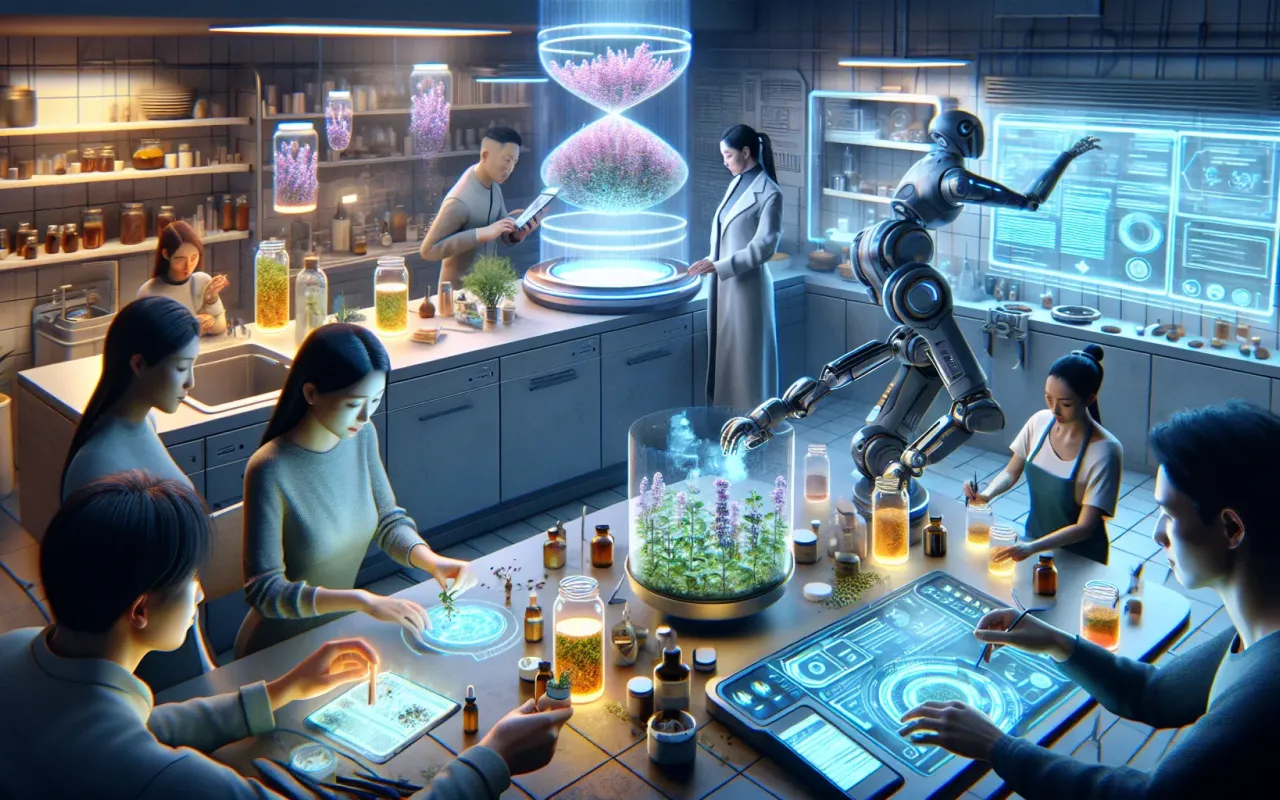
Discover how to make your own herbal extracts at home with this comprehensive step-by-step guide. Learn simple and safe methods for extracting the benefits of herbs.
- November 15, 2024
AceShowbiz - Making herbal extracts at home can be a rewarding and beneficial activity. Herbal extracts are concentrated solutions made by soaking herbs in a solvent, and they're commonly used for their potential health benefits. Creating your own herbal extracts allows you to have full control over the quality and potency of the resulting product. In this guide, we'll walk you through the process of making herbal extracts at home using simple and safe methods.
Understanding Herbal Extracts
Herbal extracts are concentrated solutions that capture the active compounds of herbs. These compounds are typically extracted using solvents such as alcohol, glycerin, or vinegar. The choice of solvent depends on your preference and the specific properties of the herb being used. Herbal extracts can be used for various purposes, including medicinal applications, aromatherapy, or cooking.
Materials Needed for Making Herbal Extracts at Home
1. Herbs
Select fresh or dried herbs for your extract. Fresh herbs may offer a more potent extract, but dried herbs are often easier to work with and store. Popular herbs for extracts include echinacea, chamomile, lavender, and mint.
2. Solvents
The most common solvents used for making herbal extracts at home are:
- Alcohol: High-proof alcohol such as vodka or brandy is preferred for extracting most herbal compounds.
- Glycerin: A non-alcoholic alternative that creates a sweet, syrup-like extract, suitable for children and those avoiding alcohol.
- Vinegar: Apple cider vinegar is another alcohol-free option, though its potency may vary compared to alcohol-based extracts.
3. Glass Jars
Use clean, sterilized glass jars for the extraction process. The jars should have tight-fitting lids to prevent contamination and evaporation of the solvent.
4. Strainer and Cheesecloth
A fine-mesh strainer and cheesecloth will be needed to filter the extract, removing solid herb materials from the liquid.
Step-by-Step Process for Making Herbal Extracts at Home
Step 1: Prepare the Herbs
Start by chopping or crushing the herbs to increase the surface area and aid extraction. If using dried herbs, ensure they are finely crushed.
Step 2: Fill the Jar
Place the prepared herbs into your glass jar, filling it about halfway. Do not pack the herbs too tightly, as they need space to release their compounds into the solvent.
Step 3: Add the Solvent
Pour your chosen solvent over the herbs, ensuring they are completely submerged. Leave some space at the top of the jar to allow for expansion during the extraction process.
Step 4: Seal and Shake
Seal the jar with a tight-fitting lid and shake gently to mix the contents. Label the jar with the date and the type of herbs and solvent used.
Step 5: Extraction Period
Store the jar in a cool, dark place for a period ranging from 2 weeks to 2 months, depending on the herb and desired potency. Shake the jar gently every few days to mix the ingredients.
Step 6: Strain the Extract
Once the extraction period is complete, use a strainer and cheesecloth to filter out the solid herb material. Pour the liquid extract into a clean, amber-colored glass bottle to protect it from light exposure.
Step 7: Label and Store
Label the bottle with the date and type of extract. Store your herbal extract in a cool, dark place. Alcohol-based extracts can last for several years, while glycerin and vinegar extracts may have a shorter shelf life.
Tips for Safe and Effective Herbal Extract Preparation
Quality of Herbs
Always use high-quality, organic herbs to ensure the safety and effectiveness of your extracts. Avoid using herbs treated with pesticides or other chemicals.
Proper Storage
Store your extracts in dark glass bottles to protect them from light and extend their shelf life. Keep the bottles in a cool, dark place, and avoid exposing them to extreme temperatures.
Testing for Sensitivity
Before using a new herbal extract, perform a patch test by applying a small amount to your skin and observing for any adverse reactions. This is especially important for those with sensitive skin or allergies.
Consultation with Healthcare Professionals
If you plan to use herbal extracts for medicinal purposes, consult with a healthcare professional or a qualified herbalist. They can provide guidance on dosages and potential interactions with medications.
Conclusion
Making herbal extracts at home is a simple and rewarding process that allows you to harness the benefits of herbs in a concentrated form. By carefully selecting high-quality herbs and following safe extraction methods, you can create effective and potent extracts for various uses. Happy extracting!