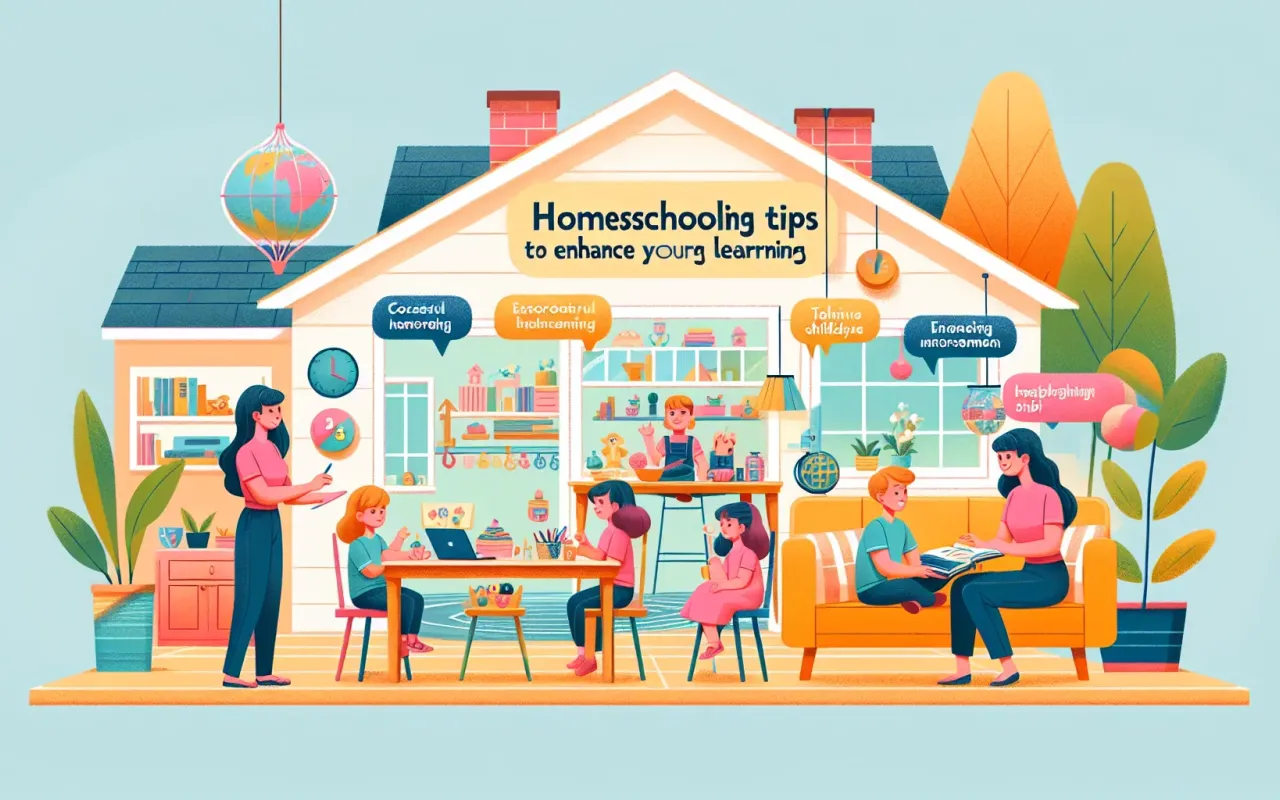
Discover 10 effective homeschooling tips for young children to enhance their learning experience. Expert advice on routines, learning environments, and engagement.
- November 14, 2024
AceShowbiz - Homeschooling young children can be both a rewarding and challenging experience. It requires careful planning, patience, and creative strategies to ensure that children not only learn effectively but also enjoy the process. Here are 10 effective homeschooling tips for young children to boost their learning and keep them engaged.
1. Establish a Routine
One of the most crucial aspects of homeschooling is creating a consistent routine. Young children thrive on structure, and a predictable schedule helps them understand what to expect each day. Designate specific times for various activities, including lessons, playtime, and breaks. Consistency will help children transition more smoothly between activities and stay focused.
Creating a Daily Schedule
Outline a daily schedule that aligns with your child’s natural rhythms. For instance, if your child is more alert in the morning, schedule the most challenging subjects during that time. Include breaks to prevent fatigue and maintain their attention span.
2. Design a Dedicated Learning Space
Having a dedicated learning space helps children distinguish between playtime and learning time. Choose a quiet, well-lit area free from distractions where your child can focus on their studies. Stock the space with necessary supplies such as pencils, paper, and educational materials.
Personalizing the Learning Environment
Personalize the learning space with educational posters, a world map, or a chalkboard. This not only makes the area inviting but also stimulates curiosity and a desire to learn.
3. Incorporate Play-Based Learning
Young children learn best through play. Incorporate play-based learning activities that are both fun and educational. Use games, puzzles, and educational toys to teach concepts such as math, reading, and science.
Examples of Play-Based Activities
For instance, use building blocks to teach counting and basic arithmetic. Storytime can be used to enhance reading skills and comprehension. Interactive science experiments can ignite a child’s interest in the natural world.
4. Utilize Educational Technology
There are numerous educational apps and online resources designed specifically for young learners. These tools can make learning more interactive and engaging. Use educational videos, interactive games, and e-books to supplement traditional learning methods.
Choosing the Right Tools
Ensure that the technology you select is age-appropriate and aligns with educational standards. Monitor screen time to keep it within healthy limits and complement digital learning with hands-on activities.
5. Foster a Love for Reading
Reading is fundamental to a child’s education. Foster a love for reading by introducing a wide variety of books that cater to their interests. Read aloud to your child regularly and encourage them to explore books independently as well.
Building a Home Library
Create a home library with books of different genres and levels. Regular visits to the public library can also expand access to a plethora of reading materials and foster a love for books.
6. Encourage Social Interaction
Homeschooling doesn’t mean a child has to miss out on social interactions. Arrange playdates, join homeschooling groups, or enroll your child in extracurricular activities such as sports, music, or art classes. These interactions are essential for developing social skills and friendships.
Participating in Community Events
Take advantage of community events, museum visits, and educational workshops. These experiences provide opportunities for children to engage with peers and learn in diverse environments.
7. Customize Learning to Your Child’s Interests
Every child has unique interests and learning styles. Tailoring lessons to these interests can make learning more enjoyable and effective. If your child loves animals, incorporate science lessons about wildlife. If they're fascinated by space, delve into astronomy.
Adapting Curriculum
Adapt the curriculum to include projects and activities that align with your child’s passions. This personalization can significantly boost engagement and retention of knowledge.
8. Incorporate Physical Activity
Physical activity is crucial for a child’s development. Incorporate movement breaks, outdoor play, and physical education into your homeschooling routine. Activities such as dance, yoga, or simple exercises can help improve concentration and overall well-being.
Planning Active Lessons
Plan lessons that can be conducted outdoors or include physical movement. This not only makes learning fun but also supports physical health.
9. Focus on Life Skills
Homeschooling provides an excellent opportunity to teach life skills alongside academic learning. Involve your child in daily tasks like cooking, gardening, and housekeeping. These activities teach responsibility, self-sufficiency, and practical skills.
Making Life Skills Fun
Create fun and educational activities around life skills. For example, cooking can be used to teach math and science, while gardening can offer lessons in biology and environmental awareness.
10. Seek Support and Resources
Homeschooling can be challenging, and it’s important not to go it alone. Seek support from other homeschooling families, use online forums, and access educational resources. There are many books, websites, and communities dedicated to helping homeschooling parents.
Utilizing Homeschooling Networks
Joining local or online homeschooling groups can provide valuable support, resources, and a sense of community. Experienced homeschooling parents can offer advice and share successful strategies.
Conclusion
Homeschooling young children is a rewarding journey that offers the flexibility to tailor education to your child's unique needs and interests. By establishing routines, creating engaging learning environments, incorporating technology and play, fostering social interactions, and emphasizing life skills, you can create a holistic and enriching learning experience. Remember, the goal is not just academic success but also nurturing a lifelong love for learning in your child.