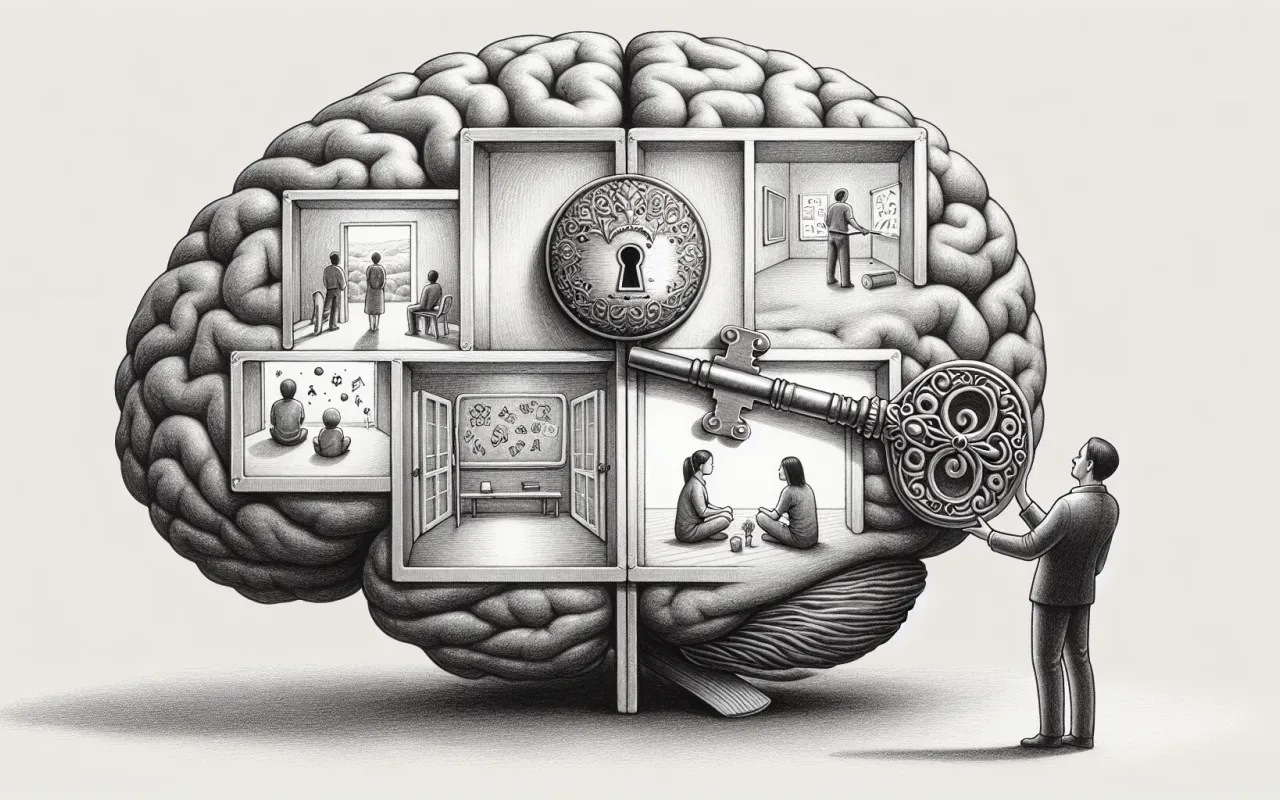
Explore how unlocking cognitive empathy can significantly enhance emotional intelligence and its practical applications in real life.
- November 12, 2024
AceShowbiz - In an increasingly interconnected world, the ability to understand and manage our own emotions and those of others has never been more critical. This art, largely governed by emotional intelligence, hinges on the power of cognitive empathy. By unlocking cognitive empathy, we can significantly enhance our emotional intelligence and apply it effectively in various aspects of daily life.
Understanding Cognitive Empathy
Cognitive empathy refers to the ability to understand another person's perspective or mental state. It involves comprehending what others might be thinking or feeling, which differs from emotional empathy (feeling others' emotions) and compassionate empathy (taking action to help). Cognitive empathy is essential for nuanced social interactions, fostering better communication, and conflict resolution.
Cognitive Empathy vs. Emotional Empathy
While both cognitive and emotional empathy are vital, understanding the distinction is crucial:
- Cognitive Empathy: Involves intellectual understanding of another's emotional state. It helps in anticipating and interpreting someone's thoughts and behaviors.
- Emotional Empathy: Involves feeling what another person feels. It is a more innate form of empathy that fosters emotional connections and bonding.
Enhancing Emotional Intelligence Through Cognitive Empathy
Emotional intelligence (EI) encompasses self-awareness, self-regulation, motivation, empathy, and social skills. Here’s how cognitive empathy strengthens these components:
1. Improved Self-Awareness
By honing cognitive empathy, individuals become more attuned to their own emotional processes. Understanding how others perceive you can lead to better self-awareness and personal growth.
2. Enhanced Self-Regulation
Cognitive empathy provides insights into how emotions influence behavior, aiding in managing and regulating one's own emotional responses more effectively.
3. Better Motivation
Understanding the perspectives and emotions of others can foster intrinsic motivation. It allows for setting more empathetic and realistic goals, thereby increasing personal and professional fulfillment.
4. Strengthened Empathy
While cognitive empathy is a component of emotional intelligence, it also reinforces overall empathetic capabilities. This forms a foundation for compassionate actions and deeper human connections.
5. Superior Social Skills
Social skills are pivotal in navigating personal and professional environments. Cognitive empathy enhances communication, teamwork, and conflict resolution skills by promoting a better understanding within interactions.
Practical Applications of Cognitive Empathy in Real-Life
The real value of cognitive empathy lies in its practical application. Here are areas where cognitive empathy can be particularly impactful:
1. Workplace Dynamics
In professional settings, cognitive empathy facilitates better leadership, collaboration, and conflict resolution. Managers who practice cognitive empathy can create more inclusive and understanding work environments.
2. Personal Relationships
In personal life, cognitive empathy can enhance relationships by fostering deeper understanding and communication. It helps in resolving conflicts and nurturing supportive connections with loved ones.
3. Education
In educational settings, teachers who employ cognitive empathy are better equipped to understand student needs and challenges, making them more effective educators.
4. Healthcare
Healthcare professionals can improve patient care by utilizing cognitive empathy, enabling them to better understand and address patient concerns and emotional states.
5. Conflict Resolution
Whether in personal disputes or international diplomacy, cognitive empathy helps in understanding different perspectives, leading to more effective and lasting resolutions.
Steps to Develop Cognitive Empathy
With its significant benefits, cultivating cognitive empathy is worth the effort. Here are practical steps to get started:
1. Active Listening
Practice active listening by paying full attention to the speaker, reflecting on their words, and responding thoughtfully. Avoid interrupting or planning your response while they speak.
2. Perspective-Taking
Make a conscious effort to see situations from another person’s perspective. Ask yourself how you would feel and think if you were in their position.
3. Emotional Curiosity
Be curious about others’ emotions and thoughts. Ask open-ended questions that encourage them to share their feelings and viewpoints.
4. Mindfulness Practices
Engage in mindfulness practices like meditation to improve self-awareness and the ability to stay present, which can enhance empathetic understanding.
5. Reading Fiction
Reading fiction can improve cognitive empathy by allowing you to experience diverse perspectives and emotional landscapes through characters.
Conclusion
Cognitive empathy is a powerful tool in enhancing emotional intelligence and its practical applications in real life. By understanding and addressing the emotions and perspectives of others, we can improve our personal development, foster healthier relationships, and achieve greater professional success. Implementing practices to develop cognitive empathy can the bedrock for positive, impactful changes in various aspects of life, making it an essential skill for navigating today's complex world.