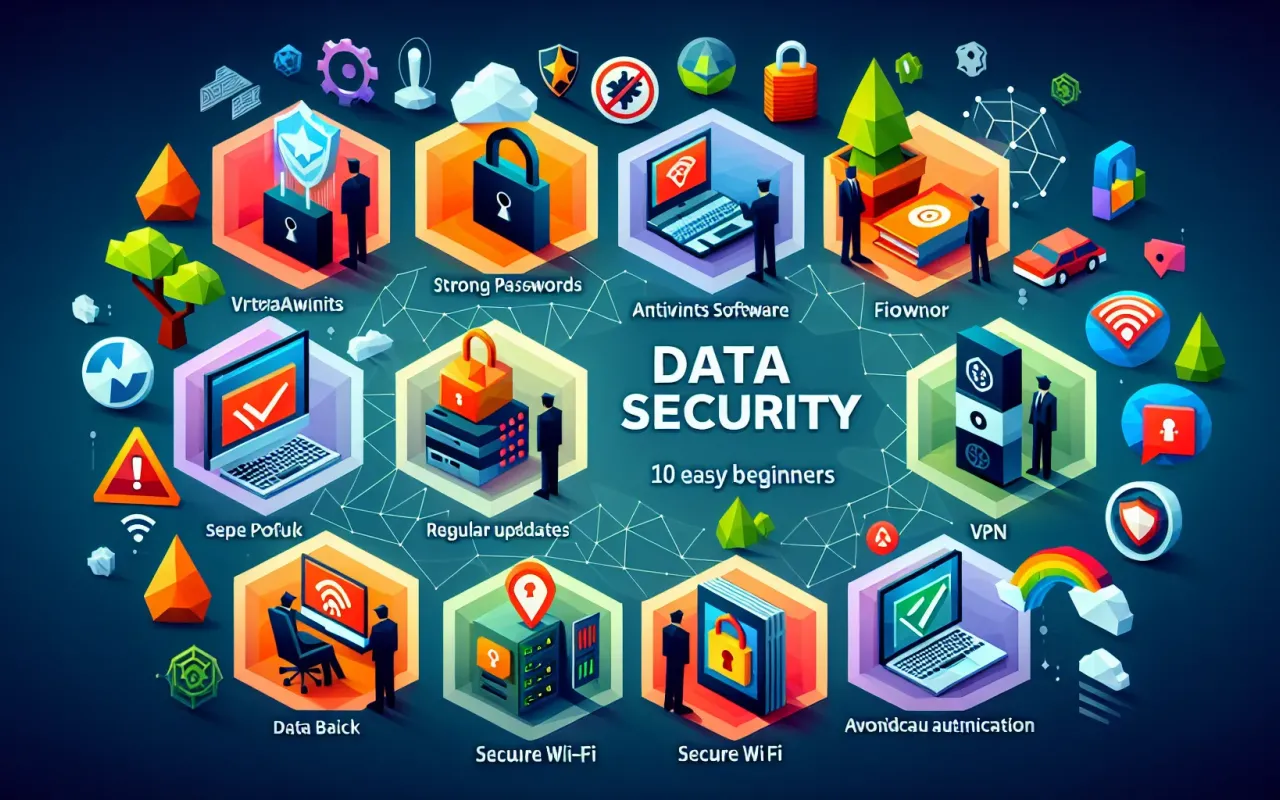
Discover 10 easy data security tips for beginners to protect your information. Our comprehensive guide helps you secure your personal and professional data effectively.
- November 10, 2024
AceShowbiz - In today’s digital age, data security is crucial. Whether you’re using personal devices or handling sensitive information for work, keeping your data safe is paramount. This article provides easy data security tips for beginners that ensure your information remains secure. Let’s dive in!
1. Create Strong Passwords
Passwords are your first line of defense against unauthorized access. Use a combination of upper and lower case letters, numbers, and symbols to create strong passwords. Avoid using easily guessable information like birthdays or common words. Consider using a password manager to keep track of multiple passwords.
2. Enable Two-Factor Authentication (2FA)
Two-factor authentication adds an extra layer of security by requiring two forms of identification before granting access. This could be a password and a one-time code sent to your phone. Enabling 2FA on your accounts minimizes the risk of unauthorized access even if your password is compromised.
3. Keep Your Software Up-to-Date
Software updates often include security patches that fix vulnerabilities. Regularly updating your operating system, antivirus software, and other applications can protect you from known threats. Set your devices to update automatically to ensure you’re always protected.
4. Use Antivirus and Anti-Malware Software
Install reliable antivirus and anti-malware software on your devices. These tools can detect and remove malicious software that could compromise your data. Schedule regular scans and keep your definitions up-to-date to stay protected.
5. Be Wary of Phishing Scams
Phishing scams involve fraudulent attempts to obtain sensitive information by pretending to be a trustworthy entity. Be cautious of emails, messages, or websites that ask for personal information. Verify the source before clicking any links or providing details.
6. Secure Your Wi-Fi Network
Unsecured Wi-Fi networks are easy targets for hackers. Change the default settings on your router, use strong passwords, and enable WPA3 encryption if available. Consider hiding your network’s SSID to make it harder for unauthorized users to find.
7. Backup Your Data Regularly
Regular backups ensure that you can recover your data in case of a loss or breach. Use an external hard drive or cloud storage service to back up your important files automatically. Ensure that your backup method is secure and regularly check the integrity of your backups.
8. Implement Access Controls
Limit access to your data by implementing access controls. Only allow trusted individuals to access sensitive information, and use user accounts with varying levels of access permissions. Regularly review and update access rights as needed.
9. Be Mindful of Public Wi-Fi
Public Wi-Fi networks are not secure, making it easy for hackers to intercept your data. Avoid accessing sensitive information or performing financial transactions on public Wi-Fi. Use a Virtual Private Network (VPN) to encrypt your connection when using public networks.
10. Educate Yourself and Others
Staying informed about the latest security threats and best practices is essential. Educate yourself and others around you about data security. Participate in training sessions and share tips with your friends, family, and colleagues to promote good security habits.
Conclusion
Data security doesn’t have to be complicated. By following these easy data security tips for beginners, you can significantly reduce the risk of data breaches and protect your personal and professional information. Start implementing these practices today and stay vigilant in safeguarding your data. Your proactive approach will ensure that your information remains secure in an ever-evolving digital landscape.