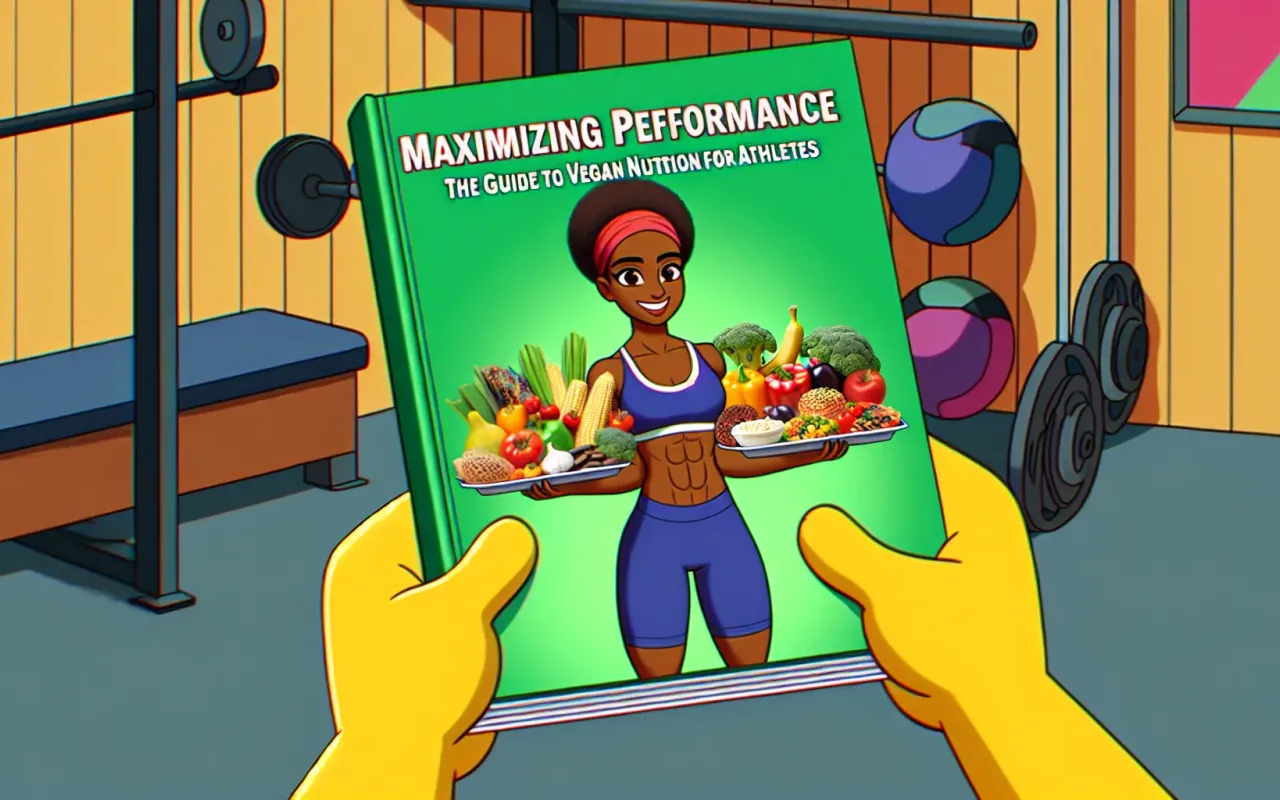
Discover the ultimate guide to vegan nutrition for athletes. Learn how to optimize your performance with a well-balanced vegan diet, addressing common concerns and providing practical tips.
- October 30, 2024
AceShowbiz - The landscape of sports nutrition is evolving, and many athletes are turning to vegan diets to enhance their performance and overall health. This comprehensive guide explores how vegan nutrition can be optimized for athletes to support their physical demands and maximize their performance.
The Rise of Vegan Athletes
Over recent years, a growing number of elite athletes have adopted vegan diets, citing benefits ranging from improved recovery times to enhanced endurance. Notable athletes such as Venus Williams, Lewis Hamilton, and Scott Jurek have credited their plant-based diets for their competitive edge and longevity in their respective sports.
Understanding Vegan Nutrition
Vegan nutrition focuses on obtaining all essential nutrients from plant-based sources, excluding all animal products such as meat, dairy, and eggs. A well-planned vegan diet can provide all the necessary macro and micronutrients needed for athletic performance.
Macronutrients: Carbohydrates, Proteins, and Fats
Carbohydrates: For athletes, carbohydrates are crucial as they serve as the primary energy source during high-intensity activities. Vegan athletes can obtain carbohydrates from sources like whole grains, fruits, vegetables, and legumes.
Proteins: Protein is vital for muscle repair and growth. Key vegan protein sources include beans, lentils, tofu, tempeh, seitan, and quinoa. Including a variety of these sources ensures a complete amino acid profile.
Fats: Healthy fats are essential for hormone production and energy. Avocados, nuts, seeds, and oils such as olive and coconut oil provide these necessary fatty acids.
Micronutrients: Vitamins and Minerals
Ensuring adequate intake of vitamins and minerals is crucial for athletes. Some nutrients require special attention in a vegan diet:
Vitamin B12: Typically found in animal products, vegan athletes should consider fortified foods or supplements to meet their B12 needs.
Iron: Plant-based iron, or non-heme iron, is less easily absorbed by the body. Consuming vitamin C-rich foods alongside iron-rich foods like beans and spinach can enhance absorption.
Calcium: Essential for bone health, vegan sources include fortified plant milks, leafy greens, and almonds.
Omega-3 Fatty Acids: Found in flaxseeds, chia seeds, hemp seeds, and algae-based supplements, omega-3s support cardiovascular health and reduce inflammation.
Meal Planning for Vegan Athletes
Effective meal planning ensures that vegan athletes meet their nutritional requirements. Here are some tips:
Pre-Workout Nutrition
Pre-workout meals should focus on easily digestible carbohydrates and moderate protein to fuel the workout. Examples include a smoothie with bananas, berries, spinach, and plant-based protein powder or toast with almond butter and sliced bananas.
Post-Workout Recovery
Post-workout nutrition is crucial for muscle recovery and replenishing glycogen stores. Optimal post-workout meals combine carbohydrates and proteins, such as a quinoa salad with vegetables and chickpeas or a tofu stir-fry with brown rice.
Overcoming Common Challenges
Caloric Intake
Due to the high fiber content of plant-based foods, vegan athletes might feel full before meeting their caloric needs. Including energy-dense foods like nuts, seeds, and dried fruits can help achieve the required caloric intake.
Maintaining Muscle Mass
Ensuring adequate protein intake is critical for muscle mass maintenance. Incorporating a variety of protein sources and considering supplements like plant-based protein powders can support muscle health.
Hydration and Supplementation
Staying Hydrated
Proper hydration is essential for all athletes, including vegans. Consuming a variety of fluids, such as water, coconut water, and herbal teas, can keep athletes hydrated throughout the day.
Supplementing Wisely
While a balanced vegan diet can meet most nutritional needs, some athletes might benefit from supplements. Common supplements include vitamin B12, vitamin D, iron, omega-3 fatty acids, and creatine. Consulting with a healthcare professional before beginning any supplementation regimen is advisable.
Conclusion
Vegan nutrition for athletes is not only feasible but can offer significant benefits for performance and recovery. By focusing on a balanced intake of macronutrients, paying attention to critical micronutrients, planning effective pre- and post-workout meals, and considering thoughtful supplementation, vegan athletes can thrive and excel in their sports. Embracing a vegan diet can ultimately contribute to enhanced athletic performance, overall health, and well-being.