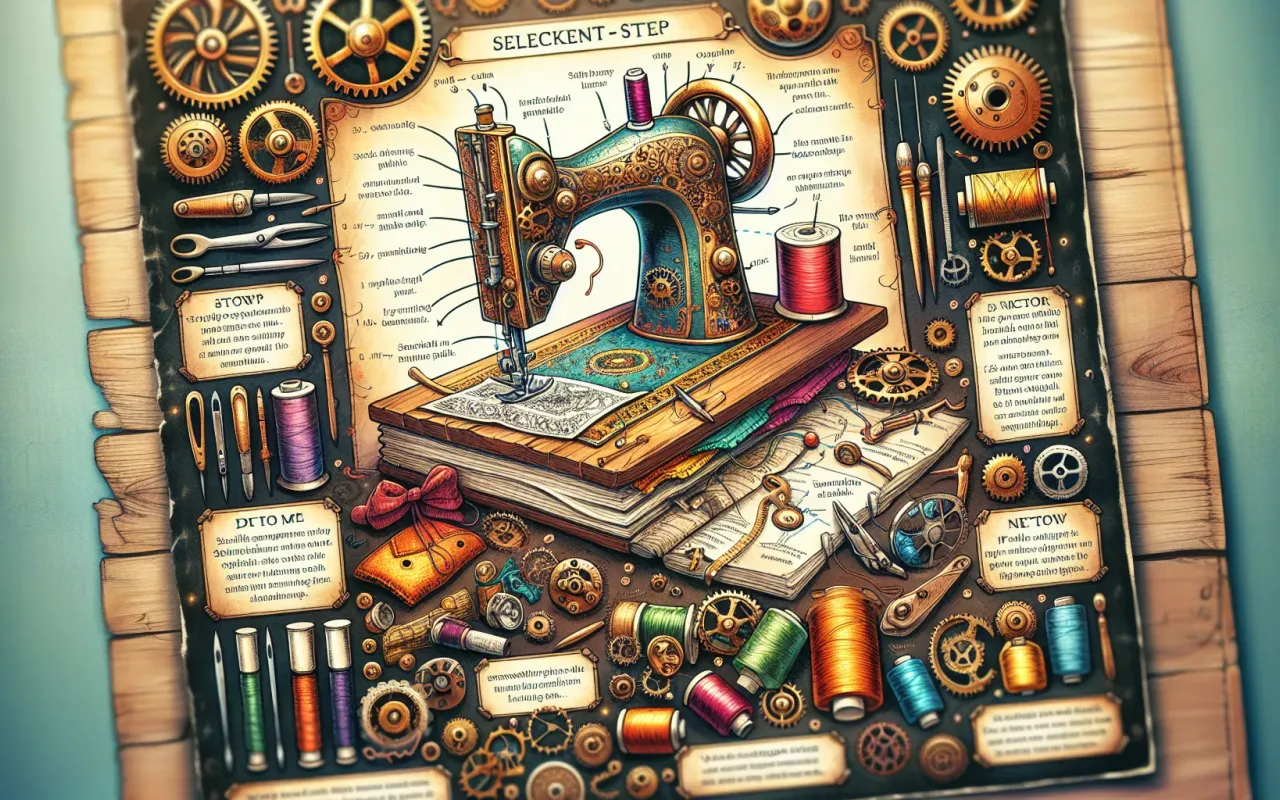
Unlock the world of sewing with this ultimate guide to step-by-step DIY sewing projects for beginners. Learn how to master essential stitches, choose the right fabrics, and create simple yet stylish projects with our expert tips.
- October 28, 2024
Sewing can be both a practical skill and a creative outlet, offering the satisfaction of crafting beautiful and functional items with your own hands. Whether you're looking to hem a skirt, create custom pillow covers, or begin more intricate projects, this guide to step-by-step DIY sewing projects for beginners will give you the foundation needed to get started.
Understanding the Basics of Sewing
Essential Sewing Tools and Supplies
Before diving into your first sewing project, it's crucial to gather the necessary tools and supplies. Here are some must-haves:
- Sewing machine
- Scissors specifically for fabric
- Measuring tape or ruler
- Pins and pin cushion
- Seam ripper
- Iron and ironing board
- A variety of threads and needles
Choosing the Right Fabric
The type of fabric you select can significantly impact the outcome of your project. Beginners should start with medium-weight woven fabrics like cotton or linen, which are easier to handle. Avoid slippery fabrics like silk or stretchy materials like jersey until you have more experience.
Mastering Basic Stitches
Understanding and practicing basic stitches is key to success in your sewing projects. Here are a few foundational stitches:
- Running Stitch: A simple and straightforward stitch used for basic seams.
- Backstitch: Stronger than a running stitch, ideal for permanent seams.
- Zigzag Stitch: Used to prevent fabric fraying and add decorative elements.
Step-by-Step DIY Sewing Projects
Project 1: Simple Tote Bag
A tote bag is a practical first project that helps you practice straight stitching and basic construction techniques. Here's how to make your own:
- Cut two pieces of fabric to your desired size (e.g., 16x18 inches).
- Sew the sides and bottom edges together, leaving the top open.
- Create straps by sewing two long strips of fabric, turning them right side out, and attaching them to the bag's opening.
- Finish by sewing a hem around the top edge of the bag.
Project 2: Envelope Pillow Cover
Pillow covers are a great way to customize your home décor while practicing sewing straight lines and creating hems. Follow these steps:
- Measure your pillow and cut one front panel and two back panels with overlapping flaps.
- Hem one edge of each back panel flap.
- With right sides together, sew the front panel to the back panels, ensuring the flaps overlap.
- Turn the cover right side out and insert your pillow.
Project 3: Drawstring Bag
A drawstring bag is a versatile project that introduces you to creating casings and inserting drawstrings. Here's a quick guide:
- Cut a piece of fabric to your desired size, fold it in half, and sew the sides together, leaving the top open.
- Fold the top edge down twice to create a casing for the drawstring and sew along the edge, leaving a small opening for the string.
- Thread a drawstring through the casing using a safety pin.
Troubleshooting Common Beginner Mistakes
Skipping the Seam Allowance
A common mistake is not including enough seam allowance, which can cause your fabric to fray or your item to be too small. Always add an extra 1/4 to 1/2 inch to your fabric edges.
Incorrect Tension Settings
Incorrect tension settings can result in loose or tight stitches. Consult your sewing machine manual to understand the correct tension settings for different fabrics.
Not Pressing Seams
Pressing seams with an iron will give your projects a professional finish. It can make a significant difference in the appearance and durability of your items.
Benefits of DIY Sewing Projects
Beyond the joy of creating something with your own hands, sewing offers numerous benefits, including:
- Cost Savings: Making your own clothes and home décor can be more affordable than purchasing them.
- Customization: You can tailor projects to fit your style and needs perfectly.
- Skill Development: Sewing enhances fine motor skills and boosts creativity.
- Eco-Friendly: Creating and repairing items reduces waste and promotes sustainable living.
Conclusion
Embarking on step-by-step DIY sewing projects for beginners can be incredibly rewarding. By understanding the basics, choosing the right materials, and starting with simple projects, you’ll build confidence and skills that will empower you to take on more complex creations. Remember, practice is key to mastering sewing techniques, so keep experimenting and enjoy the process of making something uniquely yours.