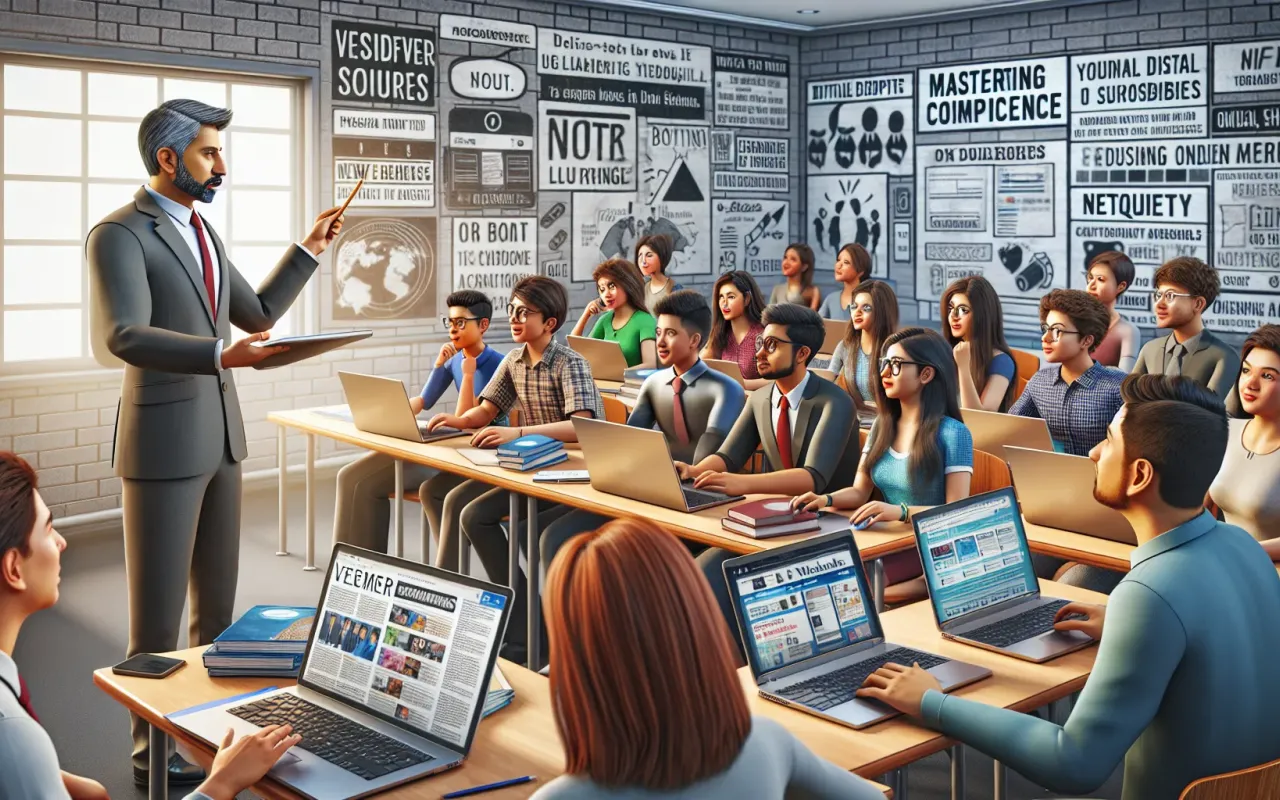
Discover strategies for teaching media literacy in the digital age. This comprehensive guide covers essential skills, effective methods, and the importance of media literacy education.
- October 24, 2024
In a world where information dissemination is rapid and unchecked, media literacy has become an essential skill. Teaching media literacy in the digital age is key to helping individuals critically assess the information they encounter and make informed decisions based on accurate data. This article aims to explore practical strategies for enhancing digital competence and fostering media literacy.
What is Media Literacy?
Media literacy involves the ability to access, analyze, evaluate, and create media in various forms. It empowers individuals to be critical thinkers and discerning consumers of information. In the digital age, media literacy extends to understanding the nuances of digital media, including social media platforms, news sites, blogs, and other online content.
Importance of Media Literacy Education
With the proliferation of fake news, misinformation, and biased reporting, teaching media literacy is more crucial than ever. Media literacy education helps individuals:
- Distinguish between credible and non-credible sources
- Understand the impact of media on society
- Develop critical thinking skills
- Avoid falling victim to online scams and digital fraud
- Promote responsible digital citizenship
Essential Skills for Media Literacy
Critical Thinking
Critical thinking is at the core of media literacy. It involves analyzing information, questioning its sources, and discerning its accuracy. Encourage students to ask questions such as:
- Who created this content?
- What is the purpose of this message?
- Is the information supported by evidence?
- Are there any biases or underlying agendas?
Digital Literacy
Understanding how to use digital tools and platforms efficiently is another crucial aspect. Teach students to navigate the online world safely, manage their digital footprints, and employ privacy settings to protect their online identities.
Research Skills
Effective research skills enable individuals to locate reliable sources, verify facts, and cross-reference information. Encourage the use of reputable databases, academic journals, and trusted news organizations for gathering information.
Media Creation
Knowing how to create media responsibly and ethically is an often-overlooked aspect of media literacy. Teach students to produce content that is accurate, respectful, and thoughtful, understanding the impact their contributions can have on the wider community.
Strategies for Teaching Media Literacy
Incorporate Media Literacy into the Curriculum
Integrate media literacy education across various subjects, such as language arts, history, and social studies. Use current events, multimedia projects, and digital storytelling to create engaging lessons that highlight the importance of media literacy.
Use Real-World Examples
Utilize current news stories, social media posts, and other digital content to provide practical examples of media literacy principles. This helps students apply their learning to real-life scenarios and understand the relevance of media literacy.
Promote Informed Media Consumption
Encourage students to diversify their media consumption by exploring different news sources, perspectives, and genres. This helps them develop a well-rounded view of the world and recognize the importance of varied viewpoints.
Foster a Critical Mindset
Teach students to approach media with a critical mindset rather than accepting information at face value. Encourage skepticism and curiosity, guiding them to seek out evidence and question assumptions.
Engage in Collaborative Learning
Collaborative projects and group discussions provide opportunities for students to share insights, debate viewpoints, and develop their media literacy skills together. Peer feedback and interaction enhance the learning experience and foster a community of critical thinkers.
Utilize Technology and Tools
Leverage digital tools and resources, such as fact-checking websites, online forums, and educational software, to enhance media literacy education. These tools can provide interactive, engaging, and up-to-date learning experiences for students.
Challenges in Teaching Media Literacy
While teaching media literacy is essential, it is not without its challenges. Some common obstacles include:
- Rapid Changes in Technology: Keeping up with the fast-paced evolution of digital platforms can be difficult for educators.
- Information Overload: The sheer volume of information available online can be overwhelming for students to navigate.
- Bias and Misinformation: Identifying and addressing biases in media and combating misinformation is a constant challenge.
- Resource Limitations: Many schools may lack the resources, training, or support necessary to implement comprehensive media literacy programs.
Overcoming Challenges and Moving Forward
Professional Development for Educators
Investing in ongoing professional development for teachers is crucial for staying current with digital media trends and effective teaching strategies. Workshops, online courses, and peer mentoring can empower educators to deliver high-quality media literacy education.
Collaboration with Stakeholders
Collaboration with parents, community organizations, and media professionals can provide additional support and resources for media literacy education. Engaging stakeholders in the learning process ensures a comprehensive and community-driven approach.
Developing Critical Media Literacy Programs
Create structured media literacy programs that address various aspects of digital competence, from fundamental skills to advanced analysis. Tailored programs can meet the diverse needs of students and provide a well-rounded media literacy education.
Harnessing the Power of Technology
Utilize educational technologies and digital tools to enhance learning experiences and provide interactive, real-time examples. Encourage students to use technology responsibly and develop lifelong media literacy skills.
Conclusion
Teaching media literacy in the digital age is a vital component of modern education. By equipping students with the skills to critically assess and engage with media, we empower them to navigate the digital landscape confidently and responsibly. As educators, parents, and community members, we must work together to promote media literacy and ensure that individuals are prepared for the challenges and opportunities of the digital age.