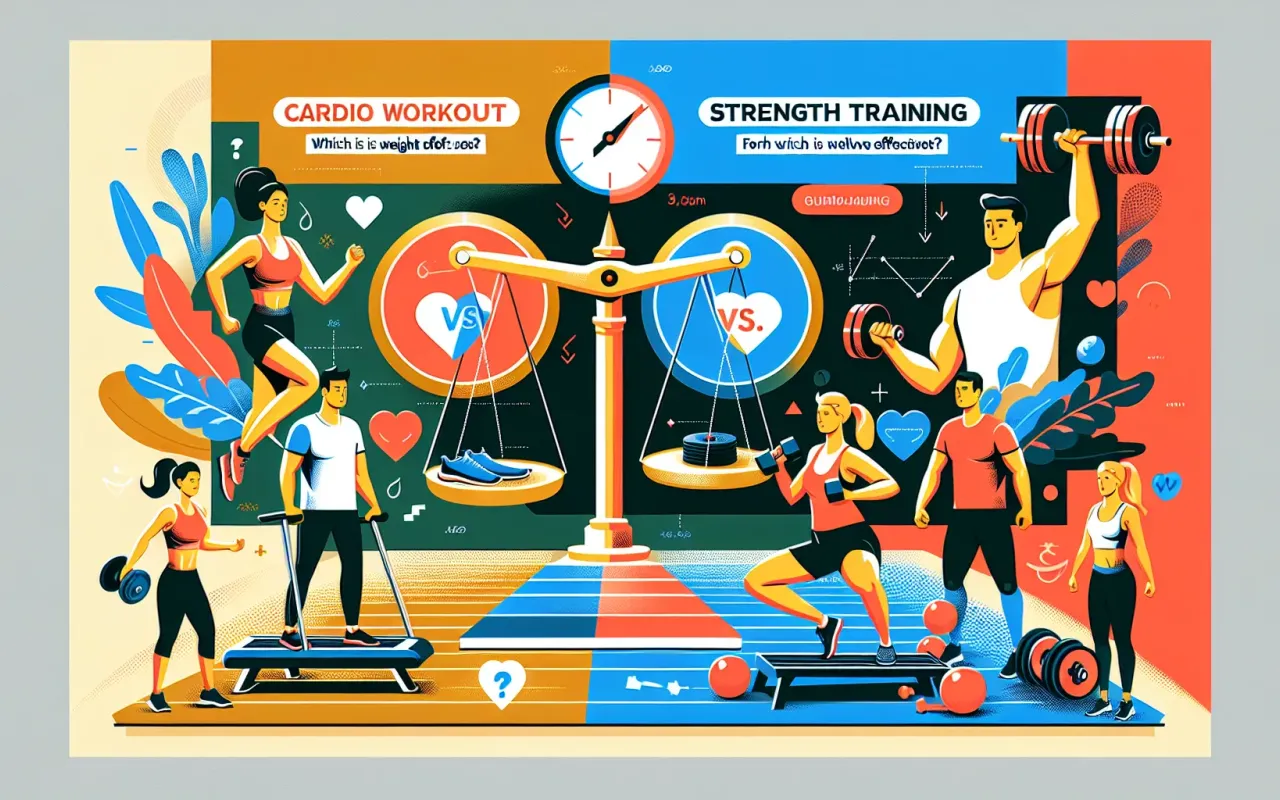
Explore the effectiveness of cardio vs. strength training for weight loss. Understand the benefits, drawbacks, and recommended approaches for achieving your fitness goals.
- October 23, 2024
AceShowbiz - When discussing cardio vs. strength training for weight loss, opinions often differ. Some swear by hours on the treadmill, while others advocate for lifting weights to shed those extra pounds. So, which is truly more effective? This article explores the benefits and drawbacks of each to help you make an informed decision.
Understanding Cardio for Weight Loss
Cardiovascular exercise, commonly known as cardio, involves activities that increase your heart rate, such as running, cycling, and swimming.
The Benefits of Cardio
- Calorie Burn: Cardio is excellent for burning calories. A 155-pound person can burn roughly 300 calories in 30 minutes of running at a moderate pace.
- Heart Health: Regular cardio improves cardiovascular health, reducing the risk of heart disease.
- Endurance: Enhances stamina and lung capacity, benefiting overall fitness.
The Drawbacks of Cardio
- Muscle Loss: Excessive cardio without strength training can lead to muscle loss.
- Adaptation: The body can quickly adapt to cardio, making it less effective over time unless intensity or duration is increased.
- Joint Stress: High-impact cardio can stress joints, leading to injuries.
Understanding Strength Training for Weight Loss
Strength training focuses on building muscle mass through resistance exercises like weight lifting, bodyweight exercises, and resistance band workouts.
The Benefits of Strength Training
- Increased Metabolism: Building muscle boosts your metabolic rate, helping you burn more calories even at rest.
- Body Composition: Enhances body composition by increasing muscle mass and reducing fat.
- Bone Health: Improves bone density, reducing the risk of osteoporosis.
The Drawbacks of Strength Training
- Learning Curve: Proper form is crucial to prevent injuries, requiring initial guidance or training.
- Delayed Results: Visible results can take longer compared to cardio.
- Equipment: Often requires access to weights or gyms, which might not be feasible for everyone.
Cardio vs. Strength Training: Which is More Effective for Weight Loss?
The effectiveness of cardio vs. strength training for weight loss depends on various factors, including personal preferences, goals, and lifestyle. Here's a comparative analysis to guide your decision:
Caloric Burn
Cardio tends to burn more calories during the workout. However, strength training increases muscle mass, which boosts the resting metabolic rate (RMR), helping burn more calories over time. A balanced combination of both can maximize calorie expenditure.
Afterburn Effect
Strength training has a significant afterburn effect (excess post-exercise oxygen consumption or EPOC), which means your body continues to burn calories hours after the workout. While cardio also has this effect, it is generally more pronounced with strength training.
Long-Term Weight Loss
For sustained weight loss, strength training is more effective due to its impact on muscle mass and metabolic rate. Cardio helps with immediate calorie burn but may require continual adjustments to remain effective.
Health Benefits
Both forms of exercise offer extensive health benefits. Cardio is superior for cardiovascular health, while strength training is essential for maintaining muscle mass, bone health, and metabolic rate.
Combining Cardio and Strength Training
To achieve optimal weight loss, combining cardio and strength training is recommended. This approach not only maximizes caloric burn but also ensures comprehensive fitness benefits.
Sample Workout Routine
- Day 1: Strength Training (Upper Body)
- Day 2: Cardio (Running, Cycling)
- Day 3: Rest or Light Activity (Yoga, Walking)
- Day 4: Strength Training (Lower Body)
- Day 5: Cardio (High-Intensity Interval Training)
- Day 6: Total Body Strength Training
- Day 7: Rest
Conclusion
In the debate of cardio vs. strength training for weight loss, both have their unique advantages. Cardio is excellent for burning calories and improving cardiovascular health, while strength training builds muscle, enhances metabolic rate, and ensures long-term fat loss. A combination of both, tailored to your fitness level and personal preferences, is the most effective strategy for weight loss and overall health.
Whether you prioritize cardio, strength training, or a mix of both, consistency and a balanced approach are key to achieving your weight loss goals and maintaining a healthy lifestyle.