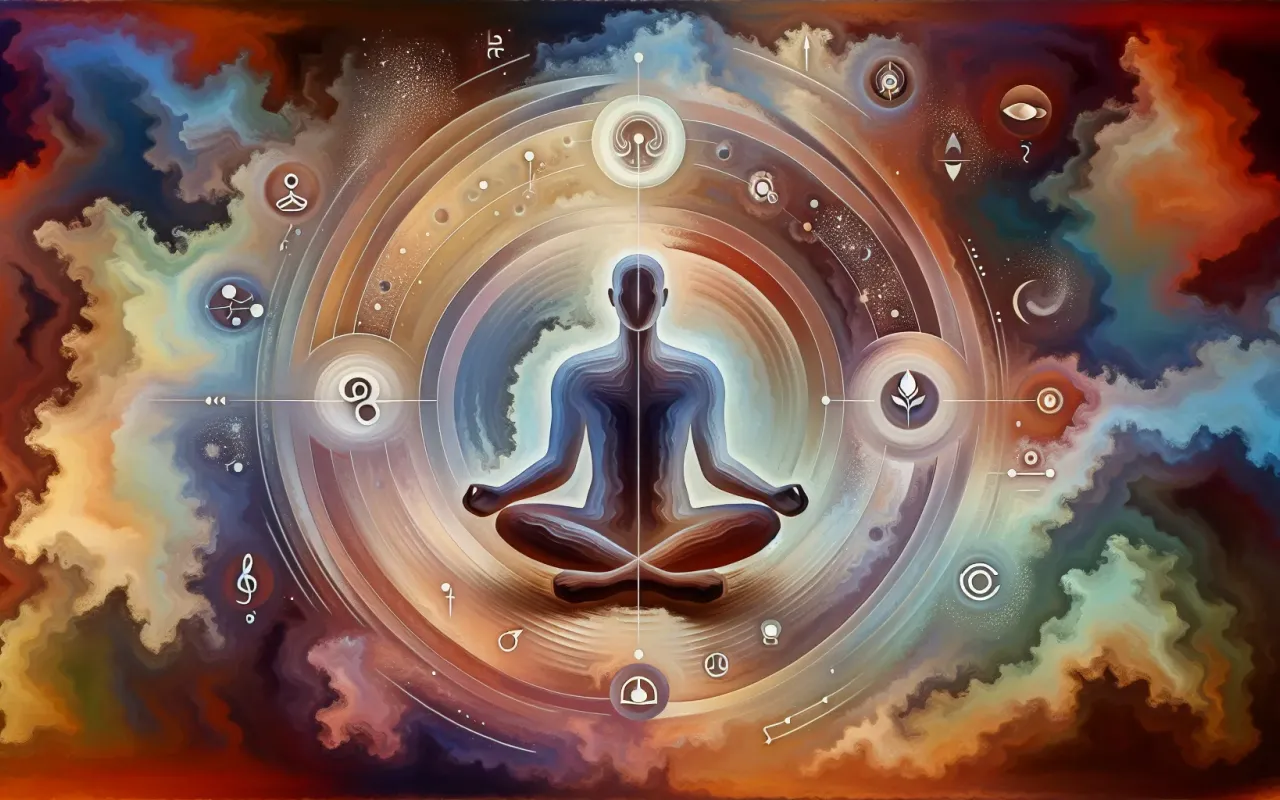
Discover inner peace with our step-by-step guide to meditation for beginners. Learn techniques, tips, and best practices to start your meditation journey effectively.
- October 22, 2024
AceShowbiz - Inner peace and mindfulness are increasingly sought after in today's fast-paced world. Meditation is a powerful tool to achieve this tranquility, yet many beginners find it daunting to start. This guide aims to demystify the process of meditation for beginners, offering a clear path to inner peace.
What is Meditation?
Meditation is a practice whereby an individual uses a technique – such as mindfulness or focusing the mind on a particular object, thought, or activity – to train attention and awareness, achieving a mentally clear and emotionally calm state. It’s an ancient practice rooted in various religious traditions, but it’s also widely used in secular contexts today.
Benefits of Meditation
- Reduced Stress: Regular meditation can help lower cortisol levels, the hormone associated with stress.
- Enhanced Focus: Improves attention span and concentration.
- Emotional Health: Increases self-awareness and promotes emotional health.
- Better Sleep: Aids in achieving better sleep patterns.
- Improved Overall Well-being: Fosters a sense of balance, peace, and overall well-being.
How to Start Meditating: A Step-by-Step Guide
1. Find a Quiet Space
Choose a location where you won’t be disturbed. It’s important to create an environment that’s free from interruptions and noise. This could be a dedicated room, a corner of your home, or even a quiet outdoor space.
2. Get Comfortable
Sit in a comfortable position. You don’t need to sit cross-legged unless it’s comfortable for you. Many people find sitting in a chair with feet flat on the ground works best. Make sure your back is straight to help you stay alert.
3. Set a Time Limit
For beginners, it’s helpful to set a short time limit. Start with 5 to 10 minutes and gradually increase as you become more comfortable with the practice.
4. Focus on Your Breath
Close your eyes and begin to focus on your breath. Pay attention to the sensation of air entering and leaving your body. If your mind begins to wander, gently bring your attention back to your breath without judgment.
5. Body Scan
Perform a quick body scan. Start from the top of your head and slowly move down through your body, noticing any areas of tension. Allow them to relax as you breathe out.
6. Be Kind to Yourself
It’s normal for thoughts to arise during meditation. The goal is not to have a blank mind but to learn to observe your thoughts without becoming attached to them. Gently guide your focus back to your breath whenever you notice your mind wandering.
Common Challenges and Solutions
1. Racing Thoughts
Solution: When your mind starts racing, acknowledge the thoughts without judgment and redirect your focus back to your breath. Over time, this will become easier.
2. Physical Discomfort
Solution: Adjust your posture or use props like cushions to support your body. It’s important to be comfortable to maintain focus.
3. Lack of Time
Solution: Start with just a few minutes each day. Consistency is more important than duration. Carve out a regular time in your routine, whether it's in the morning or before bed.
Advanced Techniques for Inner Peace
1. Guided Meditations
Guided meditations are sessions led by a teacher through audio or video. They can be particularly helpful for beginners as they provide structured guidance and help maintain focus.
2. Mindfulness Meditation
This practice involves fully focusing on what you are experiencing in the present moment without interpretation or judgement. It can be practiced during everyday activities like eating, walking, or even washing dishes.
3. Mantra Meditation
This involves silently repeating a calming word, thought, or phrase to prevent distractions and maintain focus. The mantra can be any word that holds positive significance for you.
Conclusion
Meditation is a practice that can bring profound peace and clarity to your life. Though it may seem challenging at first, with consistent practice and patience, it becomes a rewarding habit. By following this step-by-step guide, beginners can embark on their journey towards inner peace with confidence. Remember, the key is consistency and kindness towards oneself. Happy meditating!