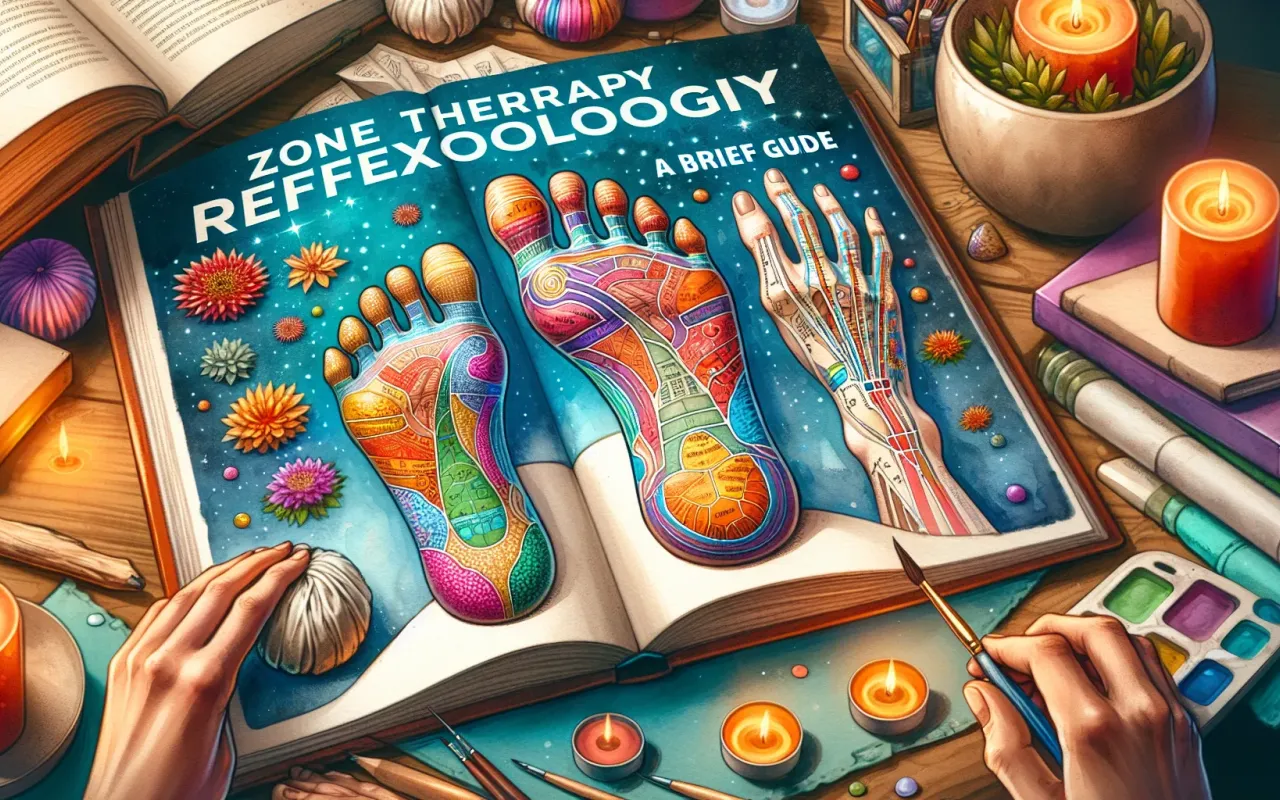
Discover the advantages of zone therapy reflexology techniques and how they can improve your well-being. Learn the key principles and practical applications in this comprehensive guide.
- October 21, 2024
In a world where holistic health is increasingly valued, zone therapy reflexology techniques have garnered attention for their potential to enhance well-being. This guide aims to provide you with an in-depth understanding of these techniques and their benefits, empowering you to incorporate them into your health regimen effectively. Read on to explore the fundamentals, practical applications, and advantages of zone therapy reflexology.
Understanding Zone Therapy Reflexology
Zone therapy, a precursor to modern reflexology, is a form of alternative medicine that involves applying pressure to specific points on the feet, hands, and ears. These points correspond with different zones of the body, with the belief that manipulating them can improve health and alleviate pain in those areas.
History and Origins
Zone therapy originated in ancient times, with roots tracing back to traditional Chinese medicine and ancient Egyptian practices. However, it was Dr. William H. Fitzgerald, an American ear, nose, and throat specialist, who formalized the concept in the early 20th century. Dr. Fitzgerald theorized that the body could be divided into ten vertical zones, and by applying pressure to specific points, practitioners could alleviate pain and promote healing.
How It Works
The primary principle behind zone therapy reflexology techniques is the stimulation of nerve endings believed to correspond with various organs and systems within the body. By massaging or applying pressure to these points, practitioners aim to unblock energy pathways, facilitating the body's natural healing processes.
Benefits of Zone Therapy Reflexology
The advantages of zone therapy reflexology techniques extend beyond mere relaxation. Here are some of the key benefits:
Pain Relief
One of the most common reasons people seek out reflexology is for pain relief. By targeting specific zones on the feet or hands, reflexologists can help alleviate discomfort associated with conditions such as migraines, arthritis, and back pain.
Improved Circulation
Zone therapy can enhance blood flow and oxygenation throughout the body, promoting overall health and efficiency of organs and tissues. Improved circulation can aid in faster recovery and reduced inflammation.
Stress Reduction
Reflexology is known for its capacity to reduce stress and induce relaxation. The practice can lower cortisol levels in the body, thereby diminishing stress and anxiety, which can positively impact mental health.
Enhanced Immune Function
By stimulating the lymphatic system and enhancing the removal of toxins, zone therapy may boost the immune system. A robust immune system is critical for warding off illnesses and maintaining optimal health.
Balancing Hormonal Functions
Reflexology can aid in balancing hormones, which is especially beneficial for people experiencing hormonal imbalances due to conditions such as PMS or menopause.
Practical Applications and Techniques
To reap the benefits of zone therapy reflexology techniques, understanding and executing the correct methods is essential. Here’s how you can get started:
Home Reflexology
While seeking a professional reflexologist is beneficial, basic reflexology techniques can also be practiced at home. You can use charts to identify the various zones and corresponding reflex points on your feet and hands.
Foot Reflexology
Foot reflexology is among the most popular types. Focus on massaging the following key areas for specific benefits:
- Headaches and migraines: Apply pressure to the tips of your toes.
- Heart health: Massage the ball of the foot, below the toes.
- Digestive issues: Focus on the arch of the foot.
Hand Reflexology
Hand reflexology is convenient and can be practiced anywhere. Here are some examples:
- Sinus relief: Apply pressure to the tips of your fingers.
- Neck pain: Massage the base of your thumb.
- Lower back pain: Focus on the area between the wrist and the base of your thumb.
Choosing a Qualified Practitioner
When seeking professional reflexology services, it’s crucial to choose a qualified practitioner. Consider the following tips:
Certifications and Training
Ensure the practitioner has appropriate certifications and training from recognized reflexology associations.
Experience
Look for a practitioner with ample experience and positive reviews from previous clients. An experienced reflexologist is likely to provide more effective and safe treatments.
Conclusion
Zone therapy reflexology techniques offer numerous benefits, from pain relief to stress reduction and improved overall health. Whether you choose to practice reflexology at home or seek professional expertise, understanding these techniques can empower you to take charge of your well-being. Remember, consistency and correct application are key to unlocking the full potential of reflexology.
By incorporating zone therapy reflexology into your health routine, you can experience a holistic approach to wellness that supports both physical and mental health. As always, consult with healthcare professionals before starting any new therapy to ensure it aligns with your individual health needs.