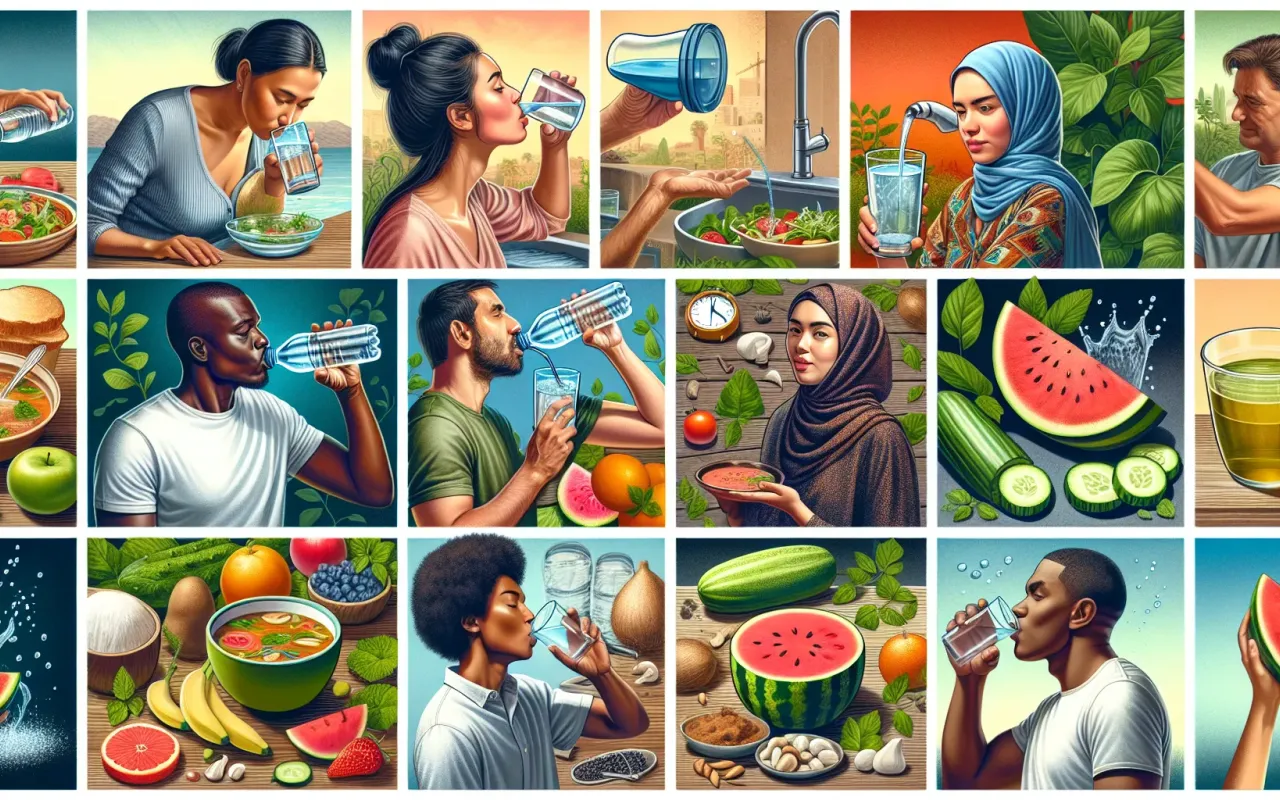
Effective strategies for managing thirst while on a low-sodium diet. Learn how to stay hydrated and maintain your health with these expert tips.
- October 21, 2024
Keeping hydrated is essential for overall health, but managing thirst while on a low-sodium diet can pose unique challenges. Low sodium diets are often necessary for managing various health conditions such as hypertension, kidney disease, and heart failure. These conditions require careful monitoring of sodium intake, which can sometimes lead to increased thirst. This article explores effective strategies for staying hydrated without compromising your health.
Understanding Thirst and Sodium Balance
Thirst is a natural mechanism our bodies use to signal that fluids are needed. Sodium plays a crucial role in regulating blood volume, blood pressure, and the balance of fluids in the body. When you reduce your sodium intake, the balance between salt and water in your body can become disrupted, which may trigger increased thirst. Hence, understanding the relationship between sodium and hydration is vital for effectively managing your diet.
The Role of Sodium in Hydration
Sodium helps maintain the extracellular fluid balance and is a key player in nerve function and muscle contraction. When sodium intake is reduced, the body may attempt to conserve water, leading to more frequent signals of thirst. However, drinking water excessively without sufficient sodium can lead to dilutional hyponatremia, which is where the sodium levels in the blood become dangerously low.
Consequences of Low Sodium Intake
Following a low-sodium diet is crucial for those with certain health conditions; however, it's essential to manage it properly to avoid the risk of dehydration and other health issues. Consuming too little sodium can lead to symptoms like headaches, nausea, fatigue, and muscle cramps, further emphasizing the need for effective strategies to stay hydrated.
Effective Strategies for Managing Thirst on a Low-Sodium Diet
Managing thirst while maintaining a low-sodium diet requires a balanced approach. Here are some proven strategies to help you stay hydrated:
1. Monitor Fluid Intake
It's crucial to drink water regularly throughout the day but avoid overhydration. Consuming water in small amounts frequently can help maintain fluid balance without overwhelming your system. Aim for 8-10 glasses of water daily, adjusting for your specific health needs and activity level.
2. Infuse Your Water
Infusing water with natural flavors like lemon, cucumber, or mint can make it more palatable and encourage regular intake. These natural additives do not add sodium and can provide a refreshing taste, helping you stay hydrated without the need for high-sodium beverages.
3. Consume Water-Rich Foods
Incorporating water-rich foods such as cucumbers, watermelon, strawberries, and lettuce into your diet can contribute to your overall hydration. These foods have high water content and can help you stay hydrated while providing essential nutrients.
4. Use Electrolyte Replacements
Electrolyte-replenishing drinks and supplements are available that are low in sodium but still provide the necessary balance to keep you hydrated. Look for products specifically formulated for low-sodium diets. Consult with a healthcare professional before incorporating any electrolyte supplements into your routine.
5. Balance Potassium Intake
Potassium can help counterbalance the effects of sodium and is vital for hydration and muscle function. Include potassium-rich foods like bananas, oranges, and sweet potatoes in your diet to support overall hydration and health.
6. Avoid Diuretics
Diuretics like caffeine and alcohol can lead to increased fluid loss through urine. While moderate consumption is generally okay, excessive intake can exacerbate dehydration. Be mindful of your intake of coffee, tea, and alcoholic beverages to avoid unnecessary fluid loss.
Practical Tips for Everyday Hydration
In addition to the aforementioned strategies, here are some practical tips to help you stay consistently hydrated on a low-sodium diet:
- Set Hydration Reminders: Use alarms or mobile apps to remind you to drink water at regular intervals throughout the day.
- Carry a Water Bottle: Keep a refillable water bottle with you to ensure you have access to water at all times.
- Track Your Intake: Maintaining a daily log of your fluid intake can help you stay on track and identify patterns that need adjustment.
- Listen to Your Body: Pay attention to signs of thirst and respond promptly to avoid dehydration.
- Stay Cool: In hot weather, stay indoors during peak heat hours or use fans and air conditioning to minimize fluid loss through sweating.
Consulting with Healthcare Professionals
Managing thirst and hydration on a low-sodium diet can be challenging, but you don't have to do it alone. Regular consultations with healthcare professionals such as dietitians, nutritionists, and physicians can provide personalized advice and monitoring to ensure you’re meeting your nutritional and hydration needs effectively.
Collaborate on a Hydration Plan
Work with your healthcare team to develop a tailored hydration plan that fits your specific health requirements and lifestyle. They can help you balance fluid intake and sodium levels while addressing any medical conditions you may have.
Review Medications
Some medications can influence sodium and fluid balance. Make sure to review all medications with your healthcare provider to understand their impact on your hydration needs.
Regular Health Check-Ups
Routine monitoring of blood sodium levels, kidney function, and overall health is essential for those on a low-sodium diet. Regular check-ups allow for timely adjustments to your diet and hydration strategy based on your current health status.
Summary
Managing thirst while on a low-sodium diet requires a strategic and informed approach to ensure proper hydration without compromising your health. By understanding the relationship between sodium and hydration, implementing effective strategies, and consulting with healthcare professionals, you can maintain optimal hydration and overall well-being. Remember, staying hydrated is a continuous effort that requires mindful practices tailored to your individual needs.