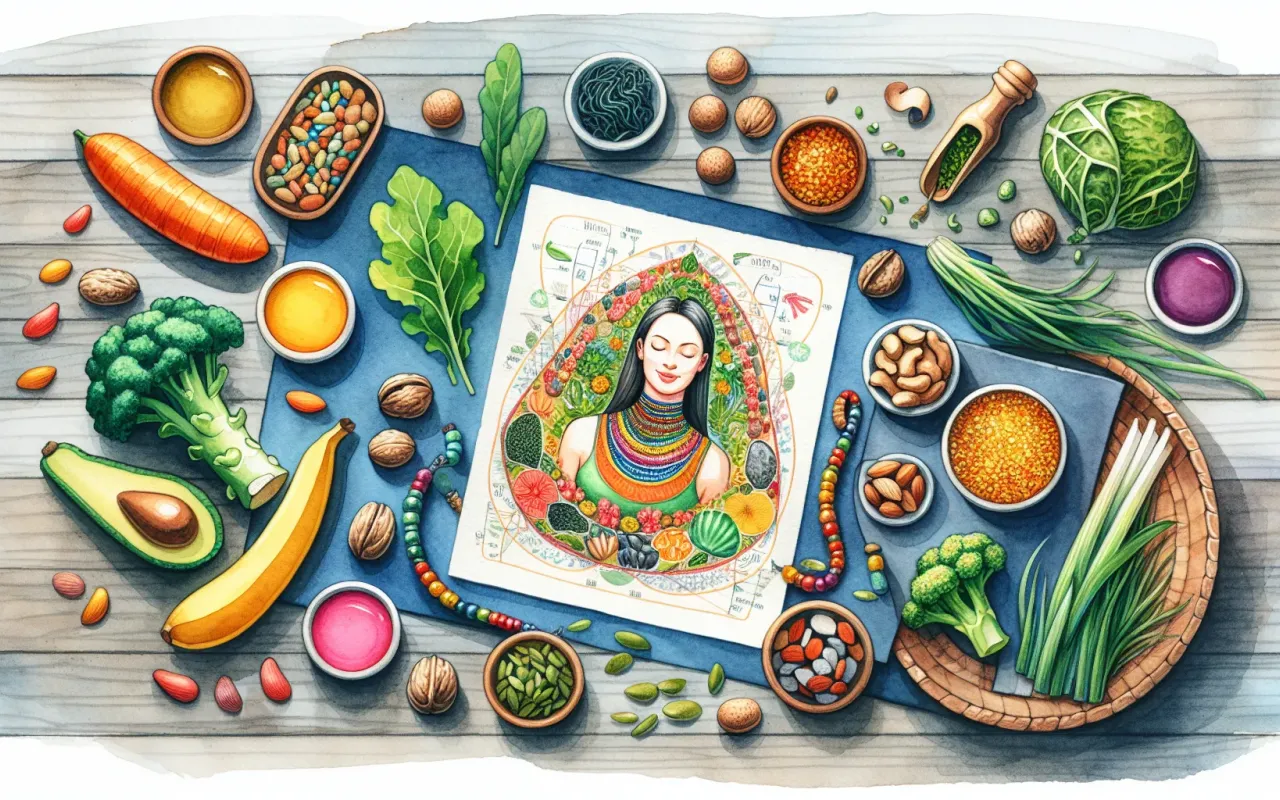
Discover an Ayurvedic diet for hypothyroidism that includes specific foods and practical tips to boost your thyroid health naturally.
- October 21, 2024
Hypothyroidism, a condition where the thyroid gland underperforms, can be managed effectively through diet and lifestyle changes. Ayurveda, an ancient system of natural healing, offers comprehensive dietary guidelines to support thyroid function. This article explores an Ayurvedic diet for hypothyroidism, highlighting beneficial foods and practical tips to enhance your thyroid health.
Understanding Hypothyroidism in Ayurveda
In Ayurveda, hypothyroidism is often linked to an imbalance in the Kapha and Vata doshas. The Kapha dosha is associated with sluggishness and heaviness, while Vata governs movement and metabolism. When these doshas are imbalanced, it can lead to a sluggish thyroid. Ayurvedic principles aim to restore balance through targeted diet, lifestyle modifications, and herbal remedies.
Key Principles of an Ayurvedic Diet for Hypothyroidism
1. Favor Warm and Easily Digestible Foods
Individuals with hypothyroidism often experience sluggish digestion. Consuming warm, cooked foods that are easy to digest can aid in better nutrient absorption and stimulate digestive fire (Agni). Examples include warm soups, stews, and cooked vegetables.
2. Include Iodine-Rich Foods
Iodine is crucial for thyroid function. Ayurvedic diets emphasize natural sources of iodine, such as seaweed, fish, dairy products, and eggs. However, it’s important to consume these in moderation and consult with a healthcare provider for personalized advice.
3. Incorporate Anti-Inflammatory Spices
Spices like turmeric, ginger, and cumin are not only flavorful but also possess anti-inflammatory properties. These spices help in reducing inflammation and supporting overall thyroid health.
4. Limit Goitrogenic Foods
Goitrogens are substances that can interfere with thyroid function. Foods like cabbage, broccoli, and cauliflower contain goitrogens and should be consumed in moderation. Cooking these vegetables can reduce their goitrogenic effects.
5. Stay Hydrated
Adequate hydration is essential for overall health, including thyroid function. Ayurveda recommends warm or room temperature water infused with herbs like ginger or fennel to support digestion and hydration.
Beneficial Foods to Include in an Ayurvedic Diet for Hypothyroidism
1. Nuts and Seeds
Nuts like almonds and seeds such as flax and chia seeds are rich in healthy fats, vitamins, and minerals that support thyroid function. They are excellent sources of selenium, which is important for thyroid health.
2. Whole Grains
Whole grains such as quinoa, brown rice, and oats provide essential nutrients and sustained energy. They help maintain balanced blood sugar levels, which is crucial for thyroid health.
3. Fresh Fruits and Vegetables
Fruits like berries, apples, and pears, along with vegetables like carrots and leafy greens, are packed with antioxidants and vitamins. They help in reducing oxidative stress and supporting overall thyroid function.
4. Herbal Teas
Herbal teas such as ashwagandha, chamomile, and tulsi (holy basil) can be beneficial for hypothyroidism. These herbs have adaptogenic properties that help in managing stress and improving thyroid function.
Practical Tips for Managing Hypothyroidism with an Ayurvedic Diet
1. Regular Meal Times
Maintaining regular meal times helps in regulating metabolism. Ayurveda emphasizes the importance of eating at consistent times each day to support digestive health and overall well-being.
2. Practice Mindful Eating
Mindful eating involves paying attention to the food you eat, savoring each bite, and avoiding distractions like phone or TV during meals. This practice aids in better digestion and absorption of nutrients.
3. Manage Stress
Stress can negatively impact thyroid function. Incorporating stress-relieving practices such as yoga, meditation, and pranayama (breathing exercises) can be beneficial for managing hypothyroidism.
4. Regular Physical Activity
Engaging in regular physical activity helps in improving metabolism and overall energy levels. Activities like walking, swimming, and yoga are particularly beneficial for individuals with hypothyroidism.
Conclusion
An Ayurvedic diet for hypothyroidism focuses on balancing the doshas and supporting overall thyroid health through mindful eating and lifestyle practices. By incorporating warm, easily digestible foods, avoiding goitrogenic substances, and embracing stress management techniques, you can manage hypothyroidism effectively. Always consult with a healthcare provider or an Ayurvedic practitioner for personalized advice and to ensure the best outcomes for your health.