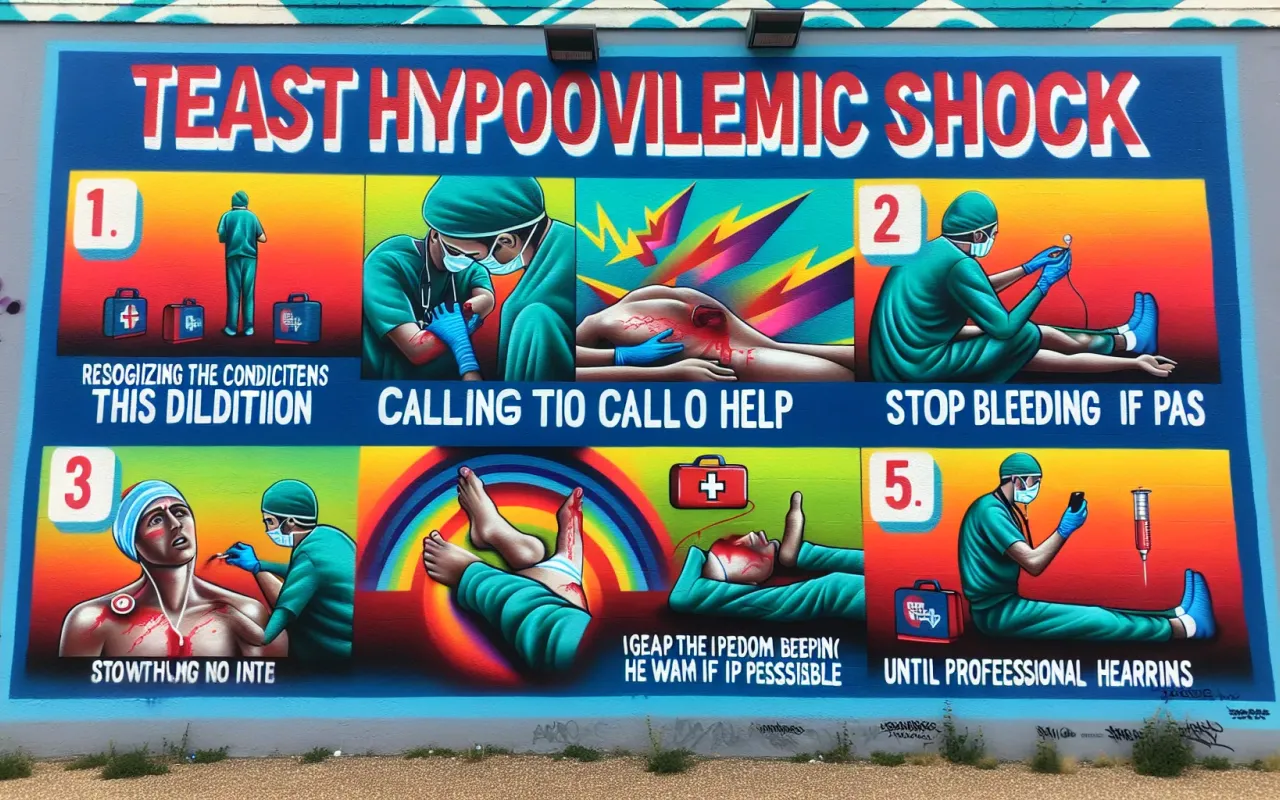
Learn how to treat hypovolemic shock in first aid with this comprehensive step-by-step guide, covering immediate actions, recognizing symptoms, and essential tips.
- October 19, 2024
AceShowbiz - Hypovolemic shock is a life-threatening condition that occurs when a significant loss of blood or fluids causes the heart to struggle in pumping sufficient blood to the body. This guide aims to provide a clear, step-by-step approach on how to treat hypovolemic shock in first aid, ensuring you're prepared to act swiftly and effectively in emergencies.
Understanding Hypovolemic Shock
To effectively treat hypovolemic shock, it's crucial to understand what it is and what causes it. Hypovolemic shock, also known as hemorrhagic shock, involves a severe drop in blood volume due to bleeding (internal or external) or fluid loss (e.g., from severe burns, diarrhea, or vomiting). This drop leads to inadequate blood flow to tissues and organs, risking organ failure and death.
Causes of Hypovolemic Shock
- Severe bleeding from traumatic injuries (e.g., car accidents, deep cuts)
- Internal bleeding (e.g., from ulcers, aneurysms)
- Significant fluid loss due to burns
- Severe dehydration from vomiting or diarrhea
Symptoms of Hypovolemic Shock
Recognizing the symptoms of hypovolemic shock is pivotal for timely intervention. Symptoms include:
- Rapid heartbeat
- Weak pulse
- Cool, clammy skin
- Rapid breathing
- Confusion or disorientation
- Low blood pressure
- Decreased or no urine output
- Dizziness or fainting
First Aid Steps for Treating Hypovolemic Shock
1. Call for Emergency Help
Hypovolemic shock is a medical emergency. The first step is to call emergency services immediately if you suspect someone is going into shock. Provide as much information as possible about the victim’s condition and the nature of the incident.
2. Lay the Person Down
Help the victim lie down on their back to improve blood flow to the organs. If possible, elevate their legs about 12 inches unless this causes pain or potential harm, as in cases of suspected spinal injury.
3. Control Bleeding
If bleeding is visible, apply direct pressure to the wound using a clean cloth or bandage. If available, use sterile gauze. Maintain pressure to stop the bleeding while awaiting the arrival of emergency services.
4. Keep the Person Warm
Cover the individual with a blanket or jacket to maintain body warmth. Hypovolemic shock can cause the body temperature to drop rapidly, exacerbating the condition.
5. Monitor Vital Signs
Regularly check the person’s breathing, pulse, and level of consciousness. Watch for any changes, and be ready to provide updated information to emergency responders upon their arrival.
6. Avoid Giving Food or Drink
Do not offer the person any food or drinks, as this can lead to complications. Only trained medical professionals should administer fluids intravenously in such scenarios.
7. Position for Comfort
If the individual appears to be more comfortable in another position (aside from lying flat), allow them to stay in that position, provided it does not obstruct blood flow or breathing.
Special Considerations
Treating Internal Bleeding
For suspected internal bleeding (e.g., abdominal injuries), avoid over-manipulating the person and keep them as still as possible. Internal bleeding requires urgent medical attention, and first aid treatment is limited to controlling external factors and monitoring the individual until help arrives.
Handling Dehydration
If the hypovolemic shock is due to severe dehydration from diarrhea or vomiting, prompt medical intervention is crucial. First responders may provide intravenous fluids to restore fluid balance, but this should not be attempted by untrained individuals.
Preventive Measures
Safety Precautions
To reduce the risk of hypovolemic shock, consider the following preventive measures:
- Wear seat belts and use proper child restraints in vehicles
- Use protective gear during high-risk activities (e.g., helmets, padding)
- Maintain a safe environment to prevent falls and injuries
- Stay hydrated, especially during physical activities or hot weather
- Recognize the signs of severe diarrhea or vomiting and seek medical attention promptly
Emergency Training
Consider enrolling in first aid and CPR training programs. Being knowledgeable about life-saving techniques can make the difference in critical situations and potentially save lives.
Conclusion
Understanding how to treat hypovolemic shock in first aid is crucial for effective and immediate intervention in critical situations. By recognizing the symptoms and taking the necessary first aid steps, you can significantly impact the outcome until professional medical help arrives. Always be prepared, stay calm, and prioritize safety and quick action to ensure the best possible care for those experiencing hypovolemic shock.