Discover 10 effective tips on how to use reflexology for migraines relief. Learn expert techniques to alleviate migraine pain naturally.
- October 17, 2024
AceShowbiz - Migraines can be debilitating, disrupting your daily life and leaving you in pain. While there are various treatments available, reflexology offers a natural and holistic approach to relief. In this article, we'll explore how to use reflexology for migraines and provide 10 expert tips to help you manage and reduce migraine symptoms effectively.
1. Understand the Basics of Reflexology
Reflexology is a therapeutic method that involves applying pressure to specific points on the feet, hands, and ears. These points correspond to different organs and systems in the body. The goal is to stimulate the body's natural healing processes and promote overall wellness. By learning how to use reflexology for migraines, you can potentially find relief from persistent headache pain.
2. Identify Key Reflex Points for Migraines
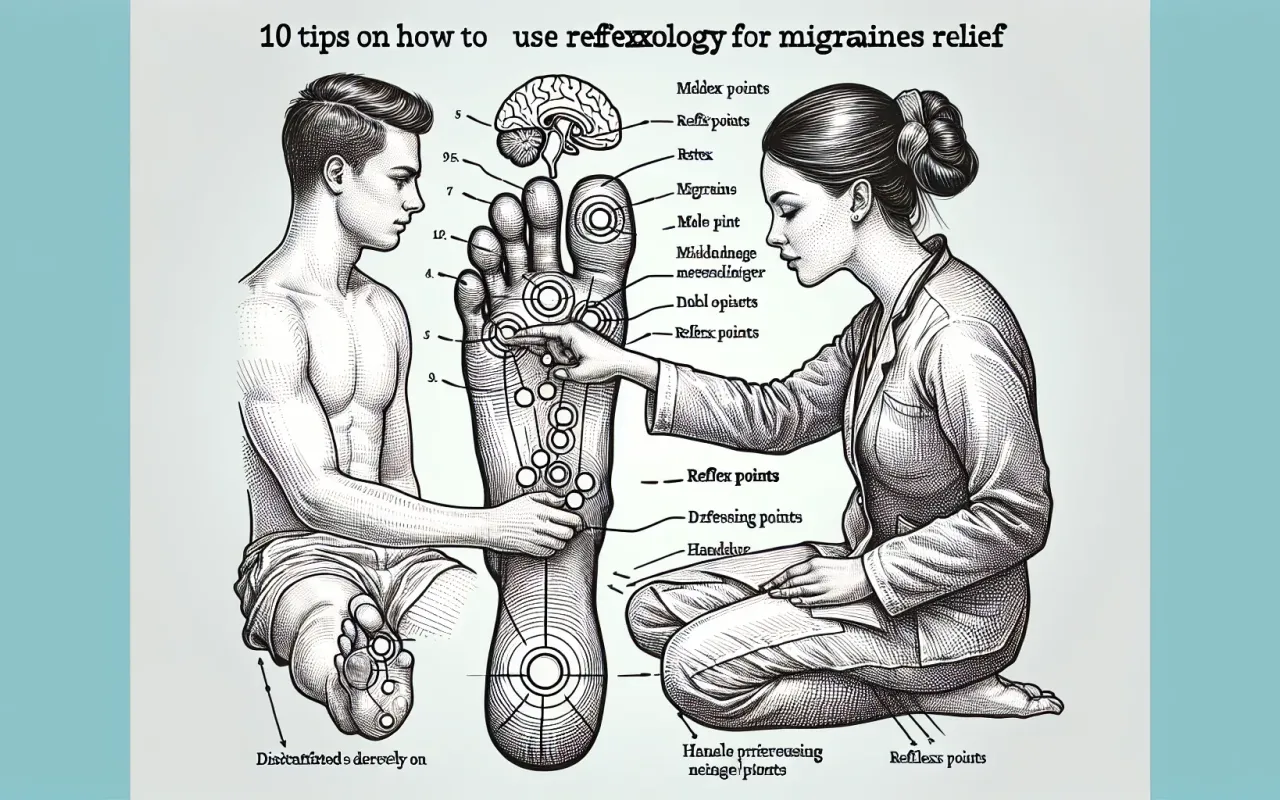
Knowing the right reflex points is crucial. For migraines, the main points to focus on are:
- Big Toe: This point is related to the head and brain, stimulating it can help relieve migraine pain.
- Base of the Second and Third Toes: These points also correspond to the head and neck.
- Inner Edge of the Foot: This area relates to the spine and can help reduce tension headaches.
3. Use Proper Techniques
Applying the correct technique is essential. Use your thumb and fingers to apply firm, gentle pressure to the identified reflex points. Rotate in a circular motion or press and hold for 5-10 seconds. Consistency is key, so practice these techniques regularly to see results.
4. Create a Relaxing Environment
Reflexology is most effective when performed in a calm and relaxed setting. Dim the lights, play soothing music, and ensure you're in a comfortable position. This environment can help you achieve better results by reducing overall stress levels, which are often a migraine trigger.
5. Combine Reflexology with Deep Breathing
Integrate deep breathing exercises while performing reflexology. This can enhance the overall relaxation experience and potentially increase the effectiveness of the treatment. Inhale deeply through your nose and exhale slowly through your mouth to help calm your nervous system.
6. Hydrate Before and After Sessions
Staying hydrated is vital. Drinking water before and after a reflexology session can help flush out toxins and promote better circulation, which may contribute to migraine relief.
7. Keep a Regular Schedule
Consistency is important in reflexology. Establishing a regular schedule for your sessions can maximize the benefits. Aim for at least a few sessions per week to start, then adjust based on your body's response.
8. Monitor Your Progress
Keep track of your sessions and migraine occurrences in a journal. Note any changes in frequency, intensity, and duration of your migraines. This can help you determine the effectiveness of reflexology over time and make necessary adjustments to your approach.
9. Consider Professional Guidance
If you're new to reflexology or find self-application challenging, consider seeking help from a certified reflexologist. They can provide personalized guidance and techniques tailored to your needs, ensuring you get the most out of your sessions.
10. Complement with Other Natural Remedies
Reflexology can be part of a broader approach to migraine management. Complement it with other natural remedies such as aromatherapy, acupuncture, and a balanced diet to enhance overall wellbeing and potentially reduce migraine occurrences.
Conclusion
Migraines are challenging, but reflexology offers a promising, natural way to find relief. By understanding how to use reflexology for migraines and applying these 10 tips, you can take proactive steps toward managing your migraine symptoms effectively. Always remember to consult with a healthcare provider before starting any new treatment regimen to ensure safety and suitability for your individual health needs.