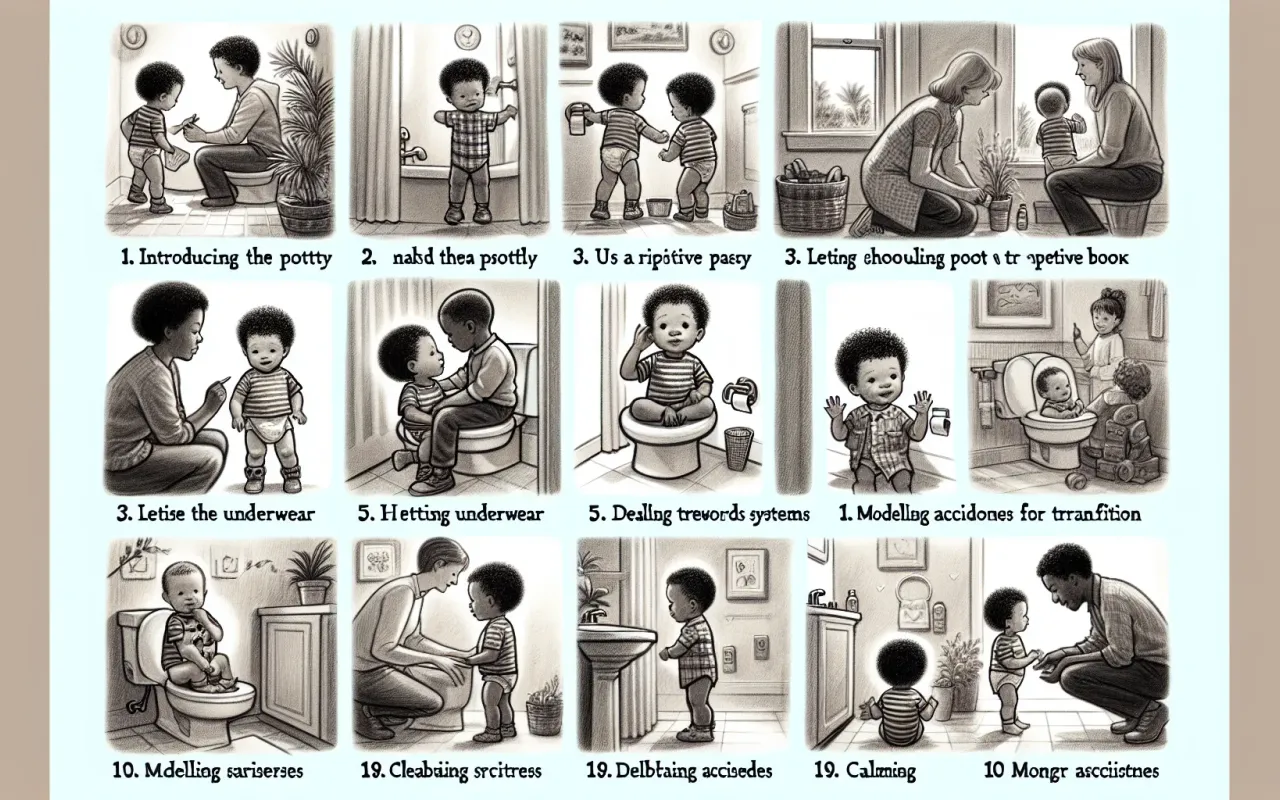
Discover essential potty training tips for toddlers to make the process easier. Learn effective strategies to achieve successful toddler potty training.
- October 17, 2024
AceShowbiz - Potty training can be a daunting process for both parents and toddlers. However, with the right strategies and a patient approach, it can become a successful and even enjoyable milestone. Below, we provide ten essential potty training tips for toddlers that can make this journey smoother for everyone involved.
1. Assess Readiness
Every child is different, and there is no one-size-fits-all age for potty training. Key readiness signs include showing interest in using the toilet, staying dry for longer periods, and being able to follow simple instructions. Long-tail keywords to consider: "signs a toddler is ready for potty training," "assessing toddler readiness for toilet training."
2. Choose the Right Potty
A comfortable and appealing potty can make a big difference. Some children prefer a standalone potty chair, while others might feel more comfortable with a potty seat that fits onto the regular toilet. Take your toddler's preference into account to ensure they are comfortable and willing to use it.
3. Create a Routine
Consistency is crucial in potty training. Establish a regular schedule by encouraging your toddler to sit on the potty at consistent times each day, such as after meals or before bedtime. Keeping a routine helps toddlers understand and anticipate when it's time to use the potty.
4. Use Positive Reinforcement
Celebrate successes with praise and rewards. This could be verbal affirmation, stickers, or a small toy. The goal is to make your toddler feel proud of their achievements, which encourages them to keep trying. Avoid punishments or negative reinforcements, as they can cause anxiety and setbacks.
5. Lead by Example
Toddlers often learn by watching others. If possible, let them observe older siblings or trusted adults using the toilet. Explain the process in simple terms to demystify it. This observational learning can make potty training seem less intimidating.
6. Dress for Success
Opt for easy-to-remove clothing, such as pants with elastic waistbands. Complicated fastenings can cause frustration and accidents. Allowing your toddler to practice pulling clothes up and down will help them gain independence in using the potty.
7. Handle Accidents Gracefully
Accidents are a natural part of potty training. Respond calmly and without anger. Reassure your toddler that accidents happen and encourage them to try again. This helps to maintain their confidence and reduces feelings of shame or guilt.
8. Nighttime Training
Nighttime potty training usually takes longer than daytime training. Keep your toddler in a diaper or training pants at night until they consistently wake up dry. Using a waterproof mattress protector can also help manage accidents without causing too much disruption.
9. Be Patient and Flexible
Be prepared for setbacks and understand that regression is common, especially during times of stress or change. Patience and consistency are key, and always remain flexible to adapt to your toddler's pace and needs.
10. Seek Professional Advice if Needed
If potty training is causing significant stress or if there are underlying medical issues, don't hesitate to seek advice from a pediatrician or a child psychologist. They can provide expert guidance and reassure you about the normal ranges of potty training behaviors.
Conclusion
Potty training is a significant developmental milestone for toddlers, and it requires patience, consistency, and encouragement. By following these ten potty training tips for toddlers, you can make the process easier and more effective. Remember, every child is unique, so tailor your approach to fit your toddler's specific needs and readiness.