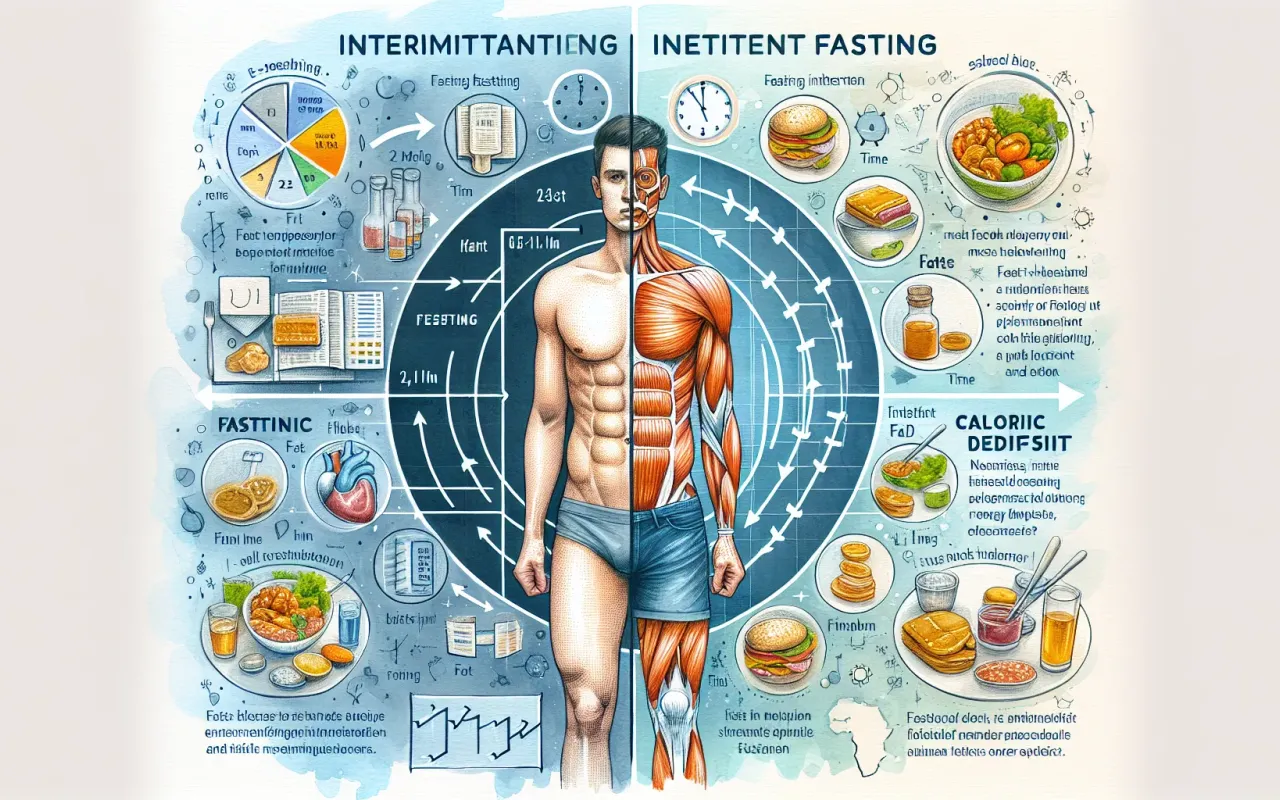
Learn how intermittent fasting burns fat, the science behind this trend, and its benefits for weight loss. Dive into a comprehensive, well-researched article on intermittent fasting.
- October 17, 2024
Intermittent fasting has surged in popularity as a weight loss strategy, but how exactly does it work? What is the science behind its effectiveness in burning fat? This article aims to explore these questions in detail, offering a comprehensive understanding of what intermittent fasting is, how it impacts the body, and its potential benefits for weight loss.
What is Intermittent Fasting?
Intermittent fasting (IF) is an eating pattern that cycles between periods of fasting and eating. Unlike traditional diets, it does not specify which foods to eat but instead focuses on when you should eat them. Common methods include the 16/8 method (fasting for 16 hours and eating within an 8-hour window), the 5:2 diet (eating normally for 5 days and drastically reducing calories for 2 days), and the Eat-Stop-Eat approach (24-hour fasts once or twice a week).
How Does Intermittent Fasting Burn Fat?
Hormonal Changes
One of the primary ways intermittent fasting helps burn fat is through hormonal changes. When you fast, several things happen on the molecular level:
- Insulin Levels: Your blood insulin levels drop, leading to fat cells releasing stored glucose as a primary energy source.
- Human Growth Hormone (HGH): Levels of growth hormone can increase, stimulating muscle growth and fat loss.
- Norepinephrine: This hormone increases, sending signals to fat cells to break down fat and use it for energy.
Cellular Repair Processes
Fasting triggers autophagy, a process in which cells start to clean out damaged components. This promotes cellular health and can aid in weight loss and fat burning.
Increased Metabolic Rate
Short-term fasting has been found to increase your metabolic rate by 3.6-14%, helping you burn more calories, although this effect may vary from person to person.
Benefits of Intermittent Fasting for Fat Loss
Beyond hormonal changes, intermittent fasting offers several benefits that can aid in fat loss:
Caloric Restriction
By limiting the hours you eat, intermittent fasting can naturally decrease your calorie intake without requiring constant monitoring and calorie counting.
Improved Insulin Sensitivity
Enhanced insulin sensitivity means your body uses glucose more effectively, contributing to lower overall body fat.
Enhanced Fat Oxidation
During fasting, the body shifts from burning carbohydrates to burning fat as its primary fuel source, leading to increased fat loss over time.
Reduction in Inflammation
Intermittent fasting can reduce markers of inflammation, which is often linked with higher levels of fat storage and obesity.
Potential Risks and Considerations
While intermittent fasting can be effective, it is not without its risks and considerations. It’s essential to consult with a healthcare provider before starting any new dietary regimen, especially if you have underlying health conditions.
Possible side effects include dehydration, nutritional deficiencies, and a negative impact on mental well-being for some individuals. Careful planning and a balanced diet are crucial to minimize these risks.
Conclusion
Intermittent fasting is a powerful tool for fat loss, primarily through its ability to induce beneficial hormonal changes, increase metabolic rate, and enhance cellular repair processes. Although it may not be suitable for everyone, when done correctly and safely, it offers numerous advantages for those looking to burn fat and improve overall health. Always consult with a healthcare provider to ensure it’s the right fit for you.