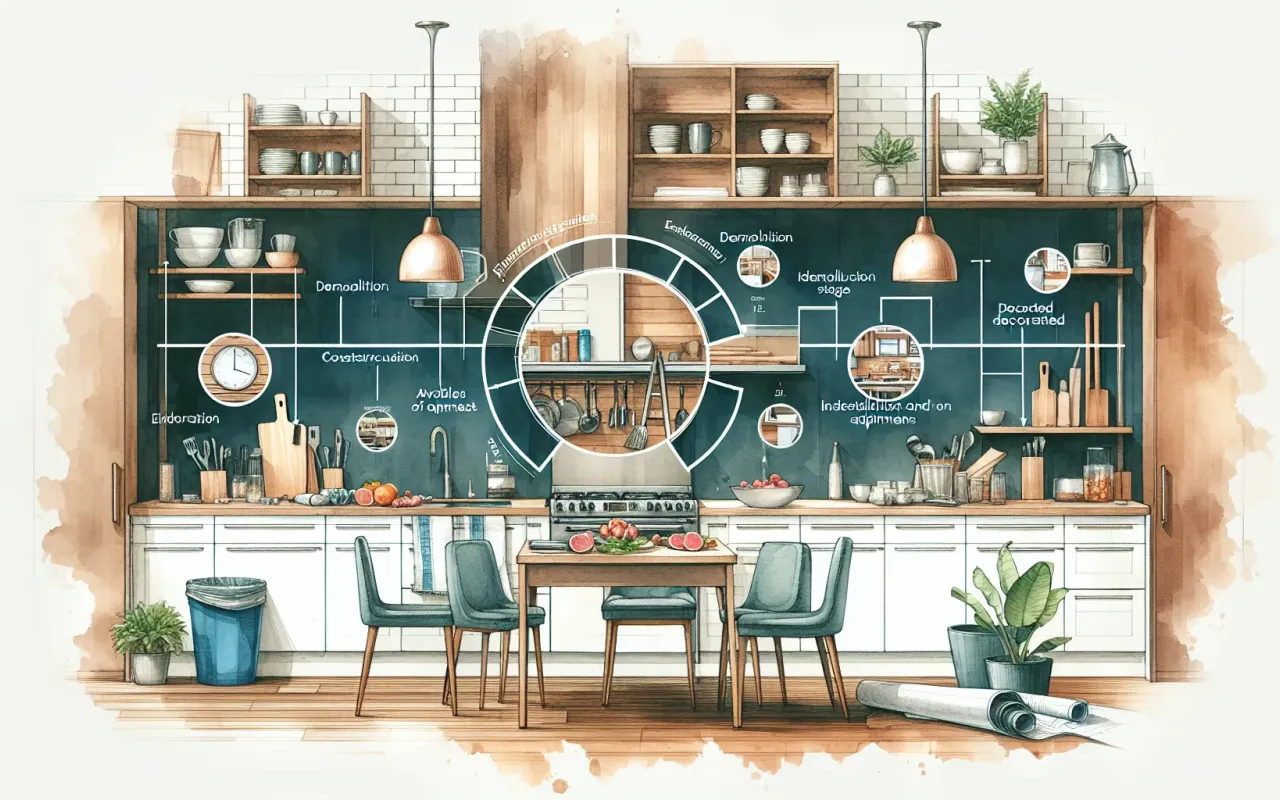
Discover a comprehensive guide to understanding the average kitchen remodel timeline, covering essential steps, factors influencing duration, and tips for efficiency.
- October 17, 2024
AceShowbiz - Planning a kitchen remodel is an exciting yet complex process that requires careful consideration of several factors, not least of which is the timeline. Understanding the average kitchen remodel timeline can help you plan more effectively and set realistic expectations for the project. This guide will walk you through the various stages of a kitchen remodel, factors that can influence the duration, and tips for ensuring a smooth and efficient renovation.
Introduction to Kitchen Remodel Timeline
The kitchen is often considered the heart of the home, and a remodel can breathe new life into this essential space. However, without proper planning, what should be an exciting transformation can quickly become a stressful project. The average kitchen remodel timeline varies based on the scope of work, kitchen size, material availability, and other factors. Generally, a kitchen remodel can take anywhere from a few weeks to several months.
Stages of a Kitchen Remodel
1. Planning and Design (2-8 Weeks)
Planning and design lay the foundation for a successful remodel. During this stage:
- Consult with designers and contractors to discuss your vision.
- Create a detailed design plan, including layout, materials, and appliances.
- Obtain necessary permits and approvals from local authorities.
- Order materials and appliances.
This phase can take anywhere from 2 to 8 weeks, depending on the complexity of your design and the availability of materials.
2. Demolition and Prep Work (1-2 Weeks)
Once the design is finalized and materials are ordered, the next step is demolition and preparation:
- Remove existing cabinets, countertops, appliances, flooring, and fixtures.
- Address any structural changes or necessary repairs.
- Prepare the space for new construction, including plumbing and electrical work.
This stage typically takes 1 to 2 weeks, depending on the extent of the demolition and the scope of the prep work required.
3. Installation (4-8 Weeks)
The installation phase is where your new kitchen starts to take shape:
- Install new cabinets and countertops.
- Install appliances and fixtures.
- Complete plumbing and electrical work.
- Finish with flooring, backsplashes, and painting.
This process can take between 4 and 8 weeks, contingent on the project's complexity and whether any unforeseen issues arise.
4. Final Touches and Inspection (1-2 Weeks)
The final stage includes:
- Touching up paint and finish details.
- Ensuring all appliances and fixtures are properly installed and functional.
- Conducting final inspections to ensure everything is up to code.
- Cleaning up the space for its grand reveal.
This stage generally requires 1 to 2 weeks to wrap up.
Factors Affecting Kitchen Remodel Timeline
1. Size and Complexity
A small kitchen with a straightforward design will naturally take less time to remodel than a large, complex kitchen with custom features and extensive upgrades.
2. Material and Appliance Availability
The availability of materials and appliances can significantly impact the timeline. Custom cabinets or special-order items may take several weeks or even months to arrive.
3. Permits and Approvals
Obtaining necessary permits and approvals can be a time-consuming process, especially in areas with strict building codes and regulations.
4. Contractor Scheduling
High-demand contractors may have limited availability, which can delay the start or progress of your remodel. Ensure you book your contractor well in advance to avoid scheduling conflicts.
5. Unforeseen Issues
Unanticipated issues, such as plumbing or electrical problems, structural damage, or supply chain delays, can add unexpected time to your kitchen remodel.
Tips for a Smooth Kitchen Remodel
1. Plan Thoroughly
Ensure you have a detailed plan and timeline in place before starting your remodel. This will help streamline the process and minimize delays.
2. Choose Reputable Contractors
Hiring experienced and reliable contractors is crucial for a successful remodel. Research and vet contractors thoroughly to ensure they can meet your timeline and quality expectations.
3. Stay Flexible
While it's important to have a timeline, be prepared for changes and setbacks. Flexibility and patience can go a long way in managing the remodel process.
4. Communicate Diligently
Maintain open and frequent communication with your contractors and designers to address any issues promptly and keep the project on track.
5. Budget for Contingencies
Allocate extra time and money for unforeseen issues that may arise during the remodel. This can help alleviate stress and keep the project moving forward smoothly.
Conclusion
Understanding the average kitchen remodel timeline is essential for effective planning and execution. By breaking down the various stages, acknowledging factors that can influence the duration, and implementing tips for a smooth remodel, you can transform your kitchen with confidence and ease. Remember, thorough planning, flexibility, and continuous communication with your contractors will significantly contribute to a successful and timely kitchen remodel.