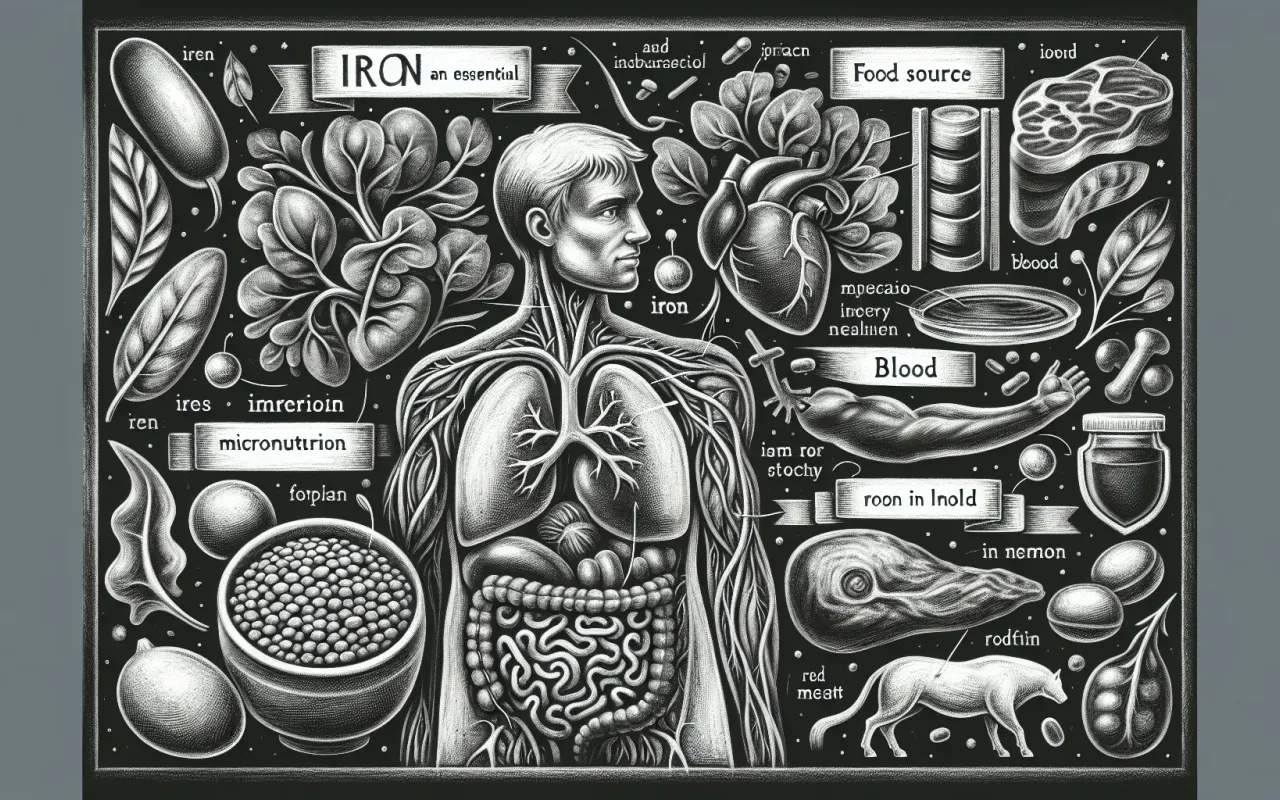
Discover the significance of iron as a crucial micronutrient for your health. Learn about its benefits, sources, and how to maintain an optimal intake.
- October 14, 2024
Iron is a fundamental component of our nutritional requirements, playing a pivotal role in maintaining overall health and well-being. While often overshadowed by macronutrients like carbohydrates, proteins, and fats, micronutrients such as iron are equally essential. This article explores the importance of iron in micronutrients, shedding light on its numerous health benefits, the best dietary sources, and tips for ensuring adequate iron intake.
The Role of Iron in the Body
Iron is an essential trace element that is integral to several bodily functions. Primarily, it is a key component of hemoglobin, the protein in red blood cells responsible for transporting oxygen from the lungs to the rest of the body. Additionally, iron serves as a crucial element in myoglobin, a protein that provides oxygen to muscles, and it supports various metabolic processes including energy production and DNA synthesis.
Hemoglobin and Oxygen Transport
Without adequate iron, the body cannot produce sufficient hemoglobin. This deficiency can lead to anemia, characterized by fatigue, weakness, and shortness of breath due to reduced oxygen delivery to tissues. Understanding the importance of iron in micronutrients is crucial for preventing such conditions and ensuring optimal oxygenation of the body.
Immune Function
Iron also supports the immune system, enabling it to combat infections effectively. Iron deficiency can impair immune responses, making individuals more susceptible to illnesses. Maintaining appropriate iron levels plays a vital role in sustaining a robust immune system.
Cognitive Function and Development
Iron is essential for brain health, influencing cognitive function, learning, and memory. It is particularly important for children and adolescents, as inadequate iron intake can impact brain development and lead to cognitive deficits.
Sources of Dietary Iron
Dietary iron is available in two forms: heme and non-heme iron. Heme iron, derived from animal sources, is more readily absorbed by the body, whereas non-heme iron, found in plant-based foods, is less efficiently absorbed.
Heme Iron Sources
- Red meat (beef, lamb, pork)
- Poultry (chicken, turkey)
- Fish and seafood (salmon, tuna, clams, oysters)
- Organ meats (liver, heart)
Non-Heme Iron Sources
- Legumes (beans, lentils, chickpeas)
- Leafy greens (spinach, kale)
- Nuts and seeds (pumpkin seeds, almonds)
- Fortified cereals and grains
- Tofu and other soy products
Factors Affecting Iron Absorption
Several factors influence the body's ability to absorb iron from dietary sources:
Enhancers of Iron Absorption
Vitamin C, found in fruits and vegetables like oranges, strawberries, and bell peppers, enhances the absorption of non-heme iron. Including vitamin C-rich foods in meals can significantly improve iron uptake.
Inhibitors of Iron Absorption
Some compounds can hinder iron absorption, including phytates in whole grains and legumes, calcium in dairy products, and polyphenols in tea and coffee. Consuming these inhibitors separately from iron-rich meals can help optimize iron absorption.
Recommended Iron Intake
Iron requirements vary based on age, sex, and physiological conditions such as pregnancy. The Recommended Dietary Allowance (RDA) for iron is as follows:
- Infants (7-12 months): 11 mg/day
- Children (1-13 years): 7-10 mg/day
- Adolescent boys (14-18 years): 11 mg/day
- Adolescent girls (14-18 years): 15 mg/day
- Adult men: 8 mg/day
- Adult women (premenopausal): 18 mg/day
- Adult women (postmenopausal): 8 mg/day
- Pregnant women: 27 mg/day
- Breastfeeding women: 9-10 mg/day
Iron Deficiency and its Consequences
Iron deficiency is one of the most common nutritional deficiencies worldwide, with significant health implications:
Iron Deficiency Anemia
This condition arises when iron stores are depleted, leading to reduced production of hemoglobin. Symptoms include fatigue, dizziness, pale skin, and difficulty concentrating.
Impact on Pregnancy and Child Development
Insufficient iron during pregnancy can result in preterm delivery, low birth weight, and developmental delays in infants. Ensuring adequate iron intake is critical for the health of both the mother and the baby.
Reduced Physical Performance
Iron deficiency can impair muscle function and aerobic capacity, leading to diminished physical performance and increased susceptibility to injuries.
Preventing and Treating Iron Deficiency
Addressing iron deficiency involves dietary strategies, supplementation, and lifestyle modifications:
Dietary Strategies
Incorporating iron-rich foods into your diet and pairing them with vitamin C sources can enhance iron absorption. Opting for a balanced diet that includes both heme and non-heme iron sources is crucial.
Iron Supplements
In cases of significant deficiency, healthcare providers may recommend iron supplements. It is important to follow medical advice regarding dosage and duration to avoid potential side effects such as gastrointestinal discomfort.
Conclusion
Recognizing the importance of iron in micronutrients is essential for maintaining optimal health. Iron plays a crucial role in oxygen transport, immune function, and cognitive development. By understanding the sources and factors affecting iron absorption, as well as implementing strategies to prevent and treat iron deficiency, individuals can ensure they meet their body's iron needs. Prioritizing iron intake is a vital step towards achieving overall well-being and preventing the adverse effects of deficiency.