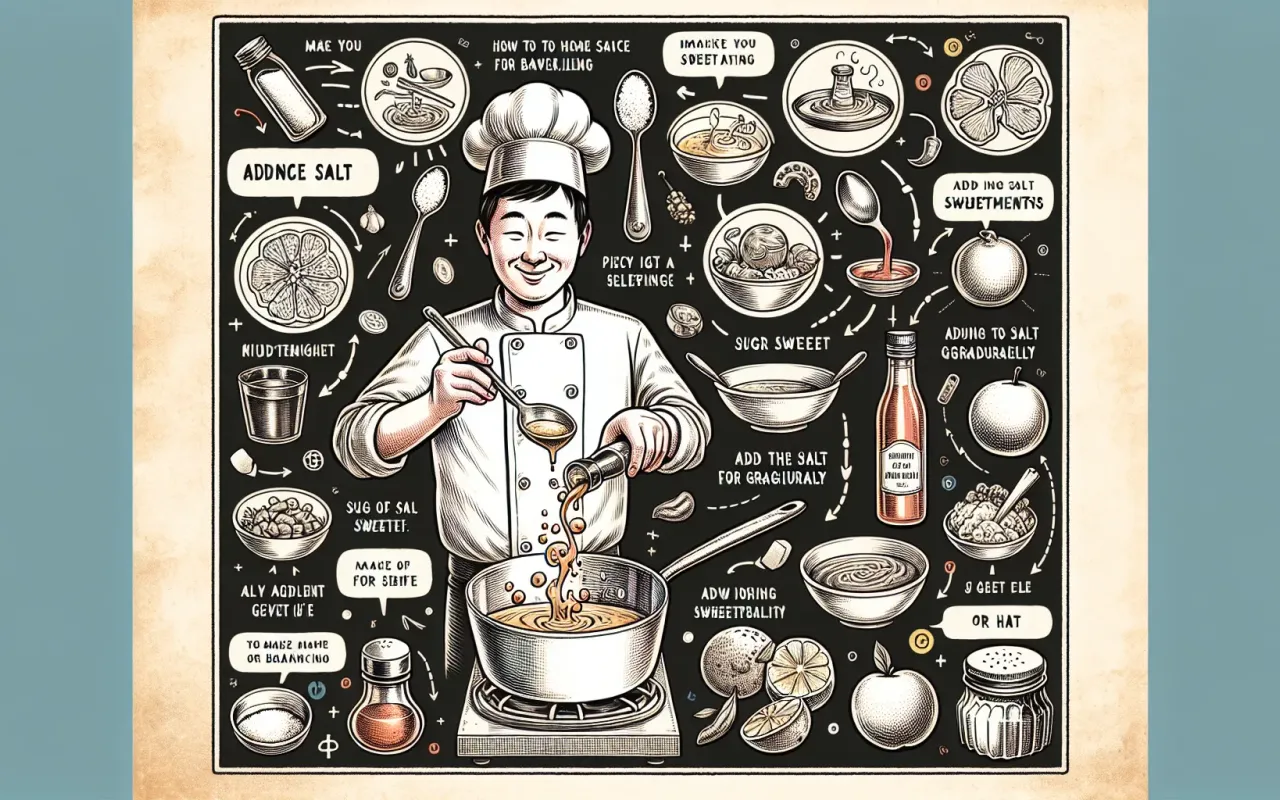
Discover how to balance flavors in homemade sauces with these expert tips. Achieve the perfect taste every time with our comprehensive guide.
- October 11, 2024
Introduction
Creating your own homemade sauces can elevate your cooking to new heights. However, achieving that perfect balance of flavors requires a blend of art and science. Whether you're a novice home cook or an experienced chef, understanding how to balance flavors in homemade sauces is crucial for perfect taste every time. This guide will walk you through the essential tips and techniques to ensure your sauces are always on point.
Understanding the Basic Flavors
When it comes to balancing flavors, it's important to understand the five basic tastes: sweet, salty, sour, bitter, and umami. Each plays a crucial role in how we perceive flavors. Here's a quick rundown:
- Sweet: Adds depth and complexity, often achieved with sugar, honey, or fruits.
- Salty: Enhances and amplifies flavors, commonly from salt or soy sauce.
- Sour: Provides a tangy sharpness, usually from citrus, vinegar, or fermented elements.
- Bitter: Adds complexity and sophistication, typically from dark greens or coffee.
- Umami: Known as the fifth taste, it imparts a savory richness, often from mushrooms, soy sauce, or Parmesan cheese.
Balancing Flavors in Your Sauce
1. Tasting and Adjusting
The most critical aspect of balancing flavors is tasting as you go. Take small samples and identify which elements dominate. Adjust incrementally and taste again. If your sauce is too salty, add a touch of sweetness to counteract it, or if it's too sour, a little bit of sugar can help balance it out.
2. Achieving Sweetness
Sweetness can mellow out acidic or spicy undertones. Common ingredients for adding sweetness include sugar, honey, maple syrup, and even fruits like apples or pineapples. Add these sparingly and taste frequently.
3. Enhancing with Salt
Salt is a flavor enhancer that makes other flavors more pronounced. Be wary of over-salting; it's better to add it in small amounts and build up. Options include sea salt, kosher salt, and seasoned salts.
4. Introducing Sourness
Sourness adds brightness and can cut through rich flavors. Vinegars (balsamic, white wine, apple cider) and citrus juices are great sources. A little goes a long way, so add small amounts to find the right balance.
5. Incorporating Bitterness
Bitterness can add depth and complexity to your sauces. Ingredients like dark leafy greens, coffee, and unsweetened cocoa can add a bitter element. Use sparingly and balance with sweet or sour flavors.
6. Elevating with Umami
The umami taste adds a savory depth. Sources include soy sauce, mushrooms, fish sauce, and aged cheeses. Umami can complement both sweet and salty flavors to create a well-rounded sauce.
Common Sauce-Making Scenarios
Balancing a Tomato-Based Sauce
Tomato sauces often need balancing due to their inherent acidity. Adding a bit of sugar can reduce tartness. Salt enhances the tomato flavor, while a splash of balsamic vinegar can add complexity. Simmering with carrots or bell peppers can also naturally sweeten the sauce.
Perfecting a Cream Sauce
Cream sauces tend to be rich and might need an element of brightness. A squeeze of lemon juice or a splash of white wine can lighten the sauce. Salt and a hint of nutmeg can enhance the cream's natural sweetness.
Creating a Balanced Pesto
Pesto combines fresh herbs with nuts and cheese. Balancing it involves moderating the raw garlic's bitterness and the cheese's saltiness. A bit of lemon juice or zest can add a necessary sharpness, while olive oil provides richness.
Expert Tips for Sauce Perfection
1. Start with a Small Batch
Experiment with small quantities. This allows you to adjust without wasting ingredients. Once you find the perfect balance, you can scale up.
2. Document Your Process
Keep a notebook or a digital log of your sauce experiments. Note down the quantities and the adjustments. This helps replicate success and learn from mistakes.
3. Use Fresh Ingredients
Fresh, high-quality ingredients make a significant impact on the final flavor of your sauce. Opt for seasonal and locally sourced when possible.
4. Mind the Cooking Time
Some flavors develop better with time. Slow-cooked sauces allow flavors to meld, while others might need quick cooking to preserve brightness.
Conclusion
Balancing flavors in homemade sauces is an essential skill that can transform your cooking. By understanding the basic tastes and how they interact, you can create sauces that are complex, nuanced, and perfectly balanced. Taste as you go, adjust incrementally, and don't be afraid to experiment. With these tips, you'll be well on your way to mastering the art of sauce making, delighting your taste buds, and impressing your dinner guests every time.